An historical recreation household centered on the Central Oregon Coast (households are not official groups of the Society for Creative Anachronism and do not represent the views or policies of SCA, Inc. )
Anja and Loren have been busy with their shop this week. Project Day was a relief, although Anja was supposed to be teaching and that didn’t quite work, so the class is rescheduled for April 11.
We’re still trying to figure out in-person things. It’s probably all going to wait until
Filled seamed
everyone’s had their shots.
Potluck this coming week! Whatcha makin’? We’re thinking to try Volker Bach’s pears (below in cookery) along with more usual things.
All meetings are on hold for the moment, although Project Day and the Monthly Potluck are being held in the Virtual Realm. We’re also doing mini-potlucks, just Anja & Loren and one other “pod” at a time. Let us know if you’re interested!
Herb Bunch – At Ancient Light, Saturdays, 11am-1pm
Sewing Time – At Ancient Light, Saturdays, 3-5pm
Project Day – At Ancient Light, Sundays, Noon to 6pm
Cheese and Wine happens irregularly, usually announced with little notice on our Facebook group.
Next Virtual Potluck – 3/21, 4/18, 5/16, 6/20
No Winter Feast in 2021. We’ll revisit for one in 2022 next spring.
Misc – Pillars of the SCA (Vesta’s Song) – Christina Moroney – “This is a song I wrote about Her Awesomeness, the Supreme Shenanigator, Vestia Antonia Aurelia. It is a filk of “Modern Major General” from Pirates of Penzance by Gilbert and Sullivan. Enjoy!”
Kings & Beggars – Vittrad – Kings & Beggars – The girls are dancing norwegian roundelay.
Classes –
The English Reformation – Royal University of the Midrealm – RUM – Dame Elizabeth Alles discusses the English Reformation. Learn the basics of the English Reformation: the timeline, politics, major players, and what differentiates it from the the Reformation on the continent.
Sleighs, Sledges and Sleds – Royal University of the Midrealm – RUM – Lady Kathleen Redrider discusses sleighs, sledges, and sleds, along with details on how they were used, and games that could be run while driving and riding them.
Cookery – We cracked open the utopenci on Tuesday and started eating them. They weren’t quite as spicy as usual, although I think the only horseradish in them this time was the powdered stuff in the broth, not nearly as “hot” as the root. A vegetable soup happened on Friday. Marionberry pie happened for Pi Day.
William Woys Weaver: Epicure with Hoe – Since it’s Lenten season, I’ll be posting several dishes inspired by my travels through Greece and Cyprus, in preparation for an upcoming book about Cypriot culinary history.
If you think Lent was a period of culinary inconvenience, think again. Medieval cooks came up with all sorts of work-arounds and this is one of them: Almond Butter. It is SO MUCH BETTER than butter and totally vegan.
The recipe I tested is from a pre-1300 Libellus. It’s made from the “cream” of almond milk and colored with saffron. The garnishes here are cubebs, a type of pepper.
William Woys Weaver: Epicure with Hoe – Pickled Bamboo Shoots – Every spring when my grove of Golden Bamboo begins to send up the young shoots, I enjoy a massive harvest. The nice thing about this recipe is that it improves with age, and the shoots have none of the mushy texture of the commercially canned shoots – nor may I say, none of the chemical additives either! Recipe in the Roughwood Book of Pickling.
Volker Bach – More experiments this weekend, again from the Mittelniederdeutsches Kochbuch:
95 Item if you would make pears, take them and cut the pears off above (cut off the tops). Cut out the core and throw it away. And pound the other with fat meat. And take (add) egg yolk and spices and salt. Fill that back into the pears. And set them in the embers and let them roast.
Pears, hollowed out. these are bog-standard supermarket fare, what I could pick up friday afternoon on my shopping run.
Ready for the oven. The tops needed securing – they may not with wider, thicker fruit.
And out of the oven. I suspect roasting them in the embers would produce a softer, more thoroughly cooked fruit, too.
lid off, ready to serve. I think these would be rather pretty with a sprig of some herb stuck in them
The finished product, a very pleasing combination of aromatic fruit and spicy meat.
Candied Fruit Peels – a Medieval recipe from 1393 – Nick Saint-Erne – A recipe from 1393 for making candied orange peels using honey, from Le Menagerie de Paris (The Goodman of Paris). Modern recipes mostly use sugar to make candied citrus peels, but sugar in the Middle Ages was imported into Europe, so it was expensive and honey could be procured locally. The candied orange peel can be used to flavor sauces and desserts, or just nibbled on like candy.
Sewing – Finishing touches for some pieces of the sewing kit happened. The mistake in the ripper case got picked out and more of the embroidery finished. A pouch to hold things is now in process, as well.
Wearing Medieval Head Coverings. Part 1: the Veil – Lynne Fairchild – Want a simple feminine head covering for your medieval event experience? Try using a veil. It’s simple and easy.
Medieval Head Coverings. Part 2: the Turban or Kerchief – Lynne Fairchild – A short video with historic examples of medieval turban-style head coverings for women and how to take a simple piece of fabric to create your own medieval head covering.
Sundials, etc. – One larger needle is finished. Another is in process.
Bone Needles and Njabinden -file:///C:/Users/Ancient%20Light/Downloads/PURPUREAE_VESTES_VI_2016_Poster_Bone_nee.pdf
Herb Bunch – Strawberries! A lady in Bayshore was giving away plants. Ours are getting a little tired, so these will perk up the one bucket and we can set up another.
Arlys – From an English medieval manuscript, adapted from Spies’ basic pattern. I’ll be challenging with the finished piece. Grey-FitzPayn/
Project Day – Right at the last second Disa had to bow out of doing the class today. She got her COVID shot yesterday and was feeling pretty bad. <sigh>
So talking online was the big thing for awhile. The template was being futzed with by Facebook, too. Arlys was also fighting Facebook trying to get a new page up. She did post her little lion, earlier.
Helen was working drafting a pattern.
Michelle Crocker posted two pix of an underdress.
Main part of underdress. Don’t know if I should color dye or not
Sleeves
London Mudlark: Lara Maiklem Mudlarking – A special Mother’s Day post for anyone that’s ever been at the sharp end of their mother’s tongue for losing an item of clothing, and for all exasperated mothers fed up with replacing lost jumpers, shoes, cardigans, gloves, etc.
This shoe was lost by a child around 500 years ago and was so well preserved by the Thames mud that I could still make out the soft impression of little toes inside when I found it. It’s well worn, but not quite worn out, which is why I imagine it was lost rather than thrown away. Perhaps it fell into the river as they boarded a wherry, or was sucked off by the mud as they tried to make it across the foreshore. Maybe they were chased down by a gang of bullies and it was pulled off and thrown in by someone else. However it ended up in the river just think of the trouble when they finally limped home.
The button that we add to other folks’ blogs and posts when they do a Gross Project
A look back at the Gross Project of 2014 – The House members challenged ourselves to make at least 144 pieces of largesse! This was 168….
The whole display
Flowerpot pincushions
Rose perfume salve
Heraldic Bunnies
Hook and eye fastener sets
Bamboo needlecases with needles
Pins
Stain-remover soap balls
Hard lotion bars
Lavendar sachets
Rose petal sachets
Lady’s Mantle sachets
Fighter kits
…and well received. We won the prize and the Princess honored us with a bunch of goodies.
ASLIV – 230 plus 4 puppets, 4 powder fort, 8 cheese spice and 9 powder douce packets, 1 kiss-lock pouch, 9 tiny bobs, 7 pincushions, 3 pins, 3 snip case w/snips, lucet cords, 25 pouches for block-printing, 1 medium pouch, 4 small pouches, 12 bookmarkers, 14 unfinished pincushions, 1 sewing kit (except for bone needle), varnished stuff (124), 2 emery strawberries, 1 woolen spool-knit cord, 48 key bottle openers
Total as a Household = 4061 handed off
In ministerio autem Somnium! Anja, graeca doctrina servus to House Capuchin Page Created 3/8/21 & published 3/16/21 (C)M. Bartlett Last updated 3/16/21
Does a quiet week lead to a busy Project Day? It seemed like it this week. There are a lot of links this week. People have been productive, but there aren’t as many of them that are classes. Maybe my “filter” is messed up?
We’re not quite ready to start in person stuff again, mostly because not enough of us are vaccinated, yet, but we’re hoping it will be soon!
Sooooo, not the best pour this time. These are samples I plan to hand out to F&F who have joint & tissue issues. Hopefully they’ll be kind.
This week we’re hoping to do more on the plants/herbs and more on the bones. We’ll get the missing galleries in as soon as the camera is working again.
All meetings are on hold for the moment, although Project Day and the Monthly Potluck are being held in the Virtual Realm. We’re also doing mini-potlucks, just Anja & Loren and one other “pod” at a time. Let us know if you’re interested!
Herb Bunch – At Ancient Light, Saturdays, 11am-1pm
Sewing Time – At Ancient Light, Saturdays, 3-5pm
Project Day – At Ancient Light, Sundays, Noon to 6pm
Served some asparagus pickle, too, that was done last week.
Cheese and Wine happens irregularly, usually announced with little notice on our Facebook group.
Next Virtual Potluck – 3/21, 4/18, 5/16, 6/20
No Winter Feast in 2021. We’ll revisit for one in 2022 next spring.
Introduction to Making Glass Beads – This is a comprehensive introduction to making glass beads by Baroness Aibhilin inghean Ui Phaidin and Mistress Elysabeth Underhill. From studio setup and basics to beginning lampwork beading. This class was held at the first Sparkly and Shiny event in November 2020.
Early Week – Not much going.
Cookery – Cockaleekie soup on Monday, pickled some beans later in the week. Adding eggs and onion to the pickled egg box. Apple and pear mush on Saturday. Tasting asparagus, beans and cheese on Sunday. The nakladny hermelin worked this time!
Naklady hermelin
Still in the box. The olive oil solidifies in the fridge…
…as you can see here with it unmolded.
I let it sit, covered, for a couple of hours…
…then scraped the seasonings off (they’ll go into soup)
The cheese, patted dry and sliced.
….and it was very tasty with my birthday plum wine.
Pickles
Pickled black-eyed peas
Served
Served some asparagus pickle, too, that was done last week.
Apple muse
Kinda heading round the twist!
Cutting apples
Cutting pears, not quite as usable
Ready for the nuker.
Yum!
Cockaleekie soup
Harvested for soup – Turnip top, celery, thyme, dandelion
Cockaleekie soup – barley, leeks, chicken, greens, salt
Soup, light rye rolls and coffee.
Chicken Salad
Celery
Chicken
Microgreens
Dill
Apple slicers work on onions
Very well!
Chopping onion
Mixed – This was served on light rye bread.
A period sweet
Making Simple Cheese – Sally Pointer – A short video showing an easy way to make a firm white cheese. Filmed vertically for the #shorts project.
MMMK – Grain Porridge – My Modern Medieval Kitchen – My Modern Medieval Kitchen making a modern version of grain porridge/corn porridge
Sewing – Starting threading cords through the key/bottle openers on Wednesday. They started getting cards/labels/bags on Sunday. Progress on sewing up the pieces of the sewing kit that Anja is working on and Arlys’ lion.
Sewing kit – Starting stitch-up
Seam ripper case, slow progress
Arlys’ Lion
Hand Sewing a 16th Century Tudor Apron – Lynne Fairchild – Learn about 16th century Tudor / Elizabethan / Renaissance aprons, like what materials and colors were used. Then, watch as I hand-stitch myself a new linen apron. For my historic post medieval apron, I cut out a rectangle out of linen fabric that was 26 inches wide and 33 inches long. The waistband / ties is 80 inches long and 2 inches wide (when it was cut from the fabric). Picture credit: Grimani Breviary for the month of June, circa 1510 https://www.wga.hu/html_m/h/horenbou/… Scissors: https://amzn.to/3sqZIDP Pin Cushion: https://amzn.to/3uzWn7B Magnetic Wrist Pin Holder: https://amzn.to/3dNTrhI Needle: https://amzn.to/3bJPBTV
15th Century Chaperons | Late Medieval Hood Tutorial – Lynne Fairchild – Learn a little bit about the chaperon, a late medieval / early Renaissance hat for men. The chaperon became quite popular during the mid-15th century in Burgundy thanks to Philip to Good, Duke of Burgundy. Plus, learn how to create a quick and easy chaperon from a medieval hood!
Weave Along with Elewys, Ep 15: Zaltys 10th century Lithuanian – Elewys of Finchingefeld – This 10th century skip hole pattern was found in the grave of a woman in Paradaugis, Lithuania. Zaltys means ‘grass snake’ and this snakey pattern is absolutely beautiful! There are three pattern options for weaving this piece, which I have included in the blog.
Sundials, etc. – A bone needle got started on Tuesday. Sold a Shepherds Dial on Saturday.
Bone Needles
Bones and blank
Tools and partly worked needle
Finished needle
Herb Bunch –
During the week everything was just watering and tending. On Sunday we planted the veg ends that had been collecting during the week. They went in with the fennel, and then Loren added some dirt to cover things, since the center of the bucketful was sagging. Planted some iris that’s been sitting.
Leeks and celery
THe fennel pot, which already has at least one leek. Youcan just barely see the celery and a couple of leek ends peeking through
…and covered…. compare the pix
Iris
Fennel – Tacuinam Sanitatis
Project Day –
No Arlys today. She’s off with Beak doing apprentice things.
Isabeau was at work. “Surviving”. 🙂
Discussion on things we want to cook included: spicy pickled watermelon & cantaloupe with ginger, crispy pickled pear spears, Baked Wardens, watermelon peel pickles, pear cordial. Lotsa pears?
Anja and Loren’s projects
MaryAnne Anja Bues Bartlett – Planning on tasting the Nakladny Hermelin, the pickled asparagus and some pickled black-eyed peas today. Working on sewing up a couple of the embroidery pieces. Now, I need to find my pincushion filling.
Trial of pickled beans and asparagus…. I liked ’em, although the asparagus has an oddly fruity flavor. The cheese has to come up to room temp. Loren says, “They taste alright.” Hmmm… what a critic! …and that’s done and I got the chicken salad mostly put together for supper. The nakladny hermelin is really tasty! It’s a lot stronger than the base cheese (camambert) with oregano and onion being the main notes. I had some with a glass of my birthday plum wine and it was ‘yicious!
Loren was working on bone needles today. I got some leek and celery ends planted. Loren put some more dirt on and planted the iris..
Oh, gosh! I *did* make it onto the West Coast Culinary event schedule! 3pm on Sat. Apr.3. Easy marzipan and fun figures.
I did get the napkin fabric, finally, but it didn’t print the same way that it had before. Dunno why, but they’re almost mini-tablecloths instead of napkins. They’re pushing 30″ square! …and that means there are only 3 and some odds and ends of checky trim. I’m going to re-order and double-check the sizes this time. … I talked to one of the customer service people and worked out what happened. The design isn’t available to the public, so it reverts to the default, not to the specific settings that I had it on when I go to buy some unless I change it to the new settings each time. <sigh>
Rosamunde’s Projects for the Day – Pix and caption from the day’s page, Rosamunde’s wording.
“I made a cowl that goes from shoulder to over hair … very snuggly, no itches and clings perfectly without annoying me. From what I’ve seen it seems to unravel an area … I’ll look for a pic. When I make katwise sweaters I won’t touch velvet/chenille yarn…. kills your serger & falls to bits in seconds. But the velvet is lovely to knit.”
I Love it! Apparently there’s a high probability for wurming after washing… but I’m running strands of yarn , woven thru the stitches from top to bottom . Decorative, uses up leftover bits of yarn and Hopefully will prevent the un-knitting uglies.
Louisa’s Projects for the day – Pix and captions from the day’s page, Louisa’s wording.
“I’m working on two things today: A re-batch of a Moisturizing Goat’s Milk & Tallow Soap, and I’ll be making Movement Motivating Salve from some Comfrey Infused Extra Light Olive Oil I made last weekend. Busy, busy. I’ll post pics as I go.”
“I’ve finished the Comfrey Movement Motivating Salve and the soap is melting back down to its liquid form. Another half-hour or so and it should be ready to go into molds. This is a test batch of the Salve and I have a few things to work out, but overall it’s good. My knee really likes it too.”
Comfrey Infused Extra Light Olive Oil. The silver bag is the dry chopped comfrey, the paper plates have the spent comfrey from the oil I made last weekend, and the jar is full of the infused oil. 😃
Pretty oil. ❤
Measuring out the oil for the salve.
Measuring out the beeswax. Usually, in all things soap and body care products, ingredients are measured by weight, not by volume, so a good digital scale is a must.
Temp is just about right to add the “after-heat” ingredients.
Measuring the “after-heat” ingredients for the salve.
Sooooo, not the best pour this time. These are samples I plan to hand out to F&F who have joint & tissue issues. Hopefully they’ll be kind.
When rebatching soap, I like to use these liner bags. Not only do they make clean up easy, but you can twist it up like a pastry bag and pipe the soap into your molds. SUPER EASY!!!
Shredded soap ready for re-batching.
The lid barely fits. HA!
Melt is happening. Stir frequently so it all gets incorporated.
Getting close. Can you see the flecks of un melted soap? It’s not ready until it’s smooth and consistent.
Misc.pix
Attire’s Mind – Sunday Shiny Sunday again. The week spins by so fast, even in these crazy days. Let me begin today with a trip into the really before times. In 1908 a ruined burial site was discovered at Sadzeguri, a ravine on the River Ksani in eastern Georgia. The pieces discovered are jewelry and other precious items dating from the 6th to the 4th centuries BCE. There are numerous gold items: huge neck pendants, bracelets, necklaces, signet-rings, belts, earrings; silver and bronze vessels; and gold, silver and bronze items from horses’ harnesses. This is an extraordinary pair of gold earrings from what is now called the Akhagori Hoard. The design is incredibly complex, and the craftsmanship, superb by anyone’s measure.Collection of the Simon Janashia Museum of Georgia.
Musée national de la Renaissance – Château d’Ecouen (site officiel) – This home use box is intended to contain toiletries used during bedtime (mirror, comb and brush, vials. )) On a wooden soul, embroidered at the small point, the owner’s coat of arms on the lid and scenes from the biblical history of Moses (Exodus) on the five faces. They were executed according to Bernard Solomon’s wood engravings illustrating Claude Paradin’s ′′ Historic Quadrins of the Bible ′′ published in Lyon in 1553.
Visual: Paris, according to Bernard Solomon Night Tape: History of Moses Around 1580 Ec195 (C) NMR-Grand Palais (Renaissance Museum, Ecouen Castle) / Mathieu Rabeau
The Infant of Prague
In the Church of St. Mary Victorious
The Jesulato in His shrine. The crown and orb do not rest on the doll. They’re on mounts from the case. Another mount supports the right arm with its rings. The doll itself is in a silver support from the waist down.
Between the XII and XIII centuries Occitania was an independent land and included Southern Spain, France and Northern Italy. It was a place where culture flourished and countless poets, poetesses and musicians animated the streets and courts. There are several manuscript sources that have come down to us from that period which ended with the crusade against the Albigensians wanted by the lords of Northern France. The oppression was not only economic and religious, even freedom of thought was affected and many musicians and poets abandoned this country to its fate, moving more and more towards Spain and Italy. We are now at the dawn of 1300, these migrations brought an artistic ferment that will then lead to the so-called “Renaissance” and later on the Spanish “Siglo de Oro”. Gérard Zuchetto, maestro and musician working on historical research by many years on troubadours and trobairitz repertoire, in his complete opera “La Tròba” has set music for most, if not all, of the poems that have come down to us from the XII and XIII centuries.
Quan pens qui sui – Pons Fabre d’Uzes, XIII cent
No sap chantar – Jaufré Rudel, XII cent. Atressi co•l signes fai – Peirol, XII cent.
Reis Glorios – Giraut de Bornelh XIII cent.
Ar’ resplan la flors enversa – Raimbaut D’Aurenga, XII cent.
Leu chansonet ‘e vil – Giraut de Bornelh, XIII cent.
Tres ennemics – Uc de Saint Circ, XIII cent.
Be m’agrada bels temps – Raimon de Miraval, XII/XIII cent.
Pensamen ai e consir – Peire Raimon de Tolosa, XII/XIII cent.
Tant ai mon cor – Bernart de Ventadom, XII cent.
Volontiers faria – Guiraut Riquier, XIII cent.
A Bard’s Lament in the Plague of 1348. Order this new medieval-inspired album: davidyardleymusic.com – David Yardley – A Bard’s Lament for Toulouse, in the Plague of 1348 (Meravilhar nos devo pas las gens – “Marvel not at the mortality and famine that we witness”). The words of this haunting plague piece survived from when they were written in 1348, but without the music. This new music by David Yardley (b. 1978) allows the words to sing again, after centuries of silence. The words are by Peire de Lunel (fl. 1326-1384), and my poetic translation is below. This piece will appear on my forthcoming album “The Lost Codex of Avalon” – pre-orders currently available at davidyardleymusic.com . Album due for release in December 2020, made up of new medieval-inspired and fantasy compositions written and performed by David Yardley and a range of professional ensembles and soloists. All music composed by David Yardley, performed here with a Scottish-made medieval harp from Ardival Harps, based on a 12th Century drawing. Photo by Adam Henry.
Here is an English translation of the two verses I’m singing, with a little poetic licence:
“Marvel not at the mortality and famine that we witness, For evil thoughts and deceit are among us, Infecting the air, such that the air, heavily infected, corrupts people; Death is all around, and food and goods become corrupted also, and in short supply in every region. These are brutal and disordered times, In the whole world there is great poverty; But we pray for swift healing from our failings.”
Ballad of the Blue Rose – vikinghomecompanion – A song I wrote many years ago inspired by the story of the Blue Rose.
13th Century Teutonic Knight Armor – TeutonicPenguin – This is my armor kit based on what a Teutonic Knight may have looked like during the year 1300. Recent additions include tailored sleeves, maille chausses, padded hose, arming girdle, wool mantle, and a closed gambeson. I still have a couple improvements to make but I think as a whole it looks good for the time being. Comment, subscribe, and thanks for watching!
Between Two Peers: Episode 47 – Maître Charles de Bourbon – Between Two Peers – Welcome to Episode 47! Between Two Peers with hosts Mistress Sassy Seamstress and Sir danger Muppet.We will be live (via youtube) with our chosen drink and geared up to answer questions about most anything. This week sponsored by Acapulco Gold, because …. what was the question again? Well, this episode promises to be a grand time with Maître Charles de Bourbon who says bring on the questions! GUEST BIO: In the SCA for 25 years this year. I’ve been a Laurel for 11 years for fashion. I’ve lived and played in four kingdoms. I was the former Baron of New Orleans (Axemoor), and most recently I’ve taken up furrier work.
Not a lot happened during the week. We’re still trying to get everything sorted at the shop. Sunday was pretty busy, however!
Lots of classes and video links in this report. Lots of people participating in the Virtual Project Day on Sundays.
Anja is teaching period balls at Adiantum’s Virtual A&S on Tuesday, otherwise things are about as usual this week, although we’re talking about starting up in-person meetings again.
All meetings are on hold for the moment, although Project Day and the Monthly Potluck are being held in the Virtual Realm. We’re also doing mini-potlucks, just Anja & Loren and one other “pod” at a time. Let us know if you’re interested!
Herb Bunch – At Ancient Light, Saturdays, 11am-1pm
Sewing Time – At Ancient Light, Saturdays, 3-5pm
Project Day – At Ancient Light, Sundays, Noon to 6pm
Cheese and Wine happens irregularly, usually announced with little notice on our Facebook group.
Next Virtual Potluck – 3/21, 4/18, 5/16, 6/20
No Winter Feast in 2021. We’ll revisit for one in 2022 next spring.
Misc – This is a 20 minute, rather soothing video of the Royal Road of Prague. It’s called that because it’s the route taken during the coronations. Beautiful architecture and amazing views.
SATURDAY, FEBRUARY 27, 2021 AT 7 AM PST – Cooking With Maggie: Getting Started Redacting Period Recipes – Event by Barony of Marinus – Not sure where to begin when redacting a period recipe? Maggie of the Canton of Turmstadt in the Barony of Knights Crossing in the kingdom of Drachenwald will be teaching the basics of how to redact a recipe working from Scappi. She will choose three recipes to work through redacting and the fourth we will cook together. – https://www.facebook.com/events/754496695489780/
Virtual West Coast Culinary Symposium 2021 – Online Event – Event by Kingdom of Caid and Mercy Neumark – Apr 2 at 11 AM PDT – Apr 4 at 2 PM PDT
So now you need more documentation : Class by THLady Agnes Marie de Calais
Forging a Money Ring – Sparkly and Shiny – This is a video of a class taught by Aaron Richards (THL Sigvardr Halfdanarson) at our inaugural Sparkly and Shiny event. The Class covers Forging a Viking Money Ring and basic silver economy during the Viking Period.
Vessel Raising – Sparkly and Shiny – This is a video recording of the Vessel Raising class, originally taught by Sir Llewelyn ap gododdin during the Sparkly and Shiny event in November 2020.
PThe Crisis of the Middle Ages – The Black Death – Popula Urbanum – In this episode we discuss how the black death impacted medieval society and changed the economy, the structure and relation of feudalism, the urban environment and disrupted the relationship between the laity and the church which led to radical practices of christianity. The Black Death was not just a deadly plague it was the tipping point and catalyst for massive social and economic change in europe.
Making Natural Cordage from Horseradish – Sally Pointer – Follow along as I make strong natural cordage using horseradish fibres.
Early Week – Leftovers for breakfast, lunch and supper! One of the advantages of going hog-wild on cookery on Potluck days is that we have plenty to eat for several more! Barley and cherry puddings for breakfast, mortar chickens for lunch, cheeses and pickled eggs and olives for snacks and first bacon an leeks and then various pottages and soups for supper. By Thursday we had eaten enough to cook something else. 🙂
Cherry Custard – more like a pudding….
Cookery –
Nakladny Hermelin – Pickled cheese
Ingredients
Camembert is the closest to hermelin cheese
Slice in 1/2
Sitting open
Onions in the box
Bay leaf
Garlic and shallots
Basil and oregano
Onion between
Top on, then Oregano and garlic
shallots and basil
Onion
The box
Utopenci
Jar is filled
with broth added
Other stuff
Pickled Asparagus tips
Naughty Cake
Pickling broth
Soup
A Traditional Tudor Fish Recipe for Lent – The Tudor Travel Guide – In this video, enjoy this Tudor Lenten recipe and find out how to prepare a traditional Tudor fish recipe.
Poudre Fort (Strong Powder) Medieval Spice Mix – Nick Saint-Erne – This is a recipe for a medieval spice mix that is handy to have prepared for cooking your roast beast or meat pie for your next medieval feast. It uses Black pepper, cinnamon, ginger, grains of paradise and cloves.
Ancient Roman Meatballs and Mashed Peas – Isicia de Pullo
Historical Italian Cooking – Today we prepare two ancient Roman recipes from De Re Coquinaria, steam-cooked chicken meatballs accompanied with mashed peas. Ingredients
This Rare, Golden Cheese Is Only Made in the Polish Mountains – Great Big Story – Tucked away in Poland’s beautiful Tatra Mountains lives a 15th-century cheese making tradition that has been passed down from generation to generation. Known as oscypek, the milky, smoky cheese is made entirely by hand by masters called “bacas.” Traditionally, the method is passed from fathers to sons, but Janina Rzepka has worked towards becoming one of the few female masters of the craft. The intricate process of making oscypek is not easy, but for Rzpepka and other bacas, sharing the cheese of their ancestors with the world makes it totally worth.
Sewing – A few stitches here and there eventually add up to a finished project. That’s what was going with Anja’s sewing kit project this week.
Sewing box with projects
Seam ripper case
Bob, ready to turn and fill
Snip case in the final stages
Stitching down the raw part. Left had been done. Right side is still all puckered.
Making Simple Brass and Copper Dress Hooks by Gerald Loosehelm = Sparkly and Shiny = This is a video recording of the Making Simple Brass and Copper Dress Hooks class, originally taught by Gerald Loosehelm during the Sparkly and Shiny event in February 2021.
Making a Twelve Strand Braid Belt – Sally Pointer – Taking broad inspiration from the animal hair armband from the early Bronze Age Whitehorse Hill cist burial, we extrapolate the use of this simple but impressive braid pattern to make a cordage belt with antler belt loop for use with an earlier Stone Age costume. Using 12 strands braided together, this method lends itself well to hand made cordage in nettle, flax or other materials and is a great addition to your prehistoric or bushcraft skills repertoire. I’ve made mine in natural fibre cordage, this also works in paracord, rush, and other string and cord types. A similar weave is often used in matting worldwide, demonstrating the relationship between braids, basketry and weaving that is believed to go back to the earliest datelines.
ressblech, goldgrubers, and bractreate: class by Gisla Œðikollr – Sparkly and Shiny
Herb Bunch – Still mostly plant tending, although some greens were harvested for the soup.
Project Day –
Anja – I got about 1/2 of what I wanted done, but then managed to get a couple of other things take care of that weren’t on the list, originally, with Loren’s help. Mostly I was cooking and doing pictures. I got the naklady hermelin done. (Pix in Cookery) That’s a “pickled” cheese. We’d probably call it an “infused” cheese in English, because it’s done in oil, rather than vinegar. After that I got a batch of utopenci done. Those are a Czech pub snack, a pickled (for reals this time) kielbasa. Something like it is mentioned in some period texts, but not enough to make a recipe of it, so I’m using a modern recipe. I made pickling broth and finished up a couple of jars of veg that were ready for the broth (asparagus tips and some carrots), then I made soup from the chicken broth from early in the week and some leftover veg that needed to be used, some frozen mixed veg and a few other leftovers from the fridge. Last thing was to unmold a “naughty cake”, that didn’t quite work the first time. I might do them this way on purpose instead of as a “save”. It was a solid, if small, chunk of tasty!
Ailantha – I’ve been working on a period dog colĺar for my buddy, Rider. Researvh shows that most extant pieces were metal or leather, but that fabric was used, as seen in extant paintings and there is some evidence that some leather collars were perhaps covered with fabric. There is documentation of leash laws being enacted in our SCA time period. Leashes were attached to collars most often using a ring attached to a plate that would be attached to the collar by stitching or metal to metal methods like rivets.My project is a woolen collar with metal ornamentation and ring for leash attachment. I intend this collar to simply slip over the dogs head, but for the purpose of looking authentic it will have a metal buckle as well. I am searching for a source for the ring to attach the leash, but have nearly completed the rest.
Ailantha – I will likely need to investigate thst. Online search has been disappointing. Temporarily using more modern swivel clip. Ill replace it when I locate a source for a period one.
Ailantha – I am heading out to do a trial run on the leash. When I return I’m going to begin a second try at the st Bridget’s cap.
Ailantha – 1st try was not the herringbone I want for my final version
Ailantha – This one is Morgan Donners guide for the stitching. he material in the hoop is my practice piece. I’ve got a new cap all hemmed and ready to stitch when I feel I’ve mastered the stitching.
Arlys – Got further than I thought. Adapted from a pattern by Nancy Spies, who pulled it from an English medieval manuscript. Lots of detail to go. Dig the eyes. “The spice must flow.” At the moment he’s sporting that “This is why you should never pee on an electrified fence” look.
Ailantha – apt description lol
Helen Louise – Starting on Roman retired army gear for hubby… under tunic is finished, going to cut out a red over tunic…. Just finished making a mock up of my friends favorite dress in white linen. Now to have her try on…
Emma – Thinking of making custard today. Anja – Custard sounds good. Did you see the cherry custard recipe in last week’s report? It’s more of a bread pudding, but it was really tasty. Emma – I didn’t. This is a baked custard from the Old Sturbridge Village 3rd edition cookbook. So historical, but not sourced from SCA period. The modern redaction uses 5 eggs, brown sugar, and suggests using a cinnamon stick or lemon zest to flavor the milk. The 19th Century used lemon like we use vanilla today.
Isabeau & Coleman – I worked today. Tomorrow Daniel and I will go to the blood letters for our 8 week donation.
Arlys – Coming in late–what’s Nakladny Hermelin, and what did he do to you that he must be pickled?? Anja – Nakladny Hermelin is a “pickled” cheese. In english we’d more likely say, “Infused”. It’s a common pub snack in Prague. Pretty much, you take the cheese, surround with with various herbs and pour oil over it. After a bit, you pull it and then slice and eat. Hermelin is a type of cheese that we don’t have here. Camembert seems the closest, so that’s what I used. There’re a whole stack of pix on the event page, but I should be able to get the report out today. There’s a step-by-step in pictures. Arlys – Not much to show but those lines I mentioned the other day have actually begun to look like something!
Cover bottom of box with one onion, bayleaves and garlic and ½ the oregano/basil mix
Put garlic in between.
Repeat the bottom on the top
Pour in oil so every ingredient is submerged.
Put on cover and put in fridge for 3-5 days.
Nakladany Hermelin – Pickled Cheese – Nakladany Hermelin or Pickled cheese is popular pub snack that comes with beer. It’s prepared from Hermelín cheese (literally means “ermine”) a Czech version of Camembert cheese. As always there are many different recipes and ingredients. Let’s try a basic homemade pickled cheese. Pickled cheese is served with bread and cold beer. Nakladany hermelin can stay in your fridge for several weeks. (from http://www.czechcuisine.net/nakladany-hermelin-pickled-cheese/ )
Ingredients
big mason jar
6-8 pieces of Camembert like cheese
3-4 onions
8 cloves of garlic
peppercorns
allspice
bayleaf
hot peppers (goat horns peppers)
1 teaspoon of paprika or chilli
salt
oil (sunflower oil)
Directions
Slice each cheese in the middle. Slice onion.
Cover each cheese slice with paprika (or chilli), minced garlic and salt. Put the slices back together.
Put in jar some onion, bayleaf, few peppercorns and allspice, then 2-3 cheeses and hot pepper. Again onion and repeat layers until the jar is filled up.
Pour oil in the jar so every ingredient is submerged.
Close jar and put in fridge for 3-5 days.
Pickled cheese is served with bread and cold beer. Nakladany hermelin can stay in your fridge for several weeks.
Miscellaneous pix
Historical Italian Cooking / Cucina Italiana Storica
tutFedsbrSaupailaoicrnye s22h dafnt m1roe:mdre3redh6 AM ·
English/Italiano
This month, we present a beautiful cookbook written around the end of the 14th century, called Libro di Cucina or Anonimo Veneziano. The text, written in Venetian vernacular, is collected in the manuscript Casanatense 225. On Patreon, you find the first part of our translation, with 44 recipes, and notes on the original text, in addition to the translations issued in the last months: Opusculum de Saporibus, Registrum Coquine, Appendicula de Condituris Variis, and De Flore Dietarum.
https://www.patreon.com/historicalitaliancooking
Music – Tudor and Renaissance Music vol.4 (1450-1600) – Rachel Boyd – Music from the European Renaissance and the Tudor court.
Gavotte – Collegium Terpsichore, Fritz Neumeyer (0:00)
France And Spain: Two Pavanas / Qui Belles Amours A / Parle Qui Veult / Two Allemandes – Musica Antiqua (2:26)
Missa Papae Marcelli: II. Gloria – Jeremy Summerly & Oxford Cammerata (10:00)
Italy: Mentre Uno Acceso Raggio / Cortesa Padoana / Galante / Vivo Sol Di Mirati – Musica Antiqua (15:28)
Taunder Naken (Arr. For 3 Recorders) – Trio Viaggio (22:29)
Niña Y Viña – Conjunto Pro Musica Antiqua de Rosario (59:43)
Gagliarda la traditora – Musica Antiqua|Christian Mendoze (1:01:43)
5 diferencias sobre $quot;Las Vacas$quot; – Jordi Savall (1:03:15)
Suite Of Dances In Medieval Fairs – Group Of Antique Instuments Diabolus (1:04:52)
Balli – Alta Capella & Citharedi der Schola Cantorum Basiliensis (1:06:58)
I’m not quite sure this will play. If you can’t see it, let me know! – Tarantellas I- Trad. Arr. Miriam Nerval and played by Palisander
Links
Book of Flower Studies, ca. 1510–1515 – Master of Claude de France – On view at The Met Cloisters in Gallery 10 – The Book of Flower Studies belongs to what is often dubbed “the last flowering” of northern European manuscript illumination in the medieval tradition. Illuminators working at Tours brought the garden inside to enrich the pages of princely manuscripts. The pages of this book unquestionably provided the models for renderings in several celebrated commissions linked to Claude, Queen of France and to Antoine de la Barre, a prominent ecclesiastic who became Archbishop of Tours. These flowers were painted in witness to their inherent beauty, not gathered merely for their symbolism, nor for their perceived medicinal value. Each of them can be found in the gardens of The Met Cloisters. – https://www.metmuseum.org/art/collection/search/823979
Vanilla: A History – The History Guy: History Deserves to Be Remembered – ‘Vanilla’ has come to mean ‘standard’, ‘ordinary’ or even ‘boring. But the story of Vanilla is considerably more complex than that. It is a centuries long epic involving a child genius, modern chemistry, and a much more complex flavor than it is given credit for. This is original content based on research by The History Guy. Images in the Public Domain are carefully selected and provide illustration. As very few images of the actual event are available in the Public Domain, images of similar objects and events are used for illustration.
The Lendbreen tunic – Secrets Of The Ice – Reconstruction of Norway’s oldest garment. Rapid melting of glaciers over the past few years has resulted in hundreds of old archaeological items emerging from the ice in Oppland, Norway, On the 4th of August, 2011 archaeologists from Oppland County and Museum of Cultural History, Oslo found what at first glance appears to be a rolled-up piece of fabric, It turns out to be a well-preserved tunic from around AD 300. Norway’s oldest garment, dating back 1700 years. This film shows the reconstruction of the tunic, the way it may have been done, 1700 years ago.
Loren and Anja were pretty busy this week with re-opening their shop after a winter break. There wasn’t a lot going during the week, at least in part because last week’s report came out so late, but prep for the potluck certainly happened!
Of course, it’s still in the virtual world which means photos and descriptions is the best we’ve got, but we’re trying!
Rolls with roquefort and Winnemere cheeses
Nothing new this week, either, just keeping projects going.
All meetings are on hold for the moment, although Project Day and the Monthly Potluck are being held in the Virtual Realm. We’re also doing mini-potlucks, just Anja & Loren and one other “pod” at a time. Let us know if you’re interested!
Herb Bunch – At Ancient Light, Saturdays, 11am-1pm
Sewing Time – At Ancient Light, Saturdays, 3-5pm
Project Day – At Ancient Light, Sundays, Noon to 6pm
Cheese and Wine happens irregularly, usually announced with little notice on our Facebook group.
Next Virtual Potluck – 2/21, 3/21, 4/18
No Winter Feast in 2021. We’ll revisit for one in 2022 next spring.
SATURDAY, FEBRUARY 27, 2021 AT 7 AM PST – Cooking With Maggie: Getting Started Redacting Period Recipes – Event by Barony of Marinus – Not sure where to begin when redacting a period recipe? Maggie of the Canton of Turmstadt in the Barony of Knights Crossing in the kingdom of Drachenwald will be teaching the basics of how to redact a recipe working from Scappi. She will choose three recipes to work through redacting and the fourth we will cook together. – https://www.facebook.com/events/754496695489780/
Virtual West Coast Culinary Symposium 2021 – Online Event – Event by Kingdom of Caid and Mercy Neumark – Apr 2 at 11 AM PDT – Apr 4 at 2 PM PDT
Online Class: Woodworking 101 With Baron Alasdair #8 – Viking Age Chests – EarlySweden – Join Baron Alasdair Mac Roibeirt for the eighth in a series of woodworking classes designed to help you build both your skills and your tool kit. This Class titled Of Hedeby and Mästermyr: a Look at Some Viking Age Chests will look at the distinct construction elements of some Viking Age chests and discuss how to build them. This class will also discuss biscuit joiners and splines. To see more information on this class including helpful links and plans for the project discussed please go to the blog post here: https://earlysweden.wordpress.com/2021/02/22/online-class-woodworking-101-with-baron-alasdair-8-viking-age-chests/
Weaving on a Jet Plane – Elewys of Finchingefeld – Just a quick little video showing my experiments with backstrap weaving…on an airplane. I needed to have something that was compact and maintained tension, and this (mostly) worked.
Weave Along with Elewys, Ep. 14: 11th century Selonian, Latvia – Elewys of Finchingefeld – This is an 11th century piece from a Selonian tribe grave, found near the border of Latvia and Lithuania. I also discuss the importance of archaeology and the difference between science research and grave robbing. This is a fairly easy skip hole pattern with zero twist build up.
16th Century Tudor and Dutch Dress Hooks | Part 1 & 2 – Lynne Fairchild – What materials were 16th century Tudor and Dutch dress hooks made from? How large were the hooks? What were the hooks used for on women’s clothing? Here are examples of historic dress hooks in museums, as well as in paintings. Learn a little bit about 16th century dress hooks in this Part 1 video, prior to watching the Part 2 video of my very own Elizabethan dress hooks being made:
Made by a Blacksmith – Lynne Fairchild – Learn about the historical dimensions and metals used for 16th century Tudor / Elizabethan / Dutch dress hooks for women’s clothing (like kirtles). For more information and historic examples of dress hooks, please check out Part 1 of this video at: https://youtu.be/dBC6XWQ8Q_o Watch a blacksmith make 2 dress hooks for historical reenactment clothing! These 2 particular dress hooks are made from brass. Follow along with the step by step process of how a piece of a scrap brass plate becomes two floral dress hooks. Historical dress hooks from the Renaissance / Tudor periods typically found in museums were typically made from silver gilt (silver gilded in gold). However, for lower class people who may not have been able to afford silver, then other metals were used (such as brass).
The Royal Artists: Holbein, Eye of the Tudors (Art History Documentary) | Perspective – Perspective – British art historian Waldemar Januszczak shows that Hans Holbein witnessed and recorded the most notorious era in British history. He painted most of the major characters of the 16th century Tudor Era, including the famous image of King Henry VIII. What unsettling secrets lay hidden in his famous paintings? What do his images reveal about Henry’s relentless drive to control the English church?
Henry VIII’s Sisters – Lindsay Holiday – Margaret Tudor, Queen of Scotland and Mary Tudor, Queen of France lived lives just as intriguing and dramatic as the six spouses of their famous sibling. Henry VIII’s is infamous for his relationships with women. The domineering King took 6 wives during his 36 years on the throne. And he disposed of them with as much scandal as he wooed them – Divorced, Beheaded, Died, Divorced, Beheaded, Survived. But Henry had two other important women in his life, his sisters, Margaret and Mary. Their lives and complicated relationships with their brother are just as intriguing as those of the famous 6 wives. Let’s get to know the two Tudor sisters, Margaret, Queen of Scotland and Mary, Queen of France.
Early Week – With the report coming out so late in the week mostly what happened in early week was eating leftovers.
Cookery – Planning potluck dishes started as soon as we got going on leftovers!
On Saturday we started a tisane that we’d been wanting to try for quite some time. It turned out to be tasty, if strange. We’re not used to barley water, which was a common drink. Loren commented that it hadn’t sat long enough to turn into beer. 🙂
We tried the marrow-laced dough for chicken pie. It was harder to handle than butter. The dough turned out tough, but cracked. The marrow on the chicken pieces was good, but I couldn’t tell any difference, so into the pottage it went.
Chestnuts in the Middle Ages: texts and images – Reenact-Advisor – Starting from the words of a 13th century writer, we will compare texts of different kind: from the three ways used to cook them (boiled, roasted or dried) to the medical advices from the Tacuina Sanitatis. And we will discover that even behind a simple chestnuts there are centuries of story and traditions! By the way: how do you prefer to eat them? Let me know in the comments!
Sewing – Anja is starting to sew up the pieces from the sewing kit that she’s been working on for a couple of months.
Bob and snip case. Bob is still inside out.
Sundials, etc. – Nothing on the bones this week….too busy.
Henry VIII’s Armour of c. 1540 – Royal Collection Trust – Henry VIII’s armour is one of the highlights of the Royal Collection at Windsor Castle. Join The Queen’s Armourer, Simon Metcalf, as he examines this extraordinary piece of history.
Herb Bunch – Just tending this week, but we need to get started on some of the spring planting, starts and vegetables!
Project Day – Loren and I spent most of the day cooking. During the Project Day time there were other things going.
I asked what people were cooking.
Helen Louise – Pickled cabbage, bratwurst and potatoes today. I’m into easy… LOL
Rosamonde Sherwood – Quick & easy meatloaf, gravy mashed potatoes etc for us, I have to sand down the kitchen cabinets today. My main kitchen will be a mess for a week!
Helen Louise – gravy!!! Great idea!!!
Tamra Prior – Same as always for us, steak and homemade bread cause it’s Sunday. Breakfast was leftover scones, and I’m dismayed the orange curd from Cost Plus World Market had margarine (long story, I was trying to order something else and wanted free shipping so I added that and double cream to the order. The main thing we wanted wasn’t actually in stock…but I did still get the free shipping at least). Normally I don’t buy curd, I make it.
Cynthia Ley – I got nuthin.’ Graphing out an embroidery project.
Bonnie Williams – I’m just getting my day started and your list makes me so tired I want to go back to bed lol.
Tamra Prior – Same here, so hard to get going. I only just had breakfast and hoping the coffee helps. I think there must be another barometric pressure change or something.
Bonnie Williams – Today’s project is teaching 16 yr old grand daughter stick Weaving, helping her and 15 yr old grand daughter make cosplay fox ears, and making pattern and plans for 16 yr old to have troubadour garb made for future sca events
Helen Louise
What do you do with a visiting teen during a plague? You make Elizabethan pants but with a modern twist… He just finished them… now on to hats.
Finishing a pair of bodies for a young friend.
Potluck – Cooking started on Saturday, of course, but chicken got done first on Sunday and then we started setting up nibbles. The Wittenmere cheese needed to sit out, along with the roll butter to warm up a little. Loren got bread going while we were having some lunch and then we got back to work on the chicken, etc. Eggs needed muddled. Saffron needed to soak. Things needed to go into the crockpot to warm. Things gradually came together until we were nibbling at 4:30 and eating by 6pm. We were so stuffed, though, that we didn’t even bother to finish the pudding and custard until way later in the evening and those became a midnight snack and breakfast on Monday!
Potluck Menu
Drinkables
Sweet Tisane
Mead
Nibbles tray
Nibbles
butter
Wittenmere cheese
lemon curd
Roquefort cheese
Pickled eggs
Honey/fig spread
bread rolls
Black olives
Green olives
Beet and horseradish sauce
Top left, chicken and greens pottage, Top right, bacon and leeks, bottom, leftovers soup (from Winter Feast)
Main
Marrow partridges (made with chicken) – tossed
Pottage of barley, rice, greens and chicken
Bacon and leeks
Sweet barley pudding
Mortar Chickens
Sweets
cherry custard
marzipan squares
maple candy
comfits
Nibbles
Roll butter
Winnimere cheese
Unwrapped
Top removed
Loren’s bread
Rolls with roquefort and Winnemere cheeses
Main
Chicken and greens pottage, bacon and leeks and leftovers soup
Mortar Chickens
Sweets
2/22/21 – Maple Candies and Marzipan
Cherry custard ingredients
Finished
Recipes
Sweet Tisane – Le Menagier de Paris – Interpretation and Translation by Mistress Kiriel du Papillon (OL, OP) – This was tasty, slightly odd, since we’re not used to barley water as a flavorant, but quite good, warm. I think I should have boiled the licorice first, and the next time I willk but I put the boiled root into the jug that went into the fridge.
A short gallon of water (3.7 litres) (used gallon)
A generous 2/3 cup barley (160g) (used cup)
7 dried figs – chopped into quarters (used 8)
About 1 tsp of stick licorice (4 grams) – this is the dried stalk of the licorice plant (you might find this in an Indian supplies shop) (used two slices)
Rock sugar (used lump sugar)
Bring the water to the boil in a large pot.
Add the barley, figs, and licorice stick.
Boil gently till the barley bursts (about 45 minutes).
Strain through cloth (you might find it easier to do a first draining through a colander) and pour the liquid hot into goblets, into which a small lump of rock sugar has been ground.
Sweet Tisane. Take fresh running water and bring it to boil, then for every one sextier[1] of fresh water a generous porringer of barley, and it is not important if it has husks, and for two parisis[2] of licorice, similarly, figs, and then boil it until the barley bursts and then strain it through two or three layers of cloth, and put in each goblet an abundant amount of rock sugar. This barley is then good to give to poultry to fatten it.
Licorice in water
Figs
In
Boiling
Boiled 45 min
Rock sugar
Poured in hot, melted the sugar even before stirring.
9 oz cherries, canned 4 egg yolks 3 ½ oz milk 20 gr white bread crumbs
To finish 1 – 2 Tbsp sugar ½ tsp powder douce
Finished
Method
Steep the bread for 10 minutes in milk.
Mash cherries
Add steeped bread and egg yolks and mix until it’s a rather lumpy puree. (Can be fridged at this point)
Pour the mixture in a pan and bring to the boil. Keep stirring until it has thickened., this can take a while.
Or
Zap in the microwave, 2 minutes at a time until it thickens. It was either 8 or 10 minutes.
Pour the mixture into individual bowls and sprinkle with sugar and cinnamon. Serve warm or at room temperature.
The original recipe
Ontleend aan de eerste editie van het Seer excellenten ghe-experimenteerden nieuwen coc-boeck, kortweg het Excellente kookboek. zie bibliografie).
Om gerechtken van Kersen, Kriecken, ofte Pruymen te maken Neemt Pruymen, Kersen, of Kriecken, doet de steenen wt, ende doetse in eenen schoonen pot, wrijftse met een schoone hant, ofte lepel wel ontstucken, wrijftse dan door een sifte ofte stromijn, legt dan cruymen van wittebroot te weycke in wat soetemelck, neemt vier ofte vijf doyeren van Eyeren cleyn geclopt, ende wrijftse met het broot ende melck door eenen stromijn, nemet daer na al te samen, met de ander doorgedaen spijse, ende doetet in eenen pot, latet tsamen sieden tot dattet bint, rechtet dan op in schotelen, stroyter suycker ende Caneel ouer, ende dienet.
A small dish with sweet or sour cherries, or plumbs Take plumbs, sweet or sour cherries, stone them in put them in a clean pot. Press them with the hand until they break and push them through a fine-meshed or ordinary strainer, Then steep crumbs of white bread in some fresh milk. Take four to five stirred egg yolks and strain them with the bread crumbs and the milk. Then add this with the other strained matter in a pot and let it boil until it thickens. Then arrange it on dishes, sprinkled with cinnamon and sugar, and serve.
Palaeolithic Hair-net Experiment – Sally Pointer – The Venus of Brassempouy is one of the great treasures of Palaeolithic art. The debate about whether she has been carved to represent a hairstyle or a head covering is ongoing. Here I explore the possibility of it being a cord based hair net, using stinging nettle fibre. The Venus de Brassempouy, also called la Dame à la Capuche (lady with the Hood), is part of the collection of the Musée des Antiquités Nationales (National Archaeological Museum) in Saint-Germain-en-Laye, France.
ASLIV – 230 plus 4 puppets, 4 powder fort, 8 cheese spice and 9 powder douce packets, 1 kiss-lock pouch, 9 tiny bobs, 7 pincushions, 3 pins, 3 snip case w/snips, lucet cords, 25 pouches for block-printing, 1 medium pouch, 4 small pouches, 12 bookmarkers, 14 unfinished pincushions, 1 sewing kit (except for bone needle), varnished stuff (124), 2 emery strawberries, 1 woolen spool-knit cord
Total as a Household = 4061 handed off
In ministerio autem Somnium! Anja, graeca doctrina servus to House Capuchin Page Created 2/15/21 & published 2/22/21 (C)M. Bartlett Last updated 2/22/21
*Apologies for this being late. Tech difficulties….
We had a quiet week, although Loren and Anja are getting their shop ready to re-open. Other than cooking most of this week was just project progressing. Lots of cookery this week. A couple bits of embroidery. Progress on the bones project, and a lovely snow photo shoot with Claire.
All meetings are on hold for the moment, although Project Day and the Monthly Potluck are being held in the Virtual Realm. We’re also doing mini-potlucks, just Anja & Loren and one other “pod” at a time. Let us know if you’re interested!
Herb Bunch – At Ancient Light, Saturdays, 11am-1pm
Sewing Time – At Ancient Light, Saturdays, 3-5pm
Project Day – At Ancient Light, Sundays, Noon to 6pm
Cheese and Wine happens irregularly, usually announced with little notice on our Facebook group.
Next Virtual Potluck – 2/21, 3/21, 4/18
No Winter Feast in 2021. We’ll revisit for one in 2022 next spring.
Online Class:Woodworking 101 With Baron Alasdair #8 – Viking Age Chests – Disa i Birkilundi – EarlySweden – Sunday, February 21, 2021 at 2 PM PST – 4 PM PST – Join Baron Alasdair Mac Roibeirt for the eighth in a series of woodworking classes designed to help you build both your skills and your tool kit. = This Class titled Of Hedeby and Mästermyr: a Look at Some Viking Age Chests will look at the distinct construction elements of some Viking Age chests and discuss how to build them. This class will also discuss biscuit joiners and splines. – The class will be held through Zoom. This is a free service with no application download required. The meeting link and handouts will be posted on the event page. – This is part of a series of online classes I am hosting through Zoom meetings Sundays at 2:00pm Pacific. You can find the details for attending the live classes through my Facebook page www.facebook.com/earlysweden – https://www.facebook.com/events/422196632330369/
SATURDAY, FEBRUARY 27, 2021 AT 7 AM PST – Cooking With Maggie: Getting Started Redacting Period Recipes – Event by Barony of Marinus – Not sure where to begin when redacting a period recipe? Maggie of the Canton of Turmstadt in the Barony of Knights Crossing in the kingdom of Drachenwald will be teaching the basics of how to redact a recipe working from Scappi. She will choose three recipes to work through redacting and the fourth we will cook together. – https://www.facebook.com/events/754496695489780/
Virtual West Coast Culinary Symposium 2021 – Online Event – Event by Kingdom of Caid and Mercy Neumark – Apr 2 at 11 AM PDT – Apr 4 at 2 PM PDT
Online Class: Apothecary Tools and Shops: Tools of the Trade with Viscount Seamus O’Caellaigh – EarlySweden – Join Viscount Seamus O’Caellaigh, OL for his class Apothecary Tools and Shops: Tools of the Trade. This is an introduction to Apothecary class covering the basic tools used by apothecaries. From mortar and pestles to alembics or herbals, the apothecaries of our period used many tools to treat the patients they saw.
LIVE Chat: The Life of Catherine Howard with Gareth Russell – The Tudor Travel Guide – On the anniversary of her execution, join me in live chat with historian, Gareth Russell, as we get stuck into exploring the life and death of Catherine Howard. Gareth is author of Catherine’s biogrpahy ‘The Life of Catherine Howard: Young, Damed and Fair.
Medieval Lighting: History with Candles, Rush Lights, and Roman Oil Lamps – Lynne Fairchild – Learn about the history of lighting through the centuries: Roman oil lamps, as well as medieval rushlights, Renaissance tallow candles, beeswax candles, and Victorian era paraffin candles. Also, learn suggestions if making homemade candles. What is your preferred type of candle?
Is the Sutton Hoo Helmet from “The Dig” Really an Odin Mask? – The Welsh Viking – The new Netflix film “The Dig” highlights the discovery of the famous Anglo-Saxon Sutton Hoo boat burial, and its magnificent helmet! It’s a beautiful movie, but is there more to this find than we thought? An exciting theory about this helmet suggests it was once worn as a mask of the Germanic and Norse god Odin (aka Ian McShane. Love American Gods!). What is the evidence for this amazing idea? Is there more to this than meets the eye? There’s a pun there, but you’ll have to watch to video to get it! 😉 I filmed this outside in Edinburgh to get my lockdown exercise, so there’s a little wind noise my editing didn’t quite get. Apologies in advance! Some great articles to read: https://www.academia.edu/7925222/An_E… https://www.academia.edu/3769922/Sens…
Cookery – We got a quick soup made on Wednesday of beef broth, snap peas, carrots, microgreens, tomatoes and lil smokies. Not at all period, but the kind of throw-it-in-the-pot soup that cooks have done for millenia.
Thursday night some ingredients got prepped. Mostly it was boiling eggs and chicken for pickled eggs and mortar chickens. We also re-did the tail end of the naughty cake….recooked and added some more wafers and put it in jars so we can unmold it, later. …and forgot it entirely for Saturday, so it’ll show up in this coming week’s potluck….
On Friday Anja harvested a few greens from outside. In the evening lemon curd, maple candy got worked on and soup stuff prepped. She also found a package of kuba for another dish. ….and the maple candy didn’t set. It’s hard to get it to come up to temperature, so it because maple-flavored butter.
On Saturday we made Mortar Chickens, pasties, bacon and leeks, blackberry and custard tarts, and then finally, after the feast was done a soup of leftovers, to which we added some of the dried squash.
Sewing – Anja didn’t get her pic of current progress on the snip case until Tuesday night and started another bob.
Anja’s seam ripper case…. uh-oh… see the mistake?
Arlys posted two pix of her mini-needlebooks this week.
2/11
2/14
Elizabethan Plaited Braid Stitch Tutorial – Ars Amalie – Elizabethan embroidery is full of fun goldwork stitches – but how the heck do you do them?? In this tutorial, I’ll show you the basics of Elizabethan Plaited Braid stitch, as well as some fun historical background. More details about this and many other Elizabethan stitches can be found in Jacqui Carey’s books, Elizabethan Stitches: https://www.amazon.com/Elizabethan-St…
Sundials, etc. – A test cut of the new bone material makes it look like the bones are less robust than usual treated the way they’ve been, so Loren is collecting up the rest of them, just dried, to run a load in the dishwasher with regular soap.
Thony Medina posted these pix on SCA Artisans – New Elk antler comb. As far as I can tell, the dots & circle dots were just for decoration. The symbol in the middle is a Troll Cross. It is for protection from evil spirits & creatures, Especially Trolls.
Mid-Winter Feast – Saturday was Adiantum’s Midwinter Feast. Anja attended a lot of the classes, while cooking. Court was good. The feast was ….pretty much absent. People wrote a little about it, but that was all. The bardic, though, went really well. Our feast menu & pix are below. No recipes this time.
Hope’s feast offerings
Lanncz
Pottage
Project Day –
Hope says, “I’m a little worried about that apron dress I’m trying to make.”
Claire says – “This pretty much sums up my day so far. The cookies got baked yesterday and decorated today. Also have a small loaf of bread rising for dinner. Since Sundays are steak nite anyways, we’re vamping it up for Valentine’s dinner, tenderloin for hubby and bison and crab for me. Luckily most of it was already in the freezer (I stock up when I see a sale). We don’t go out anyways on a non-pandemic snowy year so no plans ruined here!” The garb pix are AnTirSnowChallenge and used with permission.
Feast Menu
Nuts
Dates
Honey/fig spread
Brie
Dill Havarti
lemon curd
Pickled egg
bread
butter
Main
Pottage of barley, rice, greens and chicken
Mortar Chickens
Pasties (pork/lamb/fruit/nuts/powder douce)
Kuba
Bacon and leeks
Sweets
pies custard, berry
comfits
Anja and Loren’s
Nibble – Grapes, light rye rolls (used for trenchers) Nibble tray of: black olives, butter, lemon curd, pickled brussels sprouts, dilly beans, pickled eggs, dill havarti and brie
A plate of nibbles
Mortar chickens, lamb/pork pasties, kuba, barley/green/chicken pottage, bacon and leeks
Main meal plate trencher with chicken, with hand pies
From the booklet of the album: From the time of Christianity’s introduction into Europe until the end of the first millennium, apocalyptic images of the End of Days and the Last Judgement were widespread, both in texts and in the visual arts. These images, based largely on the Biblical Revelation of John, at times bear a remarkable similarity to the pagan Germanic descriptions of the world’s destruction during the final terrible battle (Ragnarök) between the gods (Odin, Thor, etc.) and their mortal enemies, the giants. These disparate sources share certain characteristics: the terrifying words of female oracles; the sounding of the horn; the massing of armies from below and above; the breakdown of material reality and the final destruction of the world by fire. The image of the Apocalypse which most readily comes to mind is associated with the almost incomprehensible mystery of the ‚end of time’, filled with terror and destruction. We envision the chilling image of the four horsemen mercilessly riding down upon our doomed world. But the Greek word apokalypsis actually means unveiling, or revelation, an image strongly linked to our mortal desire for access to the mysteries of existence, to our almost physical longing for union with creation and with the deity. John’s Book of Revelation is not only a faithful report of what he saw and heard in visions on the island of Patmos, but it is also filled with the feeling of his impatience and desire. In all these senses of the word, medieval artists created an especially powerful body of sung poetry, often in obscure images and language, visionary and prophetic, to prepare the singer and listener alike for a particular inner voyage of comprehension, and to awaken the soul to the experience of ‚seeing’ that which is one day to be revealed. The instruments used in this concert include reconstructions of Germanic harps (based on 7th century instruments from Oberflacht, near Stuttgart), an early medieval triangular harp, and copies of medieval transverse flutes (including a flute made from a swan’s bone, based on an 11th century instrument unearthed near Speyer).
Fortis Atque Amara – Frankish sequence, IX cent.
…Sin Tac Piqueme, Daz Er Touuan Scal – The “Muspilli Fragment”, Fulda IX cent.
Unsar Trohtin Hat Farsalt – Instr. vers. of the “Freisinger Petruslied”, Bavaria IX cent.
Thes Habet Er Ubar Woroltring – “De die Iudicii”, gospel book of Otfrid von Weissenburg, Alsace †875
Adducentur – Frankish sequence, IX cent.
Geng Imo Tho The Godes Sunu – From the Old Saxon “Heliand”, Fulda IX cent.
Occidentana – Frankish sequence, IX cent.
Iudicii Signum – The prophecy of the Erythraean Sibyl, Aquitaine XI cent.
Scalam Ad Caelos – Frankish sequence, IX cent.
Summi Regis Archangele Michahel – Sequence by Alcuin, IX cent.
British Museum – Albrecht Dürer’s ‘Triumphal Arch’ is one of the largest prints ever made, measuring nearly 3 metres tall. The German artist, who died #onthisday in 1528, used 36 large sheets of paper and 195 different woodblocks to make the monumental artwork.Follow the complex and time-consuming conservation process involved in caring for this 500-year-old artwork here: http://ow.ly/x1WI30qu5nY Find out more about Dürer’s colossal print, and its painstaking conservation treatment in our series of blog posts: http://ow.ly/gPDQ30qu5p5 https://www.facebook.com/britishmuseum/videos/10158115359349723
ASLIV – 230 plus 4 puppets, 4 powder fort, 8 cheese spice and 9 powder douce packets, 1 kiss-lock pouch, 9 tiny bobs, 7 pincushions, 3 pins, 3 snip case w/snips, lucet cords, 25 pouches for block-printing, 1 medium pouch, 4 small pouches, 12 bookmarkers, 14 unfinished pincushions, 1 sewing kit (except for bone needle), varnished stuff (124), 2 emery strawberries, 1 woolen spool-knit cord
Total as a Household = 4061 handed off
In ministerio autem Somnium! Anja, graeca doctrina servus to House Capuchin Page Created 2/8/21 & published 2/18/21 (C)M. Bartlett Last updated 2/18/21
Loren and Anja have been working on bones all week, plus Anja always has her embroidery. Other than that there was Adiantum A&S and Project Day was very busy. It looks like some folks were interested in classes, but most are waiting for the videos to be published.
This coming Saturday is Adiantum’s Mid-Winter Feast online. Anja set up the cookbook for it and it working on the cookbook (due 3/1!) for House Capuchin’s Winter Feast which is only virtual this year. Our monthly potluck will be the following week on 2/21.
All meetings are on hold for the moment, although Project Day and the Monthly Potluck are being held in the Virtual Realm. We’re also doing mini-potlucks, just Anja & Loren and one other “pod” at a time. Let us know if you’re interested!
Herb Bunch – At Ancient Light, Saturdays, 11am-1pm
Sewing Time – At Ancient Light, Saturdays, 3-5pm
Project Day – At Ancient Light, Sundays, Noon to 6pm
Cheese and Wine happens irregularly, usually announced with little notice on our Facebook group.
Next Virtual Potluck – 2/21, 3/21, 4/18
No Winter Feast in 2021. We’ll revisit for one in 2022 next spring.
SATURDAY 2/13 AT 10 AM PST – 3 PM PST – Online Introduction to Embroidery Class Traditional Animal – Free · Online Event – Saturday at 10 AM PST – 3 PM PST – Price: Free · Duration: 5 hr – Class Description: This class is part of our 6-part Introduction to Embroidery Series. The subject of this class is “Animal” and will feature either a traditional stag or a contemporary giraffe. Our Introduction to Embroidery Series will introduce you to foundational embroidery skills such as how to thread the needle, how to start and end your threads, and how to use an embroidery hoop. You will have the opportunity to practice stitching with four different kinds of threads: wool, cotton, metallic, and silk. In addition to the fabric for the finished design, you will be provided with a “doodle cloth” for practicing your embroidery stitches. This series consists of six different classes. Each one has a different subject matter (i.e. Animal, Flower, Building) and a traditional design or a contemporary design. You can take as many of the classes as you like and in any order that you wish. You will learn eight different stitches in each class, or a total of 48 stitches if you take all six! https://www.facebook.com/events/2525883157711558/
Online Class:Woodworking 101 With Baron Alasdair #8 – Viking Age Chests – Disa i Birkilundi – EarlySweden – Sunday, February 21, 2021 at 2 PM PST – 4 PM PST – Join Baron Alasdair Mac Roibeirt for the eighth in a series of woodworking classes designed to help you build both your skills and your tool kit. = This Class titled Of Hedeby and Mästermyr: a Look at Some Viking Age Chests will look at the distinct construction elements of some Viking Age chests and discuss how to build them. This class will also discuss biscuit joiners and splines. – The class will be held through Zoom. This is a free service with no application download required. The meeting link and handouts will be posted on the event page. – This is part of a series of online classes I am hosting through Zoom meetings Sundays at 2:00pm Pacific. You can find the details for attending the live classes through my Facebook page www.facebook.com/earlysweden – https://www.facebook.com/events/422196632330369/
SATURDAY, FEBRUARY 27, 2021 AT 7 AM PST – Cooking With Maggie: Getting Started Redacting Period Recipes – Event by Barony of Marinus – Not sure where to begin when redacting a period recipe? Maggie of the Canton of Turmstadt in the Barony of Knights Crossing in the kingdom of Drachenwald will be teaching the basics of how to redact a recipe working from Scappi. She will choose three recipes to work through redacting and the fourth we will cook together. – https://www.facebook.com/events/754496695489780/
Virtual West Coast Culinary Symposium 2021 – Online Event – Event by Kingdom of Caid and Mercy Neumark – Apr 2 at 11 AM PDT – Apr 4 at 2 PM PDT
Online Class: Norse Wire Weaving with Baroness Disa i Birkilundi, OL – EarlySweden – Join Baroness Disa i Birkilundi, OL to learn about Norse Wire Weaving! You can follow along with the class or watch and ask questions to try it later.
Materials:
Dowel (I recommend somewhere around 1/2 inch to start)
24 gauge wire (artistic wire works nicely but anything should be ok to begin learning)
20 gauge wire (only a small amount is needed to finish the piece)
Draw plate
For more information including the PowerPoint and links for materials visit my blog post here: https://earlysweden.wordpress.com/202… This is part of a series of online classes I am hosting through Zoom meetings Sundays at 2:00pm Pacific. You can find the details for attending the live classes as well as links to the recorded classes through my Facebook page http://www.facebook.com/earlysweden . Each class will be recorded and posted at the link above so that they are available to anyone who was unable to attend.
The Great Library of Nineveh with Irving Finkel – British Museum Events – Join Irving Finkel as he raises the curtain on the ancient library of Assyria, pride and joy of Ashurbanipal, king of the world in the 7th century BC. Glossing over the complexities and intricacies of cuneiform writing, Irving will inspect some of the calligraphic masterpieces in the Museum collection that were once housed in that library. He’ll survey the range of documents that reveal court life and what people got up to, and consider the significance of the whole, in terms of the libraries of the world, at home or exiled. Part of a series of events inspired by Edmund de Waal’s ‘library of exile’ at the British Museum, supported by the AKO Foundation. More details here: https://www.britishmuseum.org/exhibitions/edmund-de-waal-library-exile
Period Card Games with Justin du Coeur – Barony of Terra Pomaria – Justin du Coeur joins us from Carolingia in the East. Join us to learn 2 period Card games from “the card games Laurel”! (“Laugh and Lie Down” and “French Terot” Useful links site https://playingcards.io/ Justin,s library of game written for “Playingcars.io” https://github.com/jducoeur/playing-c… You’ll find Laugh and Lie Down for 4-7 players, and Early French Tarot for 3-6 there. To use those, on the website you create a “Custom Room”, then go into “Edit Table”, choose “Room Options”, and “Import From File” one of the .pcio files from my stuff.
Early Week – All the kerfluffle with the messed-up report having to be re-done took up the first part of this week. We did get the rye bread batch made and had some with the leftover bacon and leeks. (pix in cookery) Tuesday night Anja attended the Adiantum A&S Night. Those are fun! The focus was mainly on archery this time.
Cookery – Loren did a batch of light rye bread on Monday. That was supper with the bacon/leek dish. Yum!
Sewing – Anja took her embroidery with her to the Tuesday A&S meeting and made a lot of progress. The progress from the rest of week doesn’t have a picture yet, so it’ll go in next week’s report.
Sundials, etc. – The first pot of bones was de-marrowed early Monday morning and the bones put back with plain water. That was changed out for some with de-greaser Monday evening and they sat until Tuesday. The 2nd pot was started Tuesday night, de-marrowed and put back with water on Wednesday. …and so on and so on. Loren is experimenting with running scrubbed bones through the dishwasher as a sterilizing thing. He’s planning on cutting some treated that way, this week, to see how well it works.
Boiled bones left to cool. You can see the solidified grease on top.
Mostly cleaned bones being cooked
Dishwasher
The dark bones have been boiled. The light ones have been through the dishwasher.
Herb Bunch – outside plants got watered and tended a bit on Wednesday. Indoor plants got watered off and on all week.
Project Day – A couple of people chimed in before we actually started, because they were going to be at work during the online time.
Amy DeWilde – Working today. I have been knitting scarves. One is done two more are on the needles.
Isabeau – I’m working today also. Will start the embellishment in the red tunic tomorrow. The teal project is complete and delivered.
Starting
Pic from 2/1
2/2
Arlys – May do a class today. Or watch discovery+ streaming. I am embroidering a needlebook though using your charming kit!
…and then a lot of folks checked in during the first hour.
Anja – So, Heather Dee , what have you all been up to?
Heather’s crochet
Heather Dee – crochet. Crochet. Crochet. Kids going stir crazy Steve is just work work work poor guy.
Rosamonde Sherwood – No sleep night… so I’m knitting a neck warmer on a circular loom. I feel like I’m doing something , but there’s less chance for a terrible screw up & I can do this & listen to tv. Nap time is approaching.
Helen Louise – Good, just getting ready to draft a shift pattern for a friend. Washing linen to start making after pattern is finished. Just finished a not HA shift for granddaughter
Shift
Might be a collar for the shift?
Washed linen
Peggy – Got moved in to our new housing. Renting from a 70 something artist lady that seems like she may have been a hippie.
Claire – I took the dog for a walk. Finished this earlier this week on the 1st and then did some doll accessory knitting to use up the partial skein from the MiL’s shawl.
Anja – Everybody please check the announcements section. There are currently 7! Most of those are classes, one of which is today at 2pm
Miscellaneous pix – Found by Yseult!
Music – Early music to drive the cold Winter away… – Musica Medievale
Ensemble: St. George’s Canzona, Directed by John Sothcott Album: To drive the cold winter away – A fireside presentation of music for merrymaking down the ages http://www.facebook.com/musicamedievale
Entry Of The Minstrels And Waits: 1 Branle De L’Official (1588) 2 Pavane – ‘Good King Wenceslas’ (1582)
Festivities In The Tavern: 3 The Dressed Ship 4 Staines Morris / Here We Come A-Wassailing (Trad. North Of England) 5 Green Garters 6 Fandango A Medieval Holiday: 7 Edi Beo Thu (English 12th Century) 8 Salterello (Italian 14th Century) 9 Alle (Psallite Cum) Luya (French 13th Century) 10 Rosa Das Rosas (Galician 13th Century – Cantigas Of King Alphonso The Wise) 11 Ductia (English 13th Century) 12 As I Lay (English 15th Century) 13 La Manfredina (Italian 14th Century)
Festivities At The Manor: 14 Fanfare Written-By – John Sothcott 15 All Hail To The Days (To Drive The Cold Winter Away) – (Trad. Tune) Lyrics By – T. Durfey 16 Captain Digorie Piper’s Galliard Written-By – J. Dowland 17 I Saw Three Ships (Trad.) 18 Peasant Dances (Tanz Der Bauern Und Tanz Der Büaerinnen) Written-By – M. Praetorius 19 God Rest You Merry, Gentlemen (Trad. London) ‘To Entertain A King’: 20 Fire Dance (Feuertanz) Written-By – M. Praetorius 21 Stepping Dance (Schreittanz) Written-By – M. Praetorius 22 Windmills (Die Windmühle) Written-By – M. Praetorius 23 Village Dance (Dorftanz) Written-By – M. Praetorius 24 King Of Denmark’s Galliard Written-By – J. Dowland 25 Sailor’s Dance (Schiffertanz) Written-By – M. Praetorius 26 Fishermen’s Dance (Tanz Der Fischer) Written-By – M. Praetorius 27 Festive March (Aufmarsch) Written-By – M. Praetorius
Baritone Vocals, Percussion, Bells – Ray Attfield Citole, Gittern, Lute, Percussion – John Grubb Coordinator – Roy Carter Cornett [Cornette], Recorder, Snare [Pipe And Tabor], Crumhorn, Dulcian [Curtal], Percussion – Michael Oxenham Design – Bob Fell Directed By, Arranged By, Recorder, Rauschpfeife, Citole, Rebec, Vielle – John Sothcott Engineer [Balance Engineer] – Bob Auger Performer – St. George’s Canzona Producer, Recorder, Gittern, Rebec, Fiddle [Medieval], Percussion – Francis Grubb Rebec – John White Rebec, Countertenor Vocals – Derek Harrison Recorder, Crumhorn, Percussion – John Lawes Recorder, Crumhorn, Shawm – Leila Ward Soprano Vocals [High Soprano] – Rosemary Harrison Soprano Vocals [Low Soprano] – Mary Sothcott
ASLIV – 230 plus 4 puppets, 4 powder fort, 8 cheese spice and 9 powder douce packets, 1 kiss-lock pouch, 9 tiny bobs, 7 pincushions, 3 pins, 3 snip case w/snips, lucet cords, 25 pouches for block-printing, 1 medium pouch, 4 small pouches, 12 bookmarkers, 14 unfinished pincushions, 1 sewing kit (except for bone needle), varnished stuff (124), 2 emery strawberries, 1 woolen spool-knit cord
Total as a Household = 4061 handed off
In ministerio autem Somnium! Anja, graeca doctrina servus to House Capuchin Page Created 12/21/20 & published 2/9/21 (C)M. Bartlett Last updated 2/9/21
Not a lot of things going on during the week, but Sunday was very busy! We had more people participating in our Virtual Project Day than usual and things are scattered through the report. For some reason there weren’t a lot of classes up this week, but we do have a couple of old dance videos that are pretty good. Marrowbones, looms, some embroidery and a lot of cooking this week!
Cooked
We’ve been continuing to work on the bones today and are hoping to try that Meister Hans dish during the week, plus do a little work on Anja’s new loom.
Wouldn’t you know it. Some kind of toxic mix of chrome, facebook and wordpress ate 1/2 the file on Monday, (from Sundials on) so it had to be re-created and that’s why it’s very, very late.
Herb Bunch – At Ancient Light, Saturdays, 11am-1pm
Sewing Time – At Ancient Light, Saturdays, 3-5pm
Project Day – At Ancient Light, Sundays, Noon to 6pm
Cheese and Wine happens irregularly, usually announced with little notice on our Facebook group.
Next Virtual Potluck – 1/17, 2/21, 3/21, 4/,18
No Winter Feast in 2021. We’ll revisit for one in 2022 next spring.
All meetings are on hold for the moment, although Project Day and the Monthly Potluck are being held in the Virtual Realm. We’re also doing mini-potlucks, just Anja & Loren and one other “pod” at a time. Let us know if you’re interested!
Summits Court – There was a Summits Court on Saturday! It was good to see a lot of the familiar faces. Several Grails were given out and a lot of virtual hugs.
Classes – There were some good ones this week, but only one is up, yet.
What does a TROSSFRAU wear? Women’s Dress of the 16th Century German Renaissance; A Landsknecht GRWM – Thimble & Plume – Curious about what the 16th century German Renaissance women of the Landsknecht wore? Get ready with me as I share the layers and garments I wear in my historical creation inspired by the 16th century German Dress of the Trossfrau. Time Stamps 00:00 Intro 01:23 Shirt 01:45 Under dress 02:40 Under Skirt 02:48 Hose and Shoes 02:03 Dress 04:30 Apron 04:48 Belt and Skirt Blousing 06:06 Wulsthaube and Veil 06:12 Hat 07:29 Bonus Tip 07:44 Capelet’
Cookery – On Tuesday we finished the tvarog and started another soup from the other vegetables from Sunday and the pork roast broth. We also set up a chicken salad. Those got noshed on all week.
Naughty Cake – Chopping and, mixing started at around 2pm. After that was melting the butter and honey and mixing, and then spreading on a pan. We squashed with a 2nd cookie sheet. She was also checking with some of the cookery/sweets types about where the recipe might have come from since she hasn’t gotten an answer from the people who did the video. Pix are below the recipe.
Anja talked to a local meat-cutter and they saved her some marrow bones that Loren picked up on Saturday. Try 2 on that dish from Meister Hans…. Only got as far as cooking the bones. Pix in Sundials, etc.
Bacon and Leeks for supper! Pix with recipe. These are a plausibly period recipe, mostly from descriptions. The recipe given below is modern. These turned out to be really tasty and made a good light supper.
Ailantha has a set of pix of a brunch dish in Project Day.
Home-Smoked Bacon, Moravian-style (Double click to read recipe)
A Tudor Recipe: Parsnip Cakes – The Tudor Travel Guide – The Tudor Travel Guide is delighted to be able to collaborate with Brigitte Webster from TudorExperience.com in our Great Tudor Bake Off series, featuring Tudor cookery demonstrations. In this video, Brigitte focuses on Tudor super food: parsnips. Find out how to prepare parsnip cakes and learn why this food was important in Tudor cooking.
Sewing – Embroidery and a new loom!
This is where I got to by the end of Court on Saturday.
This is a seam ripper case.
Looming
Some more loom pix from Aila’ntha of Williams Keep
This little loom belongs to Katherine of the Lakes, aka Katherine Jefferys . It was a gift from Emma Haldane. It wss partially warped with WAY touch feline assistance. Now beginning afresh, lol
Next up will be warping this little beauty. It also belongs to Katherine. It’s a 1930s or 40s loom and was designed and used by a gentleman who wove tapestries for movies in Hollywood.
16th Century Elizabethan Caul History and Pattern – Lynne Fairchild – Learn about how to recognize a caul in historical paintings, what fabrics that were used based on sumptuary laws such as linen, how to make a simple caul, and more! A caul is a woman’s close-fitting indoor head covering, like a linen hairnet, that covers tied up braided hair.
Sundials, etc. – We finally got beef marrowbones! This is how far we got Sunday night. There’s more to do!
Loading crockpot
Beef marrowbones
Loaded – set to high for 5 hours
Cooked
Started extracting marrow.
Marrow – refrigerated overnight.
Project Day – This is more than a little messed up because I kept track here, instead of in a word file and when this end of the newsletter blew… well….
We have a new member, Bonnie Williams, Aila’ntha of Williams Keep, who is working with Theresa of Adiantum, whose alter ego is Teri Jefferys, housemate and daughter.
Aila’ntha – Here we have Theresa of Adiantum experimenting with galangal, thyme, oregano, parsley, basil, cubeb, garlic, flaky salt, onion, green pepper, Italian sausage, bacon, potatoes, and Parmigiano, and cheddar as a brunch dish. Adding cherry tomatoes for a modern twist on a possibly medieval combination. Her response, when reminded that tomatoes were thought to be poisonous: “I’m a witch. I like to eat poison.” Lol [Anja’s note – this is plausibly period for the tail end of period.]
Arlys – I was embroidering the diapering for the back of a needlebook, then realized I made a mistake, so am starting over.
Isabeau – I’m just now getting started on another neckline embellishment. I got more embroidery colors in.
Ok, add a bit more green to all that and it’s my latest project. Jalita will enjoy
Hope – How should I scale this up to fit?
Anja – Bacon and leeks turned out to be delicious! It’s bacon, the white and pale green parts of the leeks, onion, caraway and a touch of horseradish on cut trencher rolls! We were hoping for caraway rye rolls, but we’ll do those tomorrow and have some with the leftovers. Pix with the recipe.
Recipes
(period food, not period recipe) Bacon and Leeks: Bacon is one of those foods that’s so good people like to wrap other foods in it. However, if you’re a purist and appreciate your bacon simple, this is a great recipe to whip up at Imbolc. The fiery taste of onions and garlic is offset by the smokiness of the bacon. Enjoy this heaped onto some nice warm Braided Bread. – Ravens magic broom
Prep Time: 10 minutes
Cook Time: 30 minutes
Total Time: 40 minutes
Ingredients:
1 pound of bacon (1/8 of a 3 lb pack)
3 fresh leeks, chopped (whites and light greens, only)
1 medium onion (1/2 a large)
2 cloves garlic, pressed (none)
Salt
Pepper (I used caraway and horseradish)
Preparation:
Fry the bacon and drain off excess fat. Remove from pan, and then chop into small pieces. Return to pan, and add garlic, leeks and onions. Season with salt and pepper to taste. When onions are opaque, remove from heat and serve scooped onto warm, soft bread.
Leeks – Prepped last Sunday!
Onion
Bacon
Fried
Add veg and spice
Prepped trencher
Yum!
Nucato – This is an excerpt from An Anonymous Tuscan Cookery Book – (Italy, ~1400 – Ariane Helou, trans.) The original source can be found at Ariane Helou’s website – Honey boiled with walnuts, called nucato.
Take boiled and skimmed honey, with walnuts chopped slightly and spices, cooked together; dip your hands in water and spread it out; let it cool and serve it. And you can use almonds and hazelnuts in place of walnuts.
½ cup of crumbled Nilla wafer (recipe specifies “biscuit”….)
1 tsp nutmeg
¼ tsp cinnamon
1/3 cup butter
3 TBSP honey
Method
Crunch or chop fruit, cherries, nuts and cookies.
Mix.
Add spices and mix.
Take a square of cling wrap and lay it over a 7 inch plate or pie pan.
Heat butter and honey in microwave for 1 minute. Stir.
Repeat.
Mix butter/honey mix and fruit mix together very thoroughly.
Dump out onto cling wrap.
Fold edges up and over and squash the mix together hard.
Let cool.
Slice and serve.
Ingredients
Pecans
…chopped…
Figs
Cut off the hard stem!
…chopped…
Craisins and apricots
…chopped…
Dates
…chopped…
That’s the dried fruit
The cherries…. those are a ghastly color….
Measured
Nilla Wafers
….crushed with a rolling pin
Nutmeg
The cinnamon attacked the rest of the ingredients
Butter & Honey melted and mixed in
Covered
Squashed
Miscellaneous pix
Master of the Coronation of the Virgin. ′′ At Princely Audience,” Great Historic Bible, ca. 1395-1401. Paris: National Library of France, BnF MS fr. 159 (mad. 289 v). Source: BnF Gallica
Music – Cantigas de Santa Maria – Musica Medievale – Ensemble: Micrologus with René Zosso
Album: Cantigas de Santa Maria Video: Ms. Escorial Codex E http://ww.facebook.com/musicamedievale • Alfonso X was born in 1221, he was King of the Romans, of Castile and León. His father was Ferdinand III, a liberal man called “the Saint” and the “King of religions” as during his reign he managed to make Christians, Muslims and Jews coexist in peace. His mother was Elisabetta Hohenstaufen, nephew of Frederick Barbarossa. From the sources that speak of his life we know that in his youth Alfonso was surrounded by numerous paramours and politically helped his father in many military campaigns, but it was his love for Art that made him immortal with the nickname “El Sabio” (the wise). In 1254 Alfonso endowed with many privileges the school of Salamanca, founded by his grandfather, and thanks to Pope Alexander IV, he obtained permission to make the school an international university allowing its graduates to teach anywhere, except Paris and Bologna. Alfonso tried to bring together all the knowledge of his time in the language spoken by his subjects by founding the School of Translators of Toledo; the Muslim and Jewish sages of his court translated ancient Arabic and Hebrew works into Castilian. His scientific, historical and literary work was fundamental; promoted the drafting and publication of a series of authoritative texts in various fields of artistic and scientific culture such as the Alfonsine Tables: astronomical tables capable of providing the positions of the Sun, planets, stars and the dates of eclipses. He was also an excellent poet and even the author of one of the first treatises on chess. However, it was Music that handed it over to legend thanks to the collection of the famous Cantigas de Santa Maria, monophonic songs of the XIII cent. now preserved in Madrid and Florence, containing an enormous number of compositions and representations of musical instruments and players. The outset of these compositions can be traced back to the troubadour art, which were so successful as to induce Alfonso X to use both the language and the form. Marian devotion was particularly in vogue in this century, the collection sees the participation of aristocrats and courtiers, bourgeois, friars, clerics and jesters of humble origins, but protected in the courts. King Alfonso himself composed cántigas, some of which incite poets and jesters to dedicate their efforts and inspiration to the “Santa Dama”. In addition to the Cantigas de Santa Maria, the Cantigas de Amigo, popular, melodious and melancholic, also spread in that period, showing some contact with the Mozarabic kharge in Arabic-Hebrew composed in the XI cent.. The work has great importance from a triple point of view: literary, musical and pictorial. Alfonso X inherited from his father Fernando III his musical chapel which brought together interpreters and composers of various cultures and who formed part of the alphonsine court, similar to his School of translators or scriptorium regio. He seems to be surrounded by them in some miniatures (50:59min.). The melodies are influenced by Gregorian monody, popular lyric and troubadour songs. The Codices of the Escorial Library are adorned and profuse with miniatures, fundamental for the reconstruction of 13th century musical instruments: flutes, hurdy-gurdy, organistrum, psaltery, lute, vielle, ribeca, cítara, guiterne, harp, trumpet, castañuelas, bagpipes, dulzaine… The proposed version sees the great René Zosso and the Micrologus Ensemble engaged in an interpretation close to the historical context in which the Cantigas were born, moving away from the perfect, but insipid, academic approach and giving space to instinct; fundamental in popular music, a direct relative of medieval music. Cantiga 260: introduces the work and immediately transports the listener to another time and place, images of pilgrims and courtiers appear in the mind while a distant bell rings in a sunny 13th-century village in Spain. Those who know popular music should pay particular attention to the melodies of cantigas 288 (30:11), 23 (35:41) and 425 (48:17), whose vocal and instrumental melodies can be found reminiscent in traditional music of recent times. • · René Zosso vocal, hurdy-gurdy · Micrologus: Patrizia Bovi vocal, harp · Marco Carpiceci vocal, symphonia · Ulrich Pfeifer vocal, bells Adolfo Broegg lute, citole, drum · Goffredo Degli Esposti pipe and tabor, launeddas, bagpipe, flute · Francis Biggi lute, lute long-neck · Maurizio Picchiò darbbukka, tambourine, drum · Gabriele Russo fiddle, rebab, saz, trumpet 1. Cantiga 260: Dized’, ai trobadores 2. Cantiga 11: Macar ome per folia Offertorio: Recordare, Virgo Madre 3. Cantiga 295: Que por al non devess’ om’ a Santa Maria servir 4. Cantiga 90: Sola fusti, sennleiria 5. Cantiga 140: A Santa Maria dadas sejan loores 6. Cantiga 288: A Madre de Jhesu Cristo 7. Cantiga 23: Como Deus fez vyo d’agua ant’ Archetecryo 8. Cantiga 340: Virgen Madre groriosa 9. Cantiga 425: Alegria, alegria
*Plans for this week went a little sideways. Anja’s back had been complaining last Saturday and Sunday. On Monday it pounced with teeth and claws. It was only just starting to let up this Sunday. That put a lot of things on hold, but some small amounts of stuff happened, anyway.
…and then on Sunday, about an hour before Project Day was to start, she got ambushed by a nap. When she woke, the power was out (a tree went down on a main power line and took out 30% of Lincoln County’s power!) and when it came back up, her computer’s keyboard had stopped working. Trying everything they new, Loren and Anja kept working on it all afternoon and evening and it just wouldn’t work. Anja was up at 5am for a bit, needing to check on an e-mail, and absent-mindedly starting typing and it was working again. Ok, that’s a new one! Of course it ate Project Day time. One person did participate, though.
Don’t forget Summits Court this Saturday!
All meetings are on hold for the moment, although Project Day and the Monthly Potluck are being held in the Virtual Realm. We’re also doing mini-potlucks, just Anja & Loren and one other “pod” at a time. Let us know if you’re interested!
Herb Bunch – At Ancient Light, Saturdays, 11am-1pm
Sewing Time – At Ancient Light, Saturdays, 3-5pm
Project Day – At Ancient Light, Sundays, Noon to 6pm
Cheese and Wine happens irregularly, usually announced with little notice on our Facebook group.
Next Virtual Potluck – 1/17, 2/21, 3/21, 4/,18
No Winter Feast in 2021. We’ll revisit for one in 2022 next spring.
Early Week – Started with finishing last week’s report, then went on into eating up leftovers and making sure the recipes were accurate. We went with another batch of pasties, finishing the box of filling that was made on Sunday and then doing the other 4 with blackberry pie filling.
Cookery – We did some more of the pasties on Monday, finishing the box of filling that was made on Sunday and then doing the other 4 with blackberry pie filling. Those got nibbled on all week, and we forgot to get pix. There was a Nucato had been on the agenda, but with Anja’s back fried, it got put off. Saturday evening we set up a pork roast with caraway and onions and a pot of Kulajda, a traditional Czech mushroom soup. Those were done on Sunday and we started noshing.
Kulajda – Chopping dried mushrooms
Kulajda – Cooking mushrooms
Kulajda – After sour cream and egg added
Kulajda – Cooked
Base for roast – Cabbage and onion
Roast pork
clkws from top left – Cacik, vegetable from roast (mostly cabbage and onion), two chunks of pork roast
Starting Tvarog
Winter Food Storage – The Bleak Frontier – Townsends This is a good layout of what would be needed, plus a good recipe. No, this isn’t period, but it’s pre-industrial revolution.
Doing Much With Very Little – Townsends – Lives of the Downtrodden – A layout of what happened when crops were bad and jobs were hard to come by.
Making Medieval Fig Spread – Rapé | History of the Fig – Tasting History with Max Miller – The Fig is one of the oldest and most prized fruits in history. In this episode, I explore that illustrious history and make a delectable fig and raisin purée from Medieval England called Rapé.
Sewing – Almost nothing this week except mundane stuff….
One of the sites that has some great research and a lot of brickstitch patterns and documentation has been re-vamped and it being brought up to date – https://www.wymarc.com/
Tablet Weaving Tutorial: Getting Untwisted with Fishing Swivels – Elewys of Finchingefeld – Sometimes your tablet weaving pattern will have a card or two (or many) that are not twist neutral. This Oseberg 21 is the perfect example where 2 of the cards get very twisted while the rest have no twist accumulation. This is one method of dealing with twist in your weaving by using size 3 brass fishing barrel swivels. They are inexpensive and easy to find–I got a packet of six for $1.49 in the fishing section of my local Fred Meyer store.
Sundials, etc. – Bones are still drying, being turned.
Herb Bunch – Mostly was planting vegetable ends. This time, leeks, onion, parsnip and spring onion.
Project Day –
Elizabeth E. Arthur – Trying to get the house warmed up again enough to get back to work on some jewelry projects. For once I’m not working today. There are 3 separate projects set up here.
Recipes
Kulajda
Ingredients
1 oz dried mushrooms
¼ cup ground dried mushroom
4 oz canned mushroom (
1 quart water
3/4 lb pound potatoes
2 TBSP butter
2 TBSP flour
salt
pepper
1 sour cream or whipping cream (Use ½ cup sour cream and ½ cup of clotting heavy cream)
¼ cup red wine vinegar
2 sprig of fresh dill
8 eggs
Method
Chop mushrooms.
¼ (longways), then slice potatoes (period would have been barley, turnips, or edible iris root)
Add to crockpot with water.
Cook on low for 10-12 hours.
Put butter and flour into at least a 2-cup microwave-safe cup
Zap for two minutes and stir well.
Add to crock.
Add salt/pepper.
Strain solids and set aside. Return liquid to crock.
Add vinegar, dill and cream and stir well.
Cover, set to high and let come up to a simmer.
Crack and add 4 eggs. Do not stir! You want them to be whole.
Cook for 2-3 hours.
Dip out eggs and add to solids and repeat.
When the 2nd set of eggs is done, drop heat to low, add solids and heat up. Takes about an hour.
Note – From step 9, can be done on the stove instead to speed things up. Once the liquid simmers, add all 8 eggs at once and cook for 20 minutes, covered.
Miscellaneous pix
Five Mummers as Ass Ape, Goat, Ox, Vulture – Flemish, 1338-44, MS Bodleian 264
Master of the Coronation of the Virgin. ′′ At Princely Audience,” Great Historic Bible, ca. 1395-1401. Paris: National Library of France, BnF MS fr. 159 (mad. 289 v). Source: BnF Gallica
“When you’re practicing and your pet decides to twerk!”
Luttrell Psalter, England ca. 1325-1340 British Library, Add 42130, fol. 81v | Medieval
“In the winter holidays…when the vast lake, which waters the walls of the city towards the north, is hard frozen, the youth in great numbers got to divert themselves on the ice.
Some, taking a small run, for an increment of velocity, place their feet at the proper distance, and are carried sliding sideways a great way; others will make a large cake of ice, and seating one of their companions upon it, they take hold of one another’s hands and draw him along; when it sometimes happens, that moving swiftly on so slippery a plain they all fall down headlong.
Other there are who are still more expert in these amusements on the ice, they place certain bones, the leg bones of some animal, under the soles of their feet, by tying them round their ankles, and then taking a pole shod with iron into their hands, they push themselves forward by striking it against the ice, and are carried along with a velocity equal to the flight of a bird, or a bolt discharged from a cross bow.
Sometimes, two of them thus furnished, agree to start opposite one to another, at a great distance; the meet, elevate their poles, attack and strike each other, when one or both of them fall, and not without some bodily hurt; and even after their fall, they shall be carried a good distance from each other by the rapidity of the motion; and whatever part of your head comes upon the ice, it is sure to be laid bare to the scull [sic].
Very often the leg or the arm of the party that falls, if he chances to light upon them, is broken: but youth is an age ambitious of glory, fond and covetous of victory; and that in future time it may acquit itself boldly and valiantly in real engagements, it will run these hazards in sham ones.
-Description of the City of London, Newly Translated from the Latin Original; with a Necessary Commentary. A Dissertation on the Author, … is Prefixed: and to the Whole is Subjoined, a Correct Edition of the Original, with the Various Readings, and Some Useful annotations. By an Antiquary, printed for B. White, translated by (London: Fleet Street, 1772) pp. 50-52”
Origin: nunastic.blogspot.com
Ikon.: Psalter from 1325, Bodleian Library, Oxford. See Less
Music – Trobairitz – Musica Medievale – Ensemble: Gérard Zuchetto, Katia Caré, Giselle Bellsolà, Patrice Brient, Guy Robert Album: Tenson e partimens de trobairitz Video: Affreschi di Andrea di Bonaiuto, Cappellone degli Spagnoli (1365-1367) http://www.facebook.com/musicamedievale
From the booklet, by Gérard Zuchetto: In the Tenson and Partimens, which we have set to music, the lyric poetry of the Langue d’Oc takes the form of a dialogue between initiates. This game, in which the lady sets the rules, is a fine example of what Professor Aurelio Ronoaglia calls: “The sentimental education of Europe”. In this recording we have attempted to highlight the contemporary nature of these poems through vocal and instrumental improvisation and confrontation.
1 Rosin digaz 2 Na Lombarda 3 Amics, en gran cossirier 4 Maria de Ventadorn 5 Isabella 6 Na Guillelma
Chant: Gérard Zuchetto, Katia Caré, Gisela Bellsolà Psaltérion, Chiffonie, Rebec: Patrice Brient Luth Médiéval, Oud, Harpe: Guy Robert
Peter Waldner on the Apfelregal – Südtirol in concert – The instrument that can be seen and heard in this video, called “Apfelregal”, was meticulously and lovingly reconstructed by master organ builder Christian Kögler from St. Florian near Linz (Austria): A woodcut by Hans Weiditz from 1518 which showed the Emperor Maximilian I. with his court chapel and his court organist Paul Hofhaimer at the Apfelregal, served as a model. As early as 1506, the emperor had this extraordinary reed wind instrument built for his court organist, who was already famous during his lifetime.
The choir-like Apfelregal with its gold plated apple wood bell, which act as resonators for the reed pipes, and its characteristic sound, which is reminiscent of a mixture of shawm, zinc, Renaissance trombone, bassoon and sordun, has the typical Gothic key range F – a“ and enables the interpreter to convey the characteristically colorful soundscape of the early Renaissance to his audience in an authentic way, fresh, lively and immediately, and thus to carry them away musically into this fascinating, distant epoch.
BRIXNER INITIATIVE MUSIK UND KIRCHE 21.08.2020 Auer (I) , Parish church St. Peter Peter Waldner, Apfelregal
00:00 Anonymus (early 16th century ) Expecta ung pauco
01:30 Josquin Desprez (1455 – 1521) Adieu mes amours
03:50 Paul Hofhaimer (1459 – 1537) Nach willen din
05:20 Hans Kotter (1480 – 1541) O Herre Gott, begnade mich
(Takes buying a subscription) The Crowd-Funded War – In the wake of the failure of the Spanish Armada, England sought retaliation by launching an invasion of its own. But how to finance such a venture? – https://www.historytoday.com/archive/feature/crowd-funded-war
I Walked in the Snow in Viking Shoes – The Welsh Viking – It’s been snowing! I love snowy walks, and this time I decided to take one in my first ever pair of Viking re-enactment shoes.
ASLIV – 227 plus 4 puppets, 3 hippocras mix, 4 powder fort, 8 cheese spice and 9 powder douce packets, 1 kiss-lock pouch, 9 tiny bobs, 7 pincushions, 3 pins, 3 snip case w/snips, lucet cords, 25 pouches for block-printing, 1 medium pouch, 4 small pouches, 12 bookmarkers, 14 unfinished pincushions, 1 sewing kit (except for bone needle), varnished stuff (124), 2 emery strawberries, 1 woolen spool-knit cord
Total as a Household = 4058 handed off
In ministerio autem Somnium! Anja, graeca doctrina servus to House Capuchin Page Created 1/16/21 & published 1/25/21 (C)M. Bartlett Last updated 1/25/21
Picking up steam this week, although mostly this was cookery. There are a few other projects in here, but lots of recipes, classes and links.
All meetings are on hold for the moment, although Project Day and the Monthly Potluck are being held in the Virtual Realm. We’re also doing mini-potlucks, just Anja & Loren and one other “pod” at a time. Let us know if you’re interested!
Clockwise from top left – ripper case, bob, emerys, snip case, pincushion – all need blocking…
Herb Bunch – At Ancient Light, Saturdays, 11am-1pm
Sewing Time – At Ancient Light, Saturdays, 3-5pm
Project Day – At Ancient Light, Sundays, Noon to 6pm
Cheese and Wine happens irregularly, usually announced with little notice on our Facebook group.
Next Virtual Potluck – 1/17, 2/21, 3/21, 4/,18
No Winter Feast in 2021. We’ll revisit for one in 2022 next spring.
Misc – Between Two Peers: Episode 40 – Maestra Giada – Between Two Peers – Welcome to Episode 40! Welcome to “Between Two Peers” with hosts Mistress Sassy Seamstress and Sir Danger Muppet. We are here with our chosen drink and geared up to answer questions about most anything. This week sponsored by Sangiovese because… is there any other wine? The name means blood of Jupiter (sanguis Jovis) in Latin but I like to think of it as the bloody tears of my enemies. Well this episode promises to be a grand time with Maestra Giada who says bring on the questions! GUEST BIO: Maestra Giada Magdalena Alberti resides half the year in An Tir and the other half in Gleann Abhann. She has been a member since 2009 and loves all things Italian. Her personae are noblewomen living on the Italian Peninsula. In her own words, Giada is a neurodivergent introvert masquerading as a socially adept unsupervised intellectual. In the SCA she has acquired the following labels: lady-in-waiting, Herald, Laurel, founder (of the Ca’ d’Oro Italian Salone and Renaissance Village at Gulf Wars), and trouble-maker.
Lions Den Episode XII – “See Something, Do Something” for Bystander Intervention Training – with Her Excellency Genevieve Choue – Online Event by Barony of Lions Gate – Online: us02web.zoom.us – Sunday, January 24, 2021 at 6:30 PM PST
The University of Atlantia University Session #106 – February 13, 2021 – February 11 is the student registration deadline for our online February 13 session.
Elizabethan Dress from the underpinnings up – William Fellows – This video was made possible through the generosity of https://www.fionasfineries.com/ Show them some love and please check out their site! Demonstration of dressing in the late Elizabethan Court as done at Hampton Court Palace by the historical interpreters who work there. Thank you to pastpleasures.co.uk for their great presentation.
Dressing A Tudor Lady from the Court of Henry VIII – The Tudor Travel Guide – Enjoy a talk describing the layers making up the gown of a Tudor lady. Sarah is dressed from her underwear into the final stunning ensemble; a French gown from circa the 1530s and the court of Henry VIII.
I Hand Made Medieval Shoes!- Historical Shoemaking – Nicole Rudolph
How many ways can you carry a spear on horseback? (and an experiment!) – Modern History TV
Online Class: Woodworking 101 With Baron Alasdair #7 – Table Tops – EarlySweden – Join Baron Alasdair Mac Roibeirt for the seventh in a series of woodworking classes designed to help you build both your skills and your tool kit. This time Alasdair will be teaching you how to make a table tops. We will look at a couple of methods of building table tops for trestle tables. Tools used will include those discussed in his previous classes.
To view additional information including the plans for this project please visit the blog post for this class here: https://earlysweden.wordpress.com/?p=…
This is part of a series of online classes I am hosting through Zoom meetings Sundays at 2:00pm Pacific. You can find the details for attending the live classes through my Facebook page http://www.facebook.com/earlysweden Each class will be recorded and posted at the link above so that they are available to anyone who was unable to attend.
Charlemagne and the Matter of France – Royal University of the Midrealm – RUM – THL Reinhold von Glier discusses The Matter of France – a dive into the legends surrounding Charlemagne.
Charlemagne Part 2 – Royal University of the Midrealm – RUM – Lord Reinhold von Glier continues his discussion on the stories of Charlemagne and his court.
Early Week – Not a lot except for some embroidery, below.
Cookery – Early in the week, Anja’s focus was to get the cookbook for Mid-Winter feast cleaned up and ready for Ayla to use. …and then we started potluck cooking and all of that is below.
Making Medieval Beer: Finnish Sahti! – The Welsh Viking – Sahti is a traditional Finnish farmhouse ale with a very distinctive character. It’s so special the European Commission has it on a protected list! It’s been made for centuries in Finland, but is it a Viking age ale? Can you make it in your kitchen? And, most importantly, what’s it like?
Ancient Roman Fast Food Restaurants – Tasting History with Max Miller – NOTE: Nero was Claudius’s ADOPTED son and heir, just to be clear. No blood relation.
16th Century Recipe | German Peach Sauce from Ein New Kochbuch – Lynne Fairchild – Follow me as I experiment with a 16th century German recipe for Peach Sauce, by Marx Rumpolt in Ein New Kochbuch from 1581.
Ingredients: 2 peaches (or 4 4oz. cups of diced peaches, drained) 1/4 cup sugar + 1 Tbsp sugar 1/4 cup water (optional)
Instructions: Peel the peaches, remove the pits, and dice into small cubes. Press peaches with mortar and pestle (or something with similar effect). Drain. Combine with 1/4 cup sugar in a saucepan. Bring to a boil over medium heat. Then, simmer for 2-5 minutes. If it becomes too thick, add a little water (or wine). Remove from heat. Sprinkle with 1 Tbsp sugar. Stir. Let cool and serve. Enjoy!
Original Recipe: Zugemüß 161. Pfersig Muß. Nim~ Pfersig/ vnnd thu die Kern herauß/ thu die Pfersig in einen Mörsel/ vnd stoß sie/ streich sie fein dick durch/ machs süß/ vnd setz auff das Feuwer/ rürs vmb/ biß daß auffseudt/ ist es zu dick/ so geuß Wein oder ein wenig Wasser darzu/ vnnd wenn du es anrichtest/ so bestraw es mit Zucker/ so wirt es gut vnd wolgeschmack.
Sewing – During the week, Anja finished cutting out the pieces for the set of sewing accessories she’s doing. The pincushion top is finished, as is a snip case, a bob is started and a case for a seam ripper, plus an emery or a strawberry bob, and she’s thinking about more pieces.
Clockwise from top left – ripper case, bob, emerys, snip case, pincushion – all need blocking…
Sundials, etc. – More work on the bones. Some of them are awfully spongy. They should be dry enough to cut this week and we’ll see how many land in the compost…..
Herb Bunch – We picked up some seeds while we were shopping on Saturday, and there are some veg ends to plant again, but we’re running out of buckets.
Anja’s plate
Project Day – Loren and I ended up cooking more than anything other than photos. I had carrots and mushrooms and parsnips to do, first. After that we took a break and ate some of the nibbles, then spent time pulling ingredients out and putting away other parts. After that was the pies and pasties, then we ate the main course, then got the chicken cooking. Marzipan got made in two kinds, although both were with vanilla. One was a standard almond marzipan. The other (by request) was a filbert/hazelnut marzipan. The cherry custard is going to wait for another day or so. I’m dealing with a back that just fried on me. Of course we had done a few of the dishes earlier in the week.
Potluck – Kinda went on all day. Anja and Loren just kept cooking and of course they had done some dishes earlier. Pix are all below.
Potluck Menu
Nibbles
Light rye bread
Camembert
butter
braunschweiger
Camembert on light rye
Onion and braunschweiger on light rye
Main Meal
Parsnip Salad
Mushroom Pie
Pasties
Carrots
Lemon Chicken
Parsnip salad
Cut parsnips
Frying on the left and floured to the right
First batch…well nibbled into!
Served with dressing on the side.
Pasties
Lamb/Pork/Cheese pasties just finished
Served. You can see where the egg binder oozed a bit around the edges.
More lamb/pork/cheese in the pie maker
I like the shape
They took something like 20 minutes. You can see where the egg binder squeezed through
…and that white stripe is where the filling wasn’t mixed well enough.
Mushroom pie
Mushrooms
Starting to sautee
Grated gruyere
Mint from the garden
Mushrooms are done (mint on the right)
Finished cooking
In a plate
One, cut to show the inside.
Lemon Chicken
Cooked
Chopped
Served on a bed of greens
Carrots & Cacik
Sliced cucumbers with salt
Drained and dill and sour cream added
Cooked rainbow carrots
The water turned out purple. Leftover veg went into this, which will be a soup base.
Sweets
Cherry Custard (not made)
fruit turnovers
Nucato (no pix)
Marzipan of filberts and rosewater
1/16/21 – Hazelnut marzipan
Blackberry, cooked. They went oddly flat, probably too much juice.
Recipes
Chicken with Lemons – From Das Kuchbuch de Sabina Welserin
Ingredients
Served on a bed of greens
Whole chicken (2 chicken breasts)
Salt
Mace
Cinnamon
Lemon
Sprinkle of beef bouillon
Method
Take a whole chicken and wash it. (We decided quite some time back that this made more sense as chicken parts….)
Salt the inside and sprinkle in and out with mace and cinnamon.
Put it into a crockpot that barely fits it, so it’s standing on end with 1/2 cup of water and let cook on high, basting regularly inside and out to get the mace, cinnamon and salt all over it. Move the bird occasionally so that it doesn’t stick to the pot.
When it is up to 155F, baste one more time and sprinkle it with lemon zest.
When it reaches 165, turn off the pot, take off the lid and let it stand for 10 minutes before you lift it out, then serve.
201 How to prepare a capon with lemons First take a capon, which should have been stabbed two days before, in this way it becomes tender. When it is cold, let it freeze and pluck it beforehand, When it is not cold, it should not be plucked before it is needed. Afterwards wash it clean and put it in a thoroughly clean ox bladder and tie it up well with raffia, so that no water can get inside. And salt the capon inside and put some mace and cinnamon thereon, after that put it into a pot and fill it with water and let it cook until it is done. Afterwards take the capon of the bladder along with the broth. And remove the wings, thighs and heart and lay it in a dish and cut two lemons into very thin slices and put them all over the capon and pour over it the capon broth which was in the bladder. If there is not enough, one can also pour a good meat broth over it. And set it over the heat and cover it with a bowl and let it cook, not too long, or else the broth will become bitter from the lemons. When it is ready, one should serve it. It is a good dish.
Parsnip Salad – For 2 to 3 persons
Served with dressing on the side.
preparation in advance – 10 minutes
preparation – 10 minutes.
Ingredients
3 parsnips
A couple of handfuls of spring greens and/or lettuce
salt, black pepper
1 TBSP white wine vinegar
½ TBSP coriander seeds, dry-roasted and crushed
2 TBSP flour
Butter
Method
Prepare in advance…
Prepare the parsnips like carrots, and cut into thin slices. Leave the very thin ends for soup. Drain, let cool, and pat them dry.
Wash and clean the salad greens.
Prepare at meal-time.
Sprinkle the slices of parsnip with salt and flour and toss them so all slices are covered.
Heat the butter in a frying pan and fry the slices on both sides to a golden brown. Keep warm until serving time. (We used one of the crocks in the tripot on low.)
Toss the lettuce with vinegar, salt and pepper, and half of the crushed coriander seeds.
To serve
Arrange the salad in individual bowls.
Arrange the fried slices of parsnip on the lettuce. Sprinkle the remaining coriander seeds over the salad.
As an alternative arrange the sallad on individual plates.
The original recipe
The original text of the recipe, taken from Gheeraert Vorselman, Eenen nyeuwen coock boeck (edition Cockx-Indestege recipe I.17, p.109, see bibliography).
Solaet van pastinaken. Neemt pastinaken ende siet se wel, ende ghiet dat water uut; dan neemt versch water ende siet se in dat water weder met lactouwen; dan doet se in een schotel ende doet er op sout, azijn, corianden ende peperpoeder. Men mach se ooc frijten in boter oft oly na dat se eens ghesoden is ende binnen het hert uut ghedaen ende in die bloemen ghewentelt.
Sallad of parsnips. Take parsnips and boil them well, and pour off the water. Then take fresh waterand boil them in this water with lettuce. Then put them in a dish, and add salt, vinegar, coriander and ground pepper. You can also fry them in butter or oil once they have been cooked and core has been removed, and [the slices] have been covered with flour.
Add dried mushrooms and sauté to evaporate the excess moisture.
Add herbs, salt and cheese.
Preheat piemaker.
Cut pastry sheets round.
Set one in each “pocket” of the piemaker and press down gently.
Put ¼ of the mushroom mix in each crust.
Close piemaker and baked until done, 10-15 minutes or 165F in the center.
Serve hot or cold.
The original recipe
From the Ouverture de cuisine from Lancelot de Casteau. In 1983 a facsimile edition was published, and the text can also be read online.
Pour faire tourte de fonge Prennez des fonges qui soyent bien cuites, & les hachez comme trippes, & les fricassez dedans le beurre, puis prénez quatre onces de fromage raspé, vne petite poignée de mente & mariolaine, ensemble haché bien menu, & meslez tout ensemble, & faictes tourte, & iettez encor du beurre fondu par dessus.
To make mushroom pie. Take well boiled mushrooms, chop them like tripe (?), and frie them in butter. Then take four ounces grated cheese and a small handful chopped mint and marjoram, and mix everything together. Make the pie, and pour some melted butter over it.
Nucato – This is an excerpt from An Anonymous Tuscan Cookery Book – (Italy, ~1400 – Ariane Helou, trans.) The original source can be found at Ariane Helou’s website
Ingredients
1 cup honey
1 cup crunched up (not ground) filberts
¼ tsp ground Nutmeg
1/8 tsp ground Cardamom
Method
Prepare a cookie sheet with baking parchment.
Put honey into a 1 quart pyrex cup or bowl.
Zap in nuker for 2 minutes. Stir.
Zap 1 minute at a time, stirring between, until the honey boils.
If there is any “fluff” on top, skim it off (this often doesn’t happen with modern honey)
Add spices and stir, then add nuts and stir well.
Zap again, stirring between, 1 minute each time until it reaches 132-145F.
Quickly pour out onto the baking parchment and spread out with a heat-proof spatula.
Let cool, then set into freezer for 2 hours.
On a clean table, tin foil, or more baking parchment, flip the cookie sheet over and “thwack” hard to break into bits.
Store airtight on sheets of baking parchment or dip in confectioner’s sugar to keep it from sticking.
Honey boiled with walnuts, called nucato.
Take boiled and skimmed honey, with walnuts chopped slightly and spices, cooked together; dip your hands in water and spread it out; let it cool and serve it. And you can use almonds and hazelnuts in place of walnuts.
Miscellaneous pix
Museum of Artifacts – Wreck of the Swedish warship Mars, which exploded during the first battle of Öland. Pretty well preserved for 500 years underwater (Baltic Sea)
bit.ly/2KhwlmU
G.R.H. Routiers -MIGDALS (almonds)
#routiersGotujzKrasnalem
They are from southwest Asia. They went to Europe in antique times and gained popularity in ancient Greece and Rome.
In the Middle Ages, almonds did not lose popularity, quite the opposite. They come in many recipes, from sauces, meat additives (mainly fowls) and desserts in the type of something similar to marzipan or nougat.
The common way of using almonds was to make ′′ milk “. It was flooded with mortar chipped almonds and waited until it turned white. Milk didn’t break down, so it was often swapped with milk of animal origin. Almonds were also one of the essential elements of food during post-post periods.
In medicine, both sweet and bitter almonds were recommended for patients as a supplement to support brain and memory effects. Sugar-cut, on the other hand, was considered a fertility agent in men.
In cosmetics of grated almonds used as face masks and almond oil as a hair care agent. Almonds were also considered a preventative measure to get drunk.
More about nuts on our blog: https://grhroutiers.wixsite.com/…/orzechy-w-sredniowieczu
Tacuinum Sanitatis 14th
Sour apples from Tacuinam Sanitatis
Music – CARMINA CAROLINGIANA – Canti del tempo di Carlo Magno
The pieces selected for this recording recall and dramatize events connected with the Carolingian Empire: the lamentation upon the death of Charlemagne, the battle of Fontenay-en-Puisaye, the ransacking of the abbey of Saint-Florent, the Emperor’s passion for the poets of Roman antiquity: Boethius, Horace, Virgil… The pieces recorded in this anthology are among the very few that have kept their musical notation, a mere set of neumes written above the word. The video was made with drawings from the 9th century Utrecht psalter, one of the many beautiful Carolingian manuscripts.
Cantus 1: Versus de bella que fuit acta Fontaneto – Angilbert
Cantus 2: Versus Paulini de Herico Duce – Paulinus II of Aquileia
Cantus 3: Versiculi de eversione monasterii S. Florentii – Létald
Cantus 4: Planctus Ugoni abbatis – Anonymous
Cantus 5: Incipit Planctus Karoli – Anonymous
Cantus 6: Versus Godiscalchi – Gottschalk of Orbais
Cantus 7: O stelliferi conditor orbis – Boethius
Estelle Boisnard: voice & reed flutes
Carole Matras: voice
Katia Caré: voice & horn recorder
Pierre Bourhis: voice
Guillaume Édé: voice
Jean-Lou Descamps: epic chant, lyre and bowed lyre, Merovingian citole
Christophe Tellart: organistrum, lyre & psalmody
Artistice direction & recording: Jean-Marc Laisné
Recorded in the royal abbey of Fontevraud in October 2012.
Good morrow! It has been a little while, I’m afraid, for I have been busy with work around the abbey as we prepare for Winter. But I humbly offer another song for you all, by none other than our ethereal Queen Enya herself. This piece prominently features the lovely voice of my brother Friar Funk, and has additional vocals by the other men in the family. Please try to smell the salt spray and feel the wind on your face, even if you’re stuck at home like me.
A small update regarding Spotify: Cornelius Link and I have signed on with Kartel Music Group, and his songs are already up on Spotify. (Have a listen! shorturl.at/bdDEI ) Mine are a bit more complex when it comes to legalities, so they will be taking somewhat longer, but I promise the ball is now rolling! Thank you for your patience.
Art: White Ship, Cotton Claudius D. ii, f. 45v. From the British Library.The gathering together of the fish and sea monsters. MS. Douce 134, fol. 42v. From the Bodleian Digital Library
Lyrics:
Let me sail, let me sail Let the Volga river flow Let me reach, let me beach On the shores of Tripoli Let me sail, let me sail Let me crash upon thy shore Let me reach, let me beach Far beyond the Baltic Sea
Sail away, sail away, sail away
From Calais to Marseilles, in the shade of Avalon From Bari to Tiree and to Thessaloniki From Milan to Sidon hear the power of Babylon From Paris to Dundee, far beneath the Celtic Sea
Sail away, sail away, sail away
From the North to the South Ebudae into Khartoum From the deep sea of clouds To the island of the moon Carry me on the waves To lands I have never been Carry me on the waves To lands I have never seen
We can sail, we can sail With the Volga river flow We can sail, we can sail (Sail away, Sail away, Sail away) We can steer, we can near With my hands upon the oar We can sigh, say goodbye To the life we knew before We can sail, we can sail (Sail away, Sail away, Sail away)
We can reach, we can beach On the shores of Tripoli We can sail, we can sail (Sail away, Sail away, Sail away) From Paris to Dundee, far beneath the Celtic Sea Sail away, sail away, sail away
The Sisters Interview was live. – Raven is a scholar of Nomad lifeways. she does scribal, tent building, costuming, textile arts, medicines, cooking and more.
The Sisters Interview was live. – lao was the 11th and 23rd Queen of An Tir and is known for her persona and character development.
Middleham Castle, North Yorkshire: The A-Z of Tudor Places – The Tudor Travel Guide – Middleham Castle, North Yorkshire: The A-Z of Tudor Places – In this episode of the Tudor Travel Guide’s A-Z of Tudor places, Sarah goes north to North Yorkshire and the small market town of Middleham, where she explores the childhood home of Richard III: Middleham Castle. English Heritage Homepage for Middleham Castle: http://bit.ly/3rTz1Zj Bolton Castle: https://www.boltoncastle.co.uk/ Jervaulx Abbey: https://www.jervaulxabbey.com/
ASLIV – 227 plus 4 puppets, 3 hippocras mix, 4 powder fort, 8 cheese spice and 9 powder douce packets, 1 kiss-lock pouch, 9 tiny bobs, 7 pincushions, 3 pins, 3 snip case w/snips, lucet cords, 25 pouches for block-printing, 1 medium pouch, 4 small pouches, 12 bookmarkers, 14 unfinished pincushions, 1 sewing kit (except for bone needle), varnished stuff (124), 2 emery strawberries, 1 woolen spool-knit cord
Total as a Household = 4058 handed off
In ministerio autem Somnium! Anja, graeca doctrina servus to House Capuchin Page Created 1/12/21 & published 1/18/21 (C)M. Bartlett Last updated 1/18/21


 Anja and Loren have been busy with their shop this week. Project Day was a relief, although Anja was supposed to be teaching and that didn’t quite work, so the class is rescheduled for April 11.


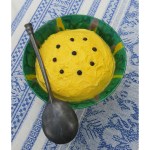
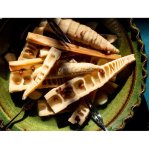
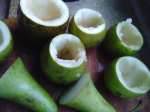


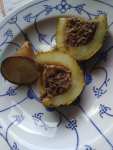


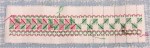

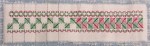


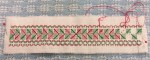
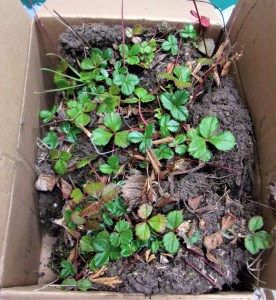

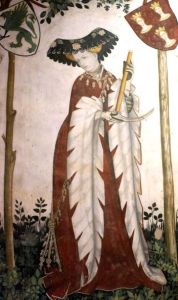 Helen was working drafting a pattern.


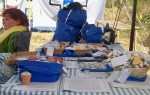
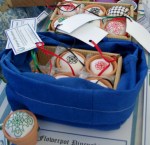
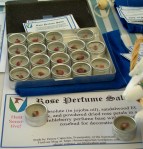
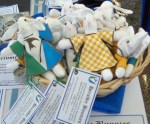
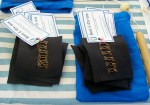
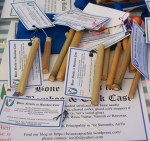
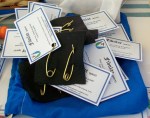

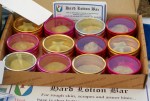

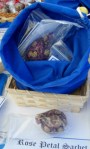
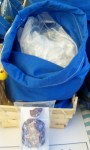

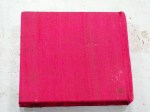

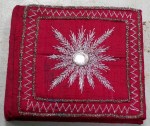
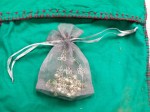



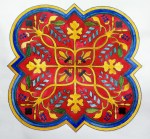
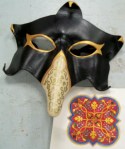








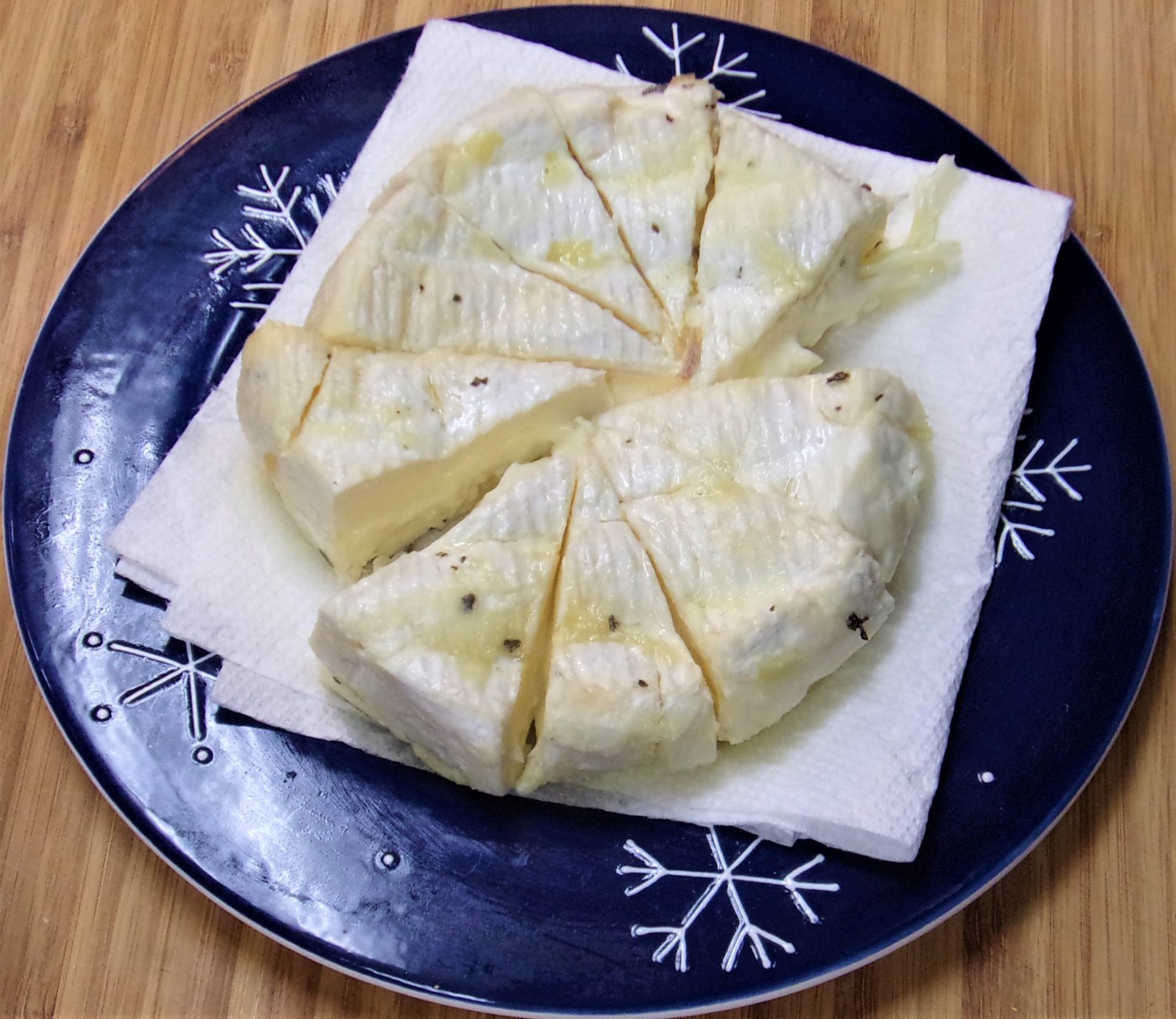
 Does a quiet week lead to a busy Project Day? It seemed like it this week. There are a lot of links this week. People have been productive, but there aren’t as many of them that are classes. Maybe my “filter” is messed up?


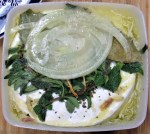
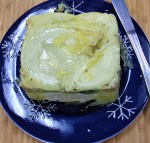




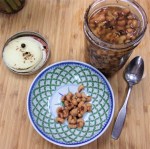
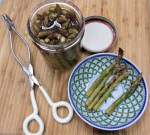
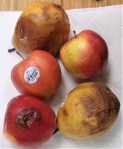


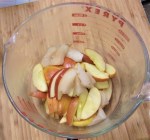


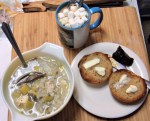
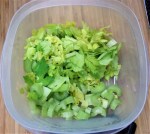

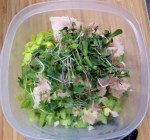

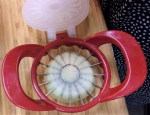


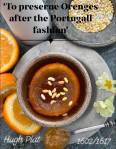
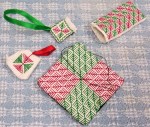
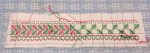
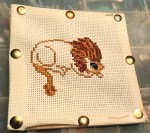

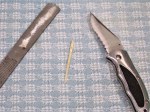



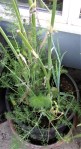
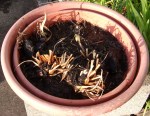


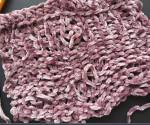


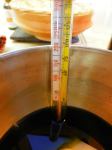

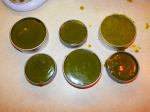




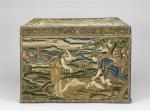
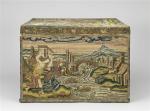
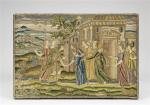

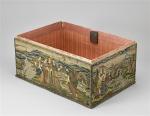
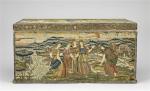
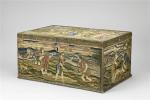











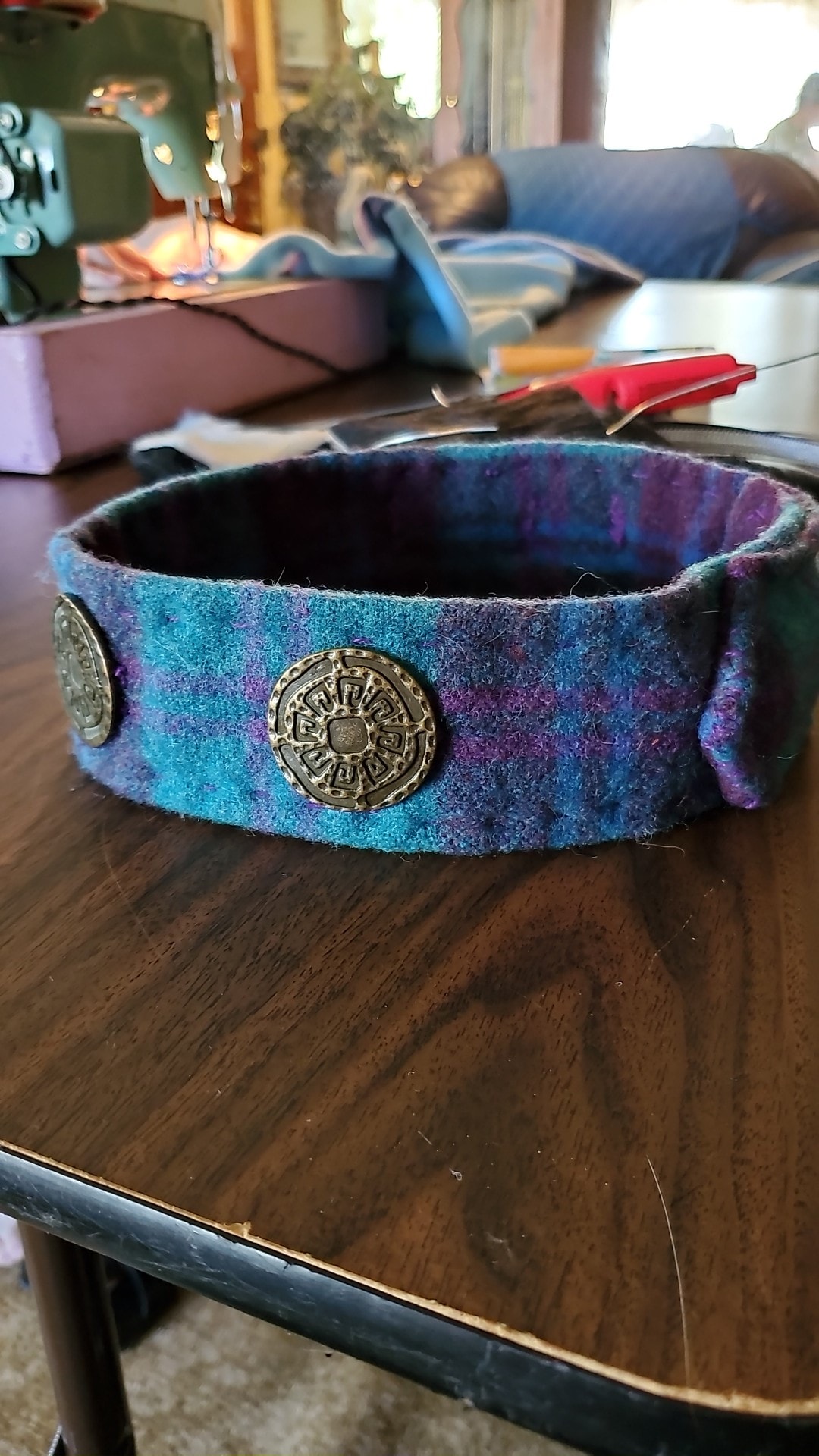


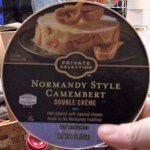
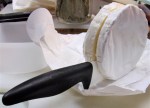
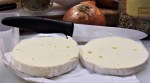


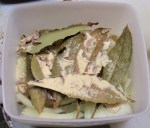
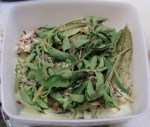
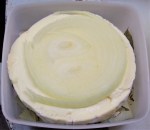
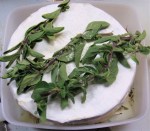
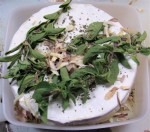



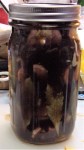

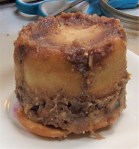
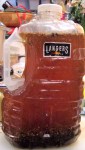




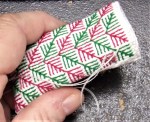
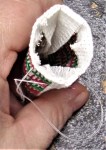
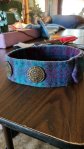
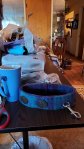


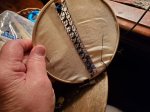

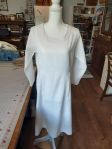



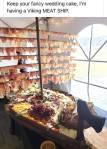

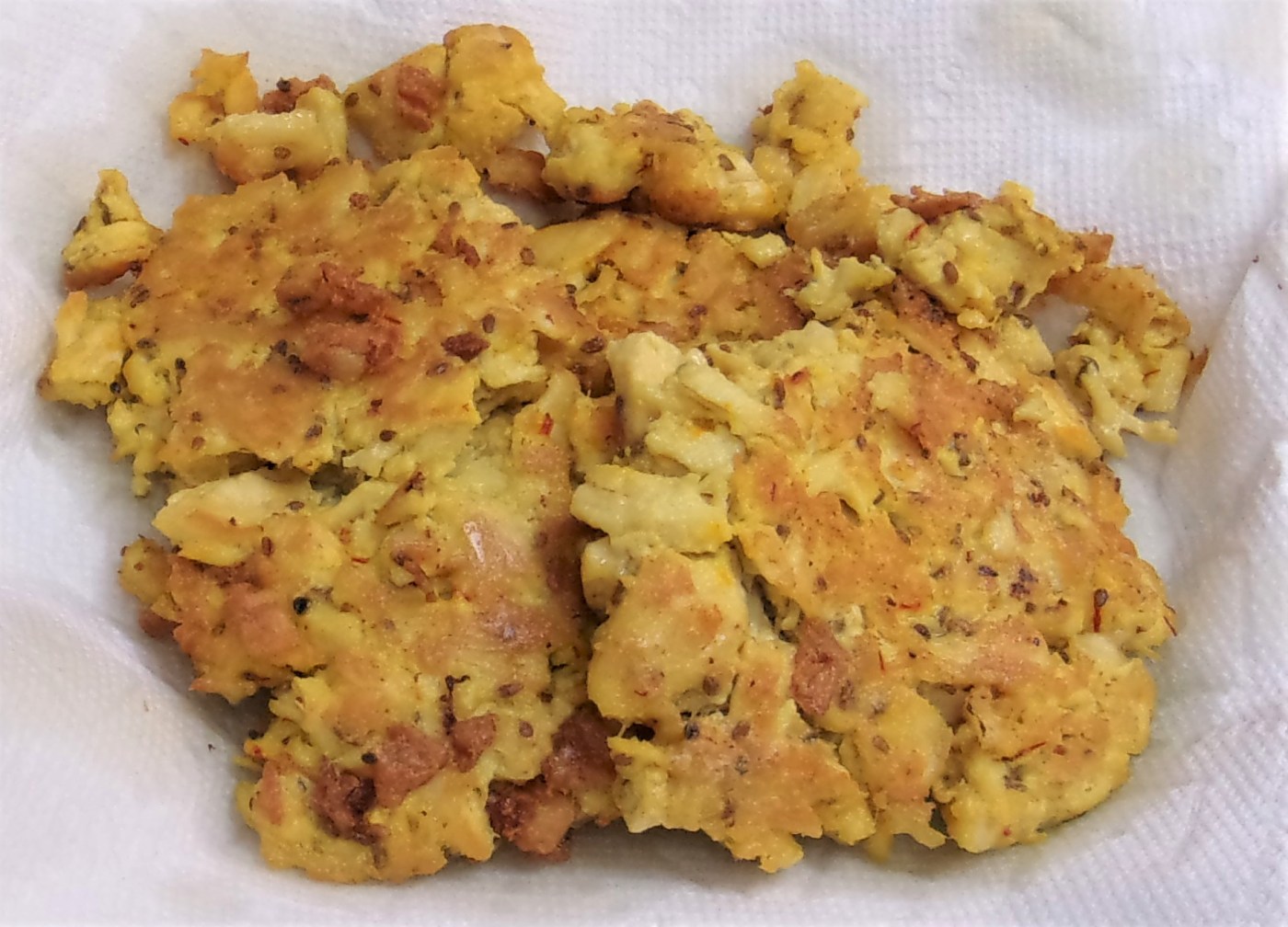

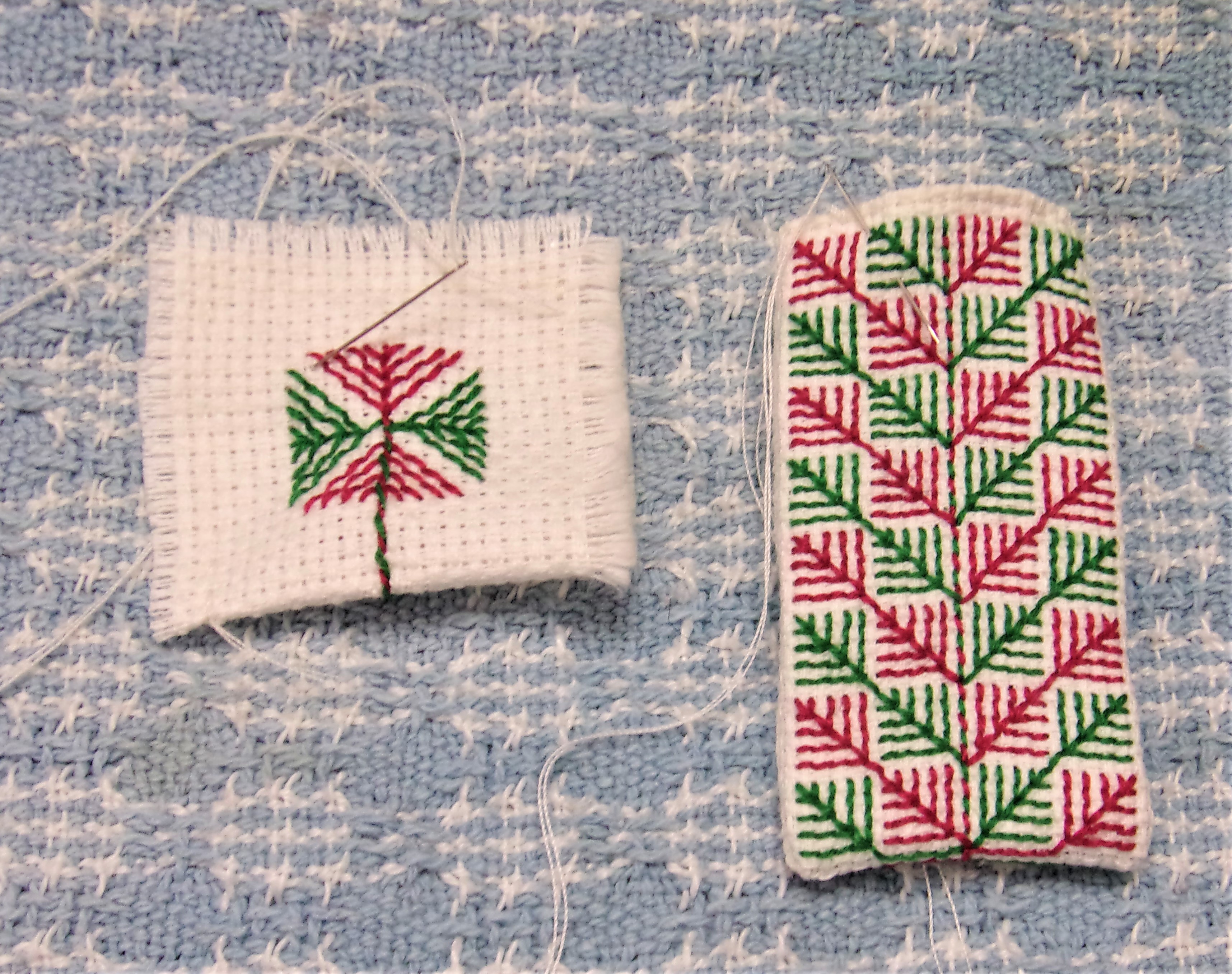
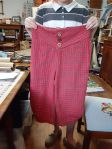
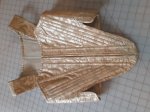
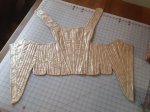

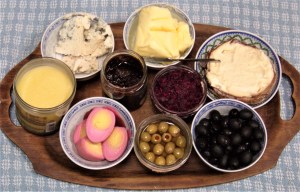
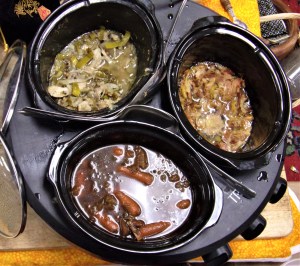
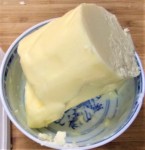
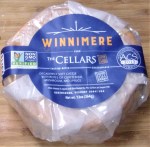
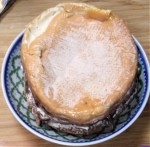
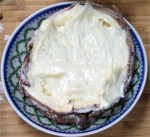
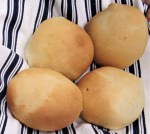
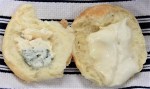
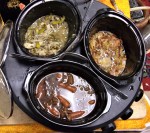
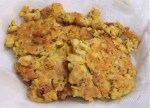


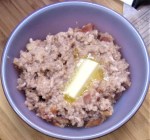
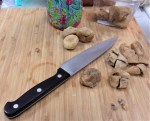
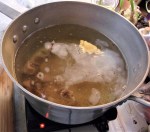
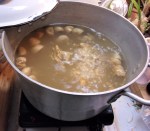
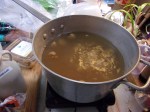
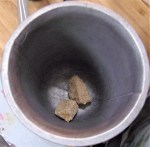

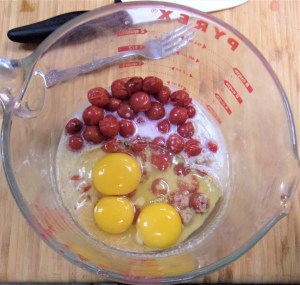
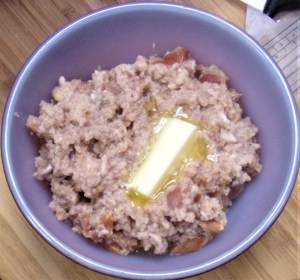










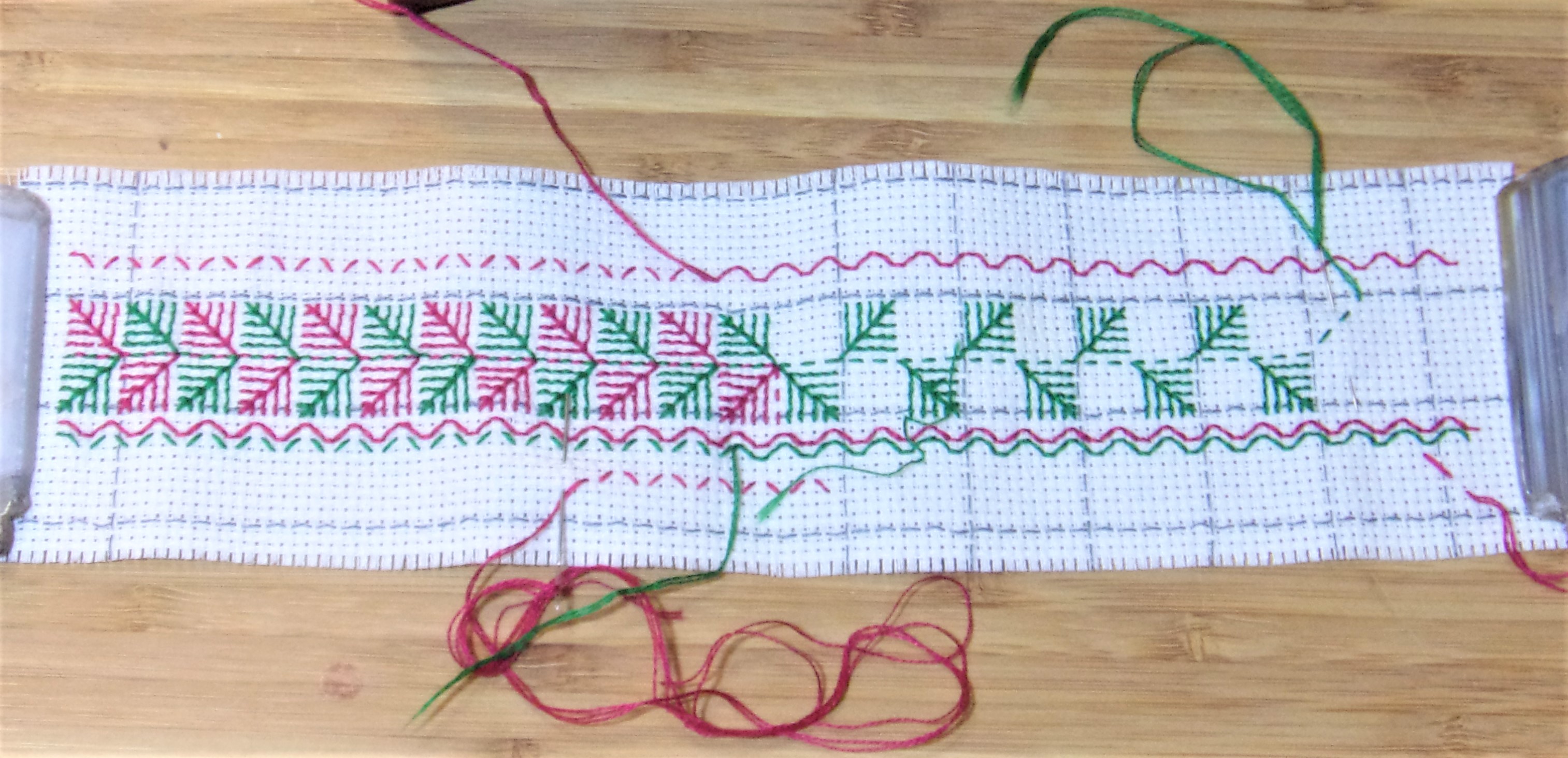
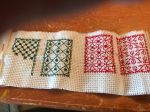


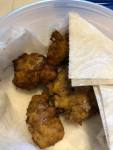

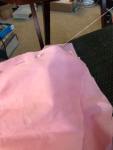
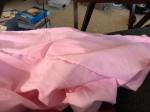





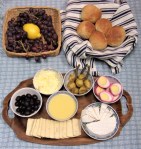

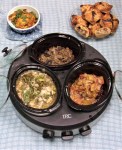

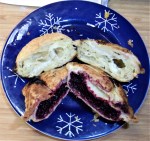
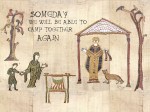


 Loren and Anja have been working on bones all week, plus Anja always has her embroidery. Other than that there was Adiantum A&S and Project Day was very busy. It looks like some folks were interested in classes, but most are waiting for the videos to be published.
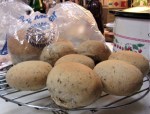
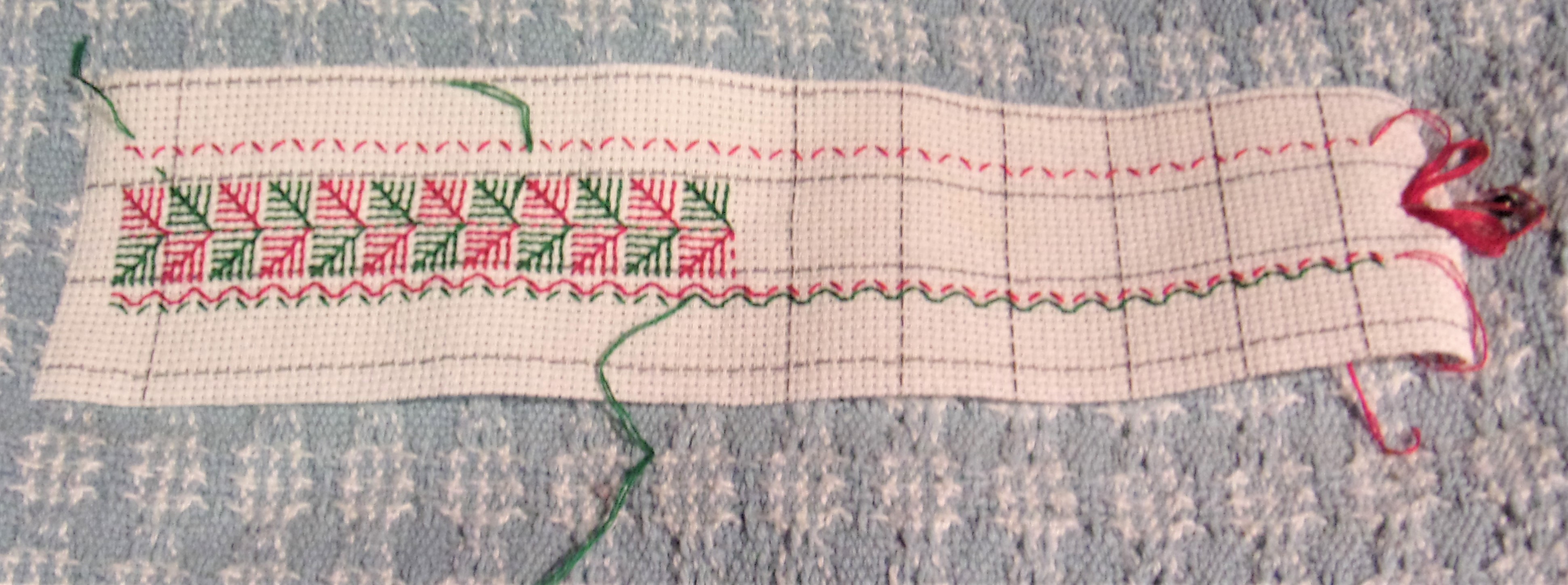

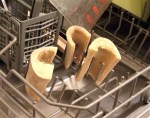


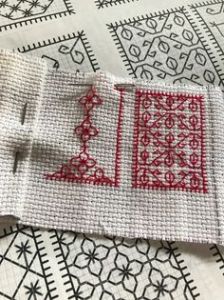












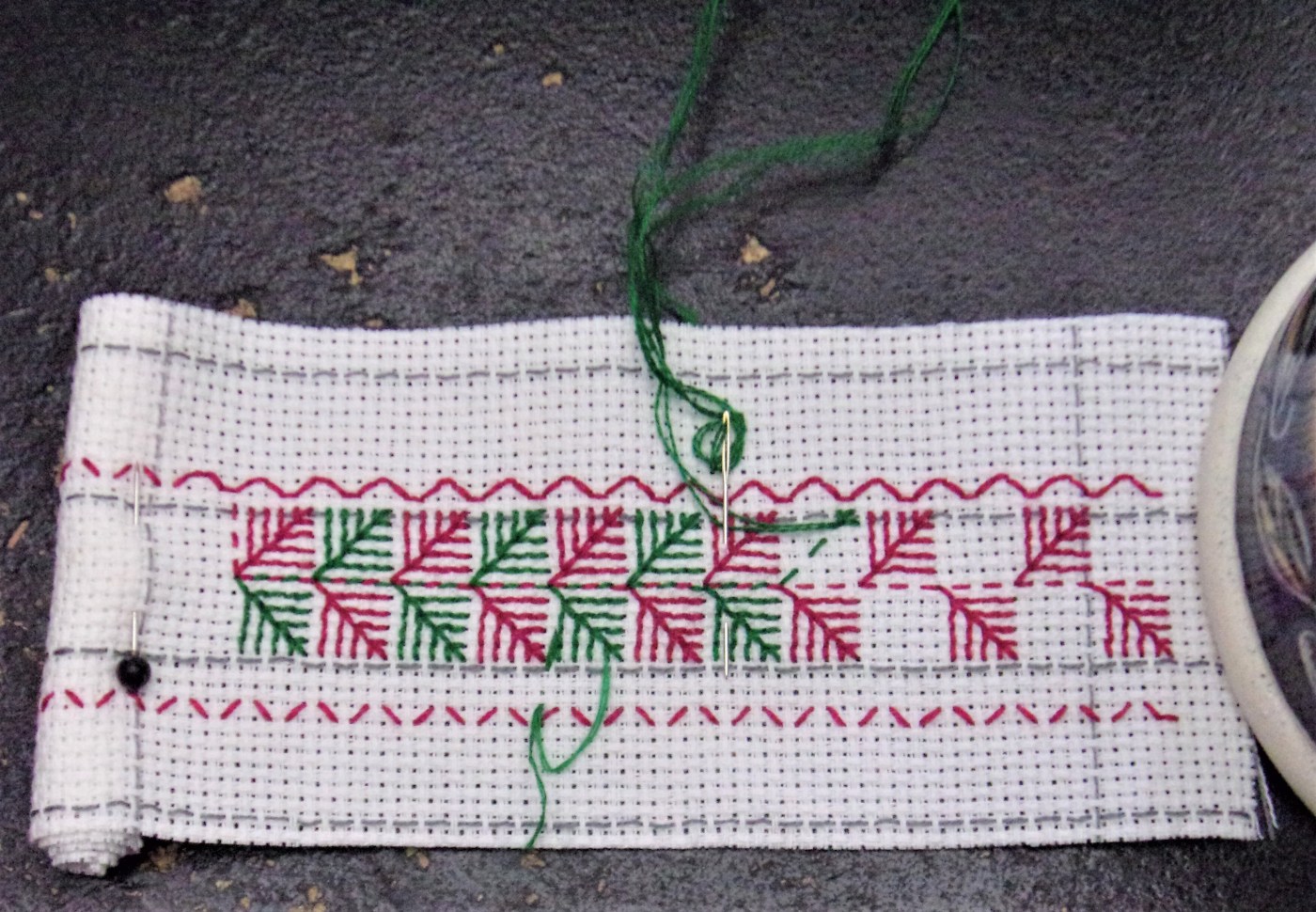
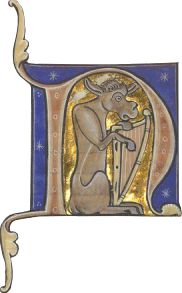







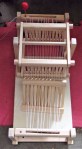

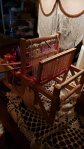
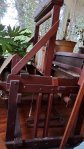

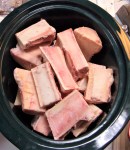
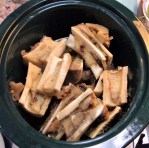





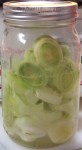

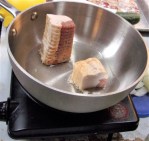
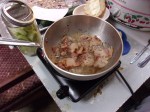
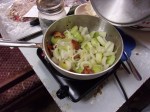
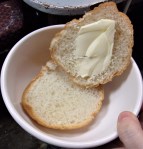





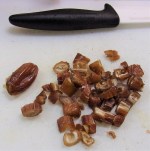
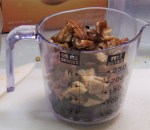
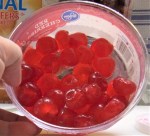


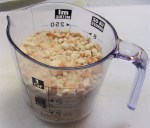



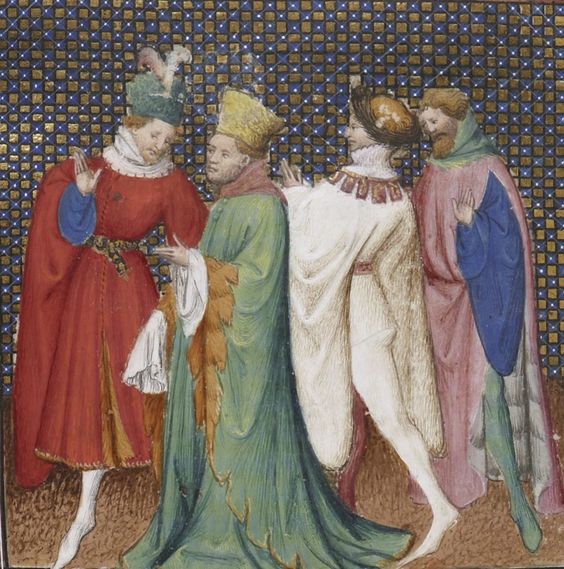








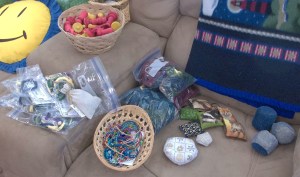
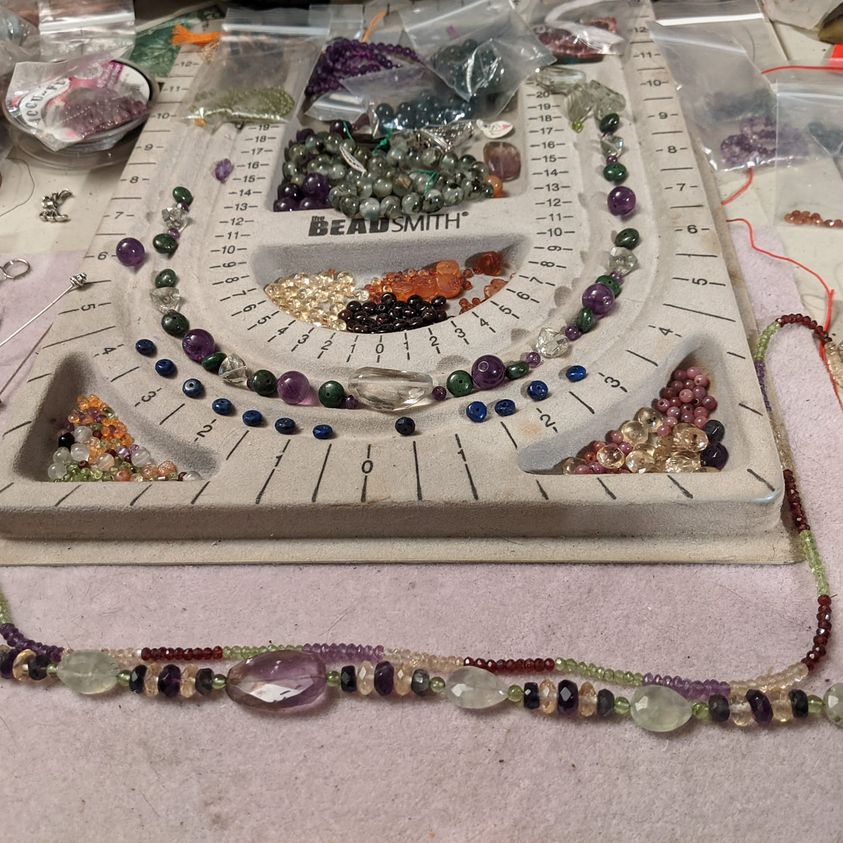
 All meetings are on hold for the moment, although Project Day and the Monthly Potluck are being held in the Virtual Realm. We’re also doing mini-potlucks, just Anja & Loren and one other “pod” at a time. Let us know if you’re interested!

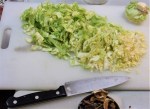

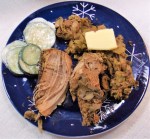








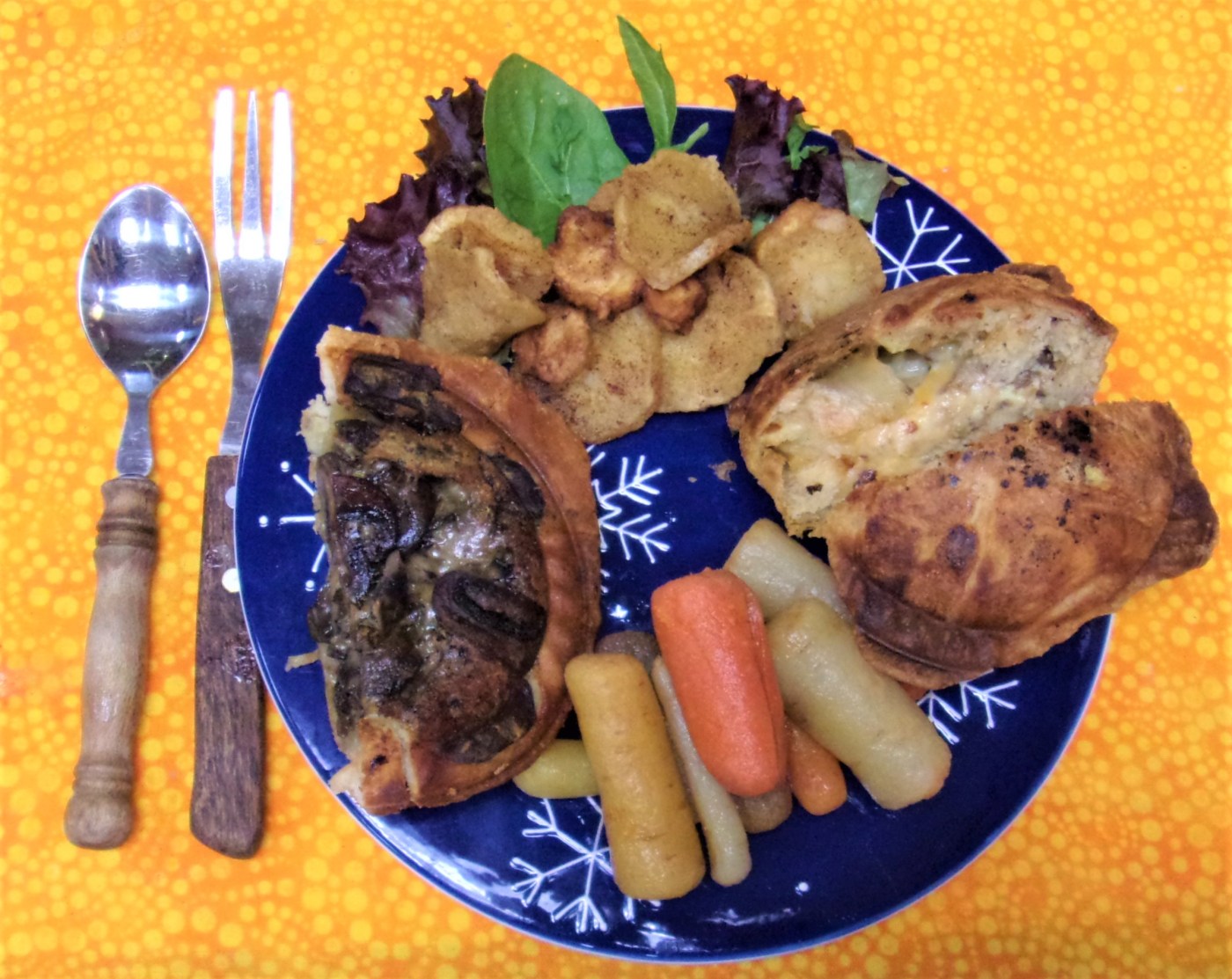

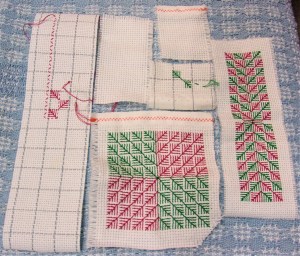

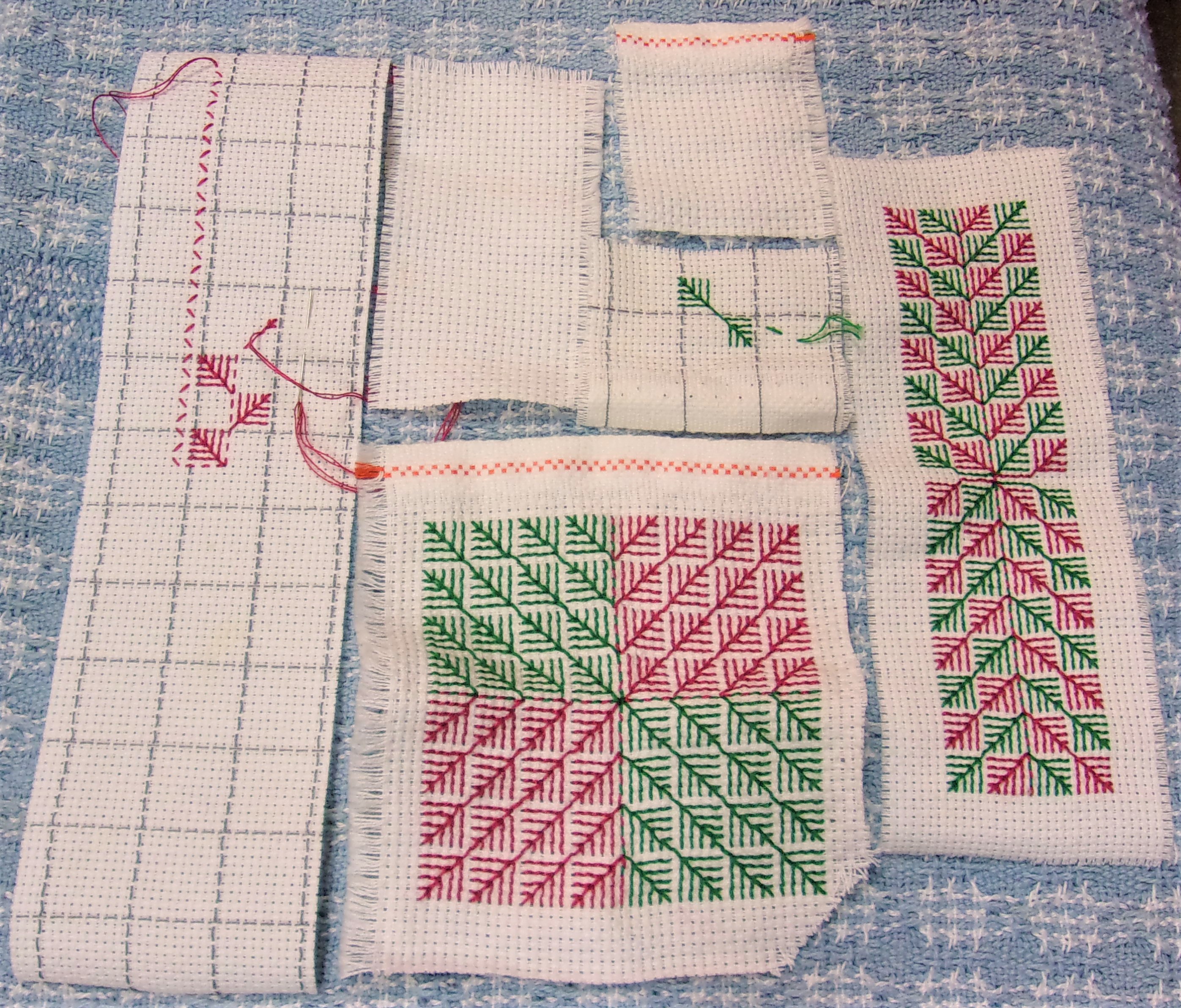
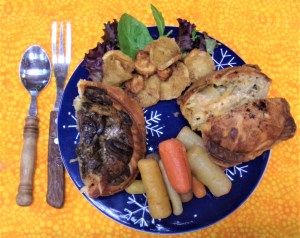






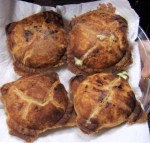
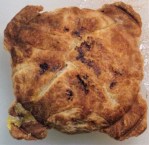
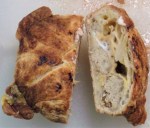

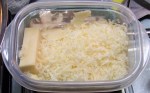
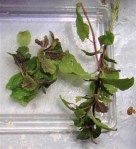
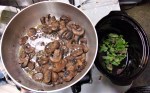



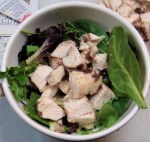

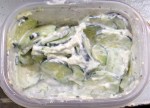
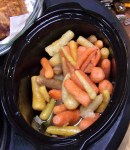


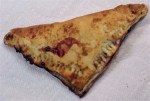

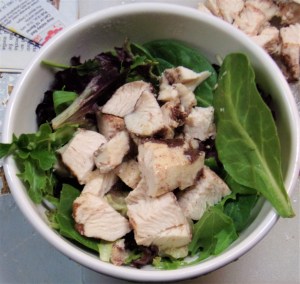
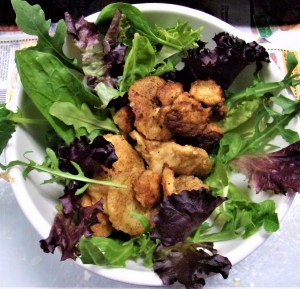
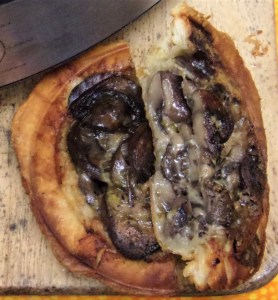





 House Capuchin 3