An historical recreation household centered on the Central Oregon Coast (households are not official groups of the Society for Creative Anachronism and do not represent the views or policies of SCA, Inc. )
All of us are feeling the want of in-person events. Your scribe is finally top-dead-center on classes, but I’m saving links to ones when I have the time to watch. They didn’t record as much for AnTir/West as I’d been hoping. 😦 Still no camera here. I’m still dithering.
These are elephant garlics. They had little corms on them, little bulblets, which I left in the ground. They won’t be garlic bulbs until the summer after next… if we’re still around on this planet…
We had a lot of people for Virtual Project Day this week. Lots of input below.
We’re scattering more of the classes and vids through the newsletter. Makes it easier to read.
Nothing really new this week, and this coming week is more of the same. Loren and Anja are dealing with “tourist season” such as it is, at their shop. Might get a chance for more cookery pix. Anja found another recipe to try. 🙂
All meetings are on hold for the moment, although Project Day and the Monthly Potluck are being held in the Virtual Realm. We’re also doing mini-potlucks, just Anja & Loren and one other “pod” at a time. Let us know if you’re interested!
Herb Bunch – At Ancient Light, Saturdays, 11am-1pm
Sewing Time – At Ancient Light, Saturdays, 3-5pm
Project Day – At Ancient Light, Sundays, Noon to 6pm
Cheese and Wine happens irregularly, usually announced with little notice on our Facebook group.
Next Virtual Potluck – 6/21
Next Winter Feast tentative Date is 2/15/21, Theme ??
Early Week – Once the newsletter was out Anja sorted out embroideries, again. She found the sippy cup insert and got back to work on that and we still trying to work out the pattern for the kiss-lock pouch. Once we have one they’re pretty easy, but until that point….
Estella sent a whole album on Dehydrating Garlic! “It’s easy to grow garlic in tubs, and drying good fresh organic garlic that you grow yourself is very satisfying. If you don’t have a yard, maybe try some herbs, like a good lemon basil plant for your Pho.”
Garlic in old Rubbermaid tubs, guarded by my faithful gargoyle, Igor.
These are elephant garlics. They had little corms on them, little bulblets, which I left in the ground. They won’t be garlic bulbs until the summer after next… if we’re still around on this planet…
Cutting tray liners from wax paper. Parchment paper would probably work better, but wax paper is cheaper. This is so the chopped bits don’t drop through the trays… be careful taking the dried garlic off. If it’s dry enough, they should just “crumple” right off, but sometimes there’s a sticky place and you end up with a bit of wax paper stuck on a garlic chunk.
I like to take my time and slice the garlic instead of chopping it. The knife was made by my friend, Helen, an artist, and I inherited it when she died.
I also inherited this wonderful large food dehydrator from Helen. Four golf-ball sized bulbs dried down to almost a pint. I’m keeping the dried garlic tightly sealed in the freezer.
Ta-dah! My Isolation Island project du jour.
Cookery – Monday evening Anja started the base for the Transylvanian Cherry dish. Loren was working on getting some of the feast gear put away and bone needles. Anja’s embroidery was all very repetitive stuff. Leftovers for supper: dumplings, chicken stew, carrots, mushroom pickle…. Tuesday supper was the bread and cherries dish. We had another serving to put in the fridge, which reappeared on top of rice pudding. The last couple servings of the chicken and leek stew got carrots added and were eaten over cooked rice. Pork patties to be cooked in beef and wine broth got set up along with a set of the dumplings made with parmesan. On Wednesday the last of the cherry stuff got eaten. On Friday the dumplings and meatballs got cooked in the wine/beef broth and sampled. Good! …and the last of the leftovers got eaten, except for pickles that can sit, anyway. …and from Saturday through Monday, dumplings and meatballs were eaten with tomato soup, chicken soup, a basic veg stew and a leek stew!
Cooking A CAPON Dish For A Medieval King – Sweet Measure
Sewing – Anja worked on getting a working pattern together for the new kiss-lock pouches. What she had wasn’t working. A print-lined-with-solid pouch got done right at the end of the week, the “proof” pattern. Another pattern got started on the sampler.
Working out pouch pattern. Lining inside
Working out pouch pattern, Cover Fabric, inside – See the stitching lines?
Sippy cup insert
Embroidery for the SCA Period – Part 9 Long Arm Cross Stitch
Sundials, etc. – Sanding needles
BOne Needles
Wood tray refurbished a couple of weeks back
Herb Bunch – Mostly tending and harvesting this week.
Weird Garlic
The Weird Garlic – One of the garlics that was planted as a tiny clove in the big tub at the south end of the garden suddenly did this. ^^^^^ It had gotten bent, hard right at the point, probably by someone walking by. I’ve never seen one do that, so I asked on some of the gardening groups. It turned out that some garlics make “bulbils” (I’ve always called ’em bulblets…” at the top of the stalk if you don’t cut off the scapes. Never seen one in the middle…. If you plant ’em you get garlics in two years…. honestly, looks to me like a “next summer” thing. Well, we’ll see.
Herbs, Food and Flowers
The north garden
The big planter tub – Chives are blooming, potatos are up, leeks are getting big and there are a couple of roses, now!
Lavendar
Oregano
Nasturtium
Nasturtium
Veg ends for greens
Alliums and greens
Raspberries
Primrose
Crocosmia
Project Day – Anja started with sewing. Loren started with bread. Anja went on to photos of plants and harvesting some feverfew. Then developing pictures. What on earth is going on with that garlic in the gallery above? …. next was lunch and then back to sewing, trying to get the pouch to work right.
Various people participated in the Virtual Project Day. Arlys sent in her Dragon Puppies, Louisa and Isabeau are doing masks. Estella sent a gallery of pix about drying garlic (in Cookery, above.)
Peggy wrote the following, “Still working on the brickwork project, but it is nearing completion (at least the embroidery part). Visited An Tir/West War yesterday…took the Opus Aglicanum (sp?) class and submitted for the war points for that. It was a very interesting class, I learned quite a bit about it.
Turned out that I was the only student at the class, along with the teacher and the host. If I ever get up enough ambition to try Opus Anglicanum it will be a very small piece.☺️
I have some metallic thread that I might try with.”
Sounds like an interesting class!
These are Mistress Arlys’ Dragon Puppies, in Assisi style – “After a night under siege, my ambition was limited to taking Dragon Puppies off the frame, and trimming it so it could be properly framed for hanging.”
Miscellaneous pix
Medieval street food from Das Conzil Von Konstanz (15th century): sellers of pretzels and pies with their portable oven. In the Italian sources, this kind of pie is called pastello, whereas torta is more similar to a stuffed pasta.
Gail Galeana Baldwin – from Largesse Makers – bottle cap pincushions
discovered in a field on 5th July 2009 by a metal detectorist called Terry Herbert. The Staffordshire Hoard is the largest collection of Anglo-Saxon gold and silver metalwork ever found, anywhere in the world. It consists of around 4,000 items which combine to a total of over 5kg of gold, nearly 1 ½ kg of silver and around 3,500 cloisonné garnets.
Remarkably it was buried just below the surface, due to soil erosion over the years, and had been disturbed by ploughing the previous year, scattering it. It was probably buried around 650-675 AD, and lay close to the Roman Road of Watling Street which was still an important route at the time. Excavation at the site confirmed there were no buildings or other evidence for Anglo-Saxon habitation on the site, confirming it had been buried in a relatively remote location (although presumably where it could be found again near the road).
In November 2012 a further 81 pieces of gold and silver items were discovered in the same field when it was ploughed again.
The Hoard comprises primarily war gear which is particularly important as most survivals from the period are church items or female burial pieces, which provides a limited view. This find enables researchers to explore the warrior culture more fully than in the past.
The pieces are removed from weapons rather than representing the main body of the weapon itself (such as the sword blade). There are almost 100 pommel caps for instance and probably helmet fittings. However, swords are the major contributing type of object and it has been suggested that the fittings were taken to depersonalise the original blade. Each object is unique in pattern and probably identified the owner in some way. However, whether these are from a single battle or collected over many years is not clear.
The location of the find is in the Kingdom of Mercia and dates to the seventh century when the kings there were expanding aggressively. The items might represent any of their campaigns against the other kingdoms. One theory is that the burial is a ritual deposit, but it may have been battle loot or a ransom, or just hidden from attackers, or even collected for recycling into new fittings; debate remains keen.
While the quantities are enormous, the quality is also extraordinary indicating that the objects were created for elite warriors. The hoard contains only one written text, a biblical inscription written in Latin and misspelled in two places. It reads: “Rise up, O Lord, and may thy enemies be dispersed and those who hate thee be driven from thy face.” (Numbers 10:35). More generally, there are three kinds of decoration: cut and mounted garnets, gold filigree, and animal patterns.
Most of the garnet decoration uses the cloisonné technique, setting thin slices of garnet cut to fit in the pattern made by gold wire Stamped gold foil placed beneath the garnet allowed light to reflect back, enhancing the brilliance and making its colour a darker red. Some pieces are decorated with stylised animals interlaced in the Anglo-Saxon Style II. There are two sources of garnet in the hoard. The very small garnets came from the Czech Republic and the larger cut garnets are from the Indian subcontinent.
Scientific analysis has also revealed that the goldsmiths managed to remove some of the silver from the surface of the items so that the object appears even more golden. The technique is not understood fully but it shows a very sophisticated understanding of materials and technology.
More recently research has identified that approximately a third of the fragments in the Staffordshire Hoard come from a very high-status helmet, and two reconstructions were created over an 18 month period by a team of specialists. The fragments in the Hoard are too fragile to be put back together but the reconstructions have made use of digital technology to capture form and decoration as closely as possible based on the analysis of the fragments.
A silver gilt cheek piece and an animal headed terminal were identified in the initial finds, with another terminal being identified later. The second field survey in 2012 then picked up a second cheek piece. The terminals fitted onto a crest, and were decorated with Style II interlaced animals, including serpents and quadrupeds. Eventually some of the sheet metal fragments, some weighing less than 1g, were reconstructed and a silver band which had encircled the base of the helmet emerged showing kneeling or running spearmen.
None of the iron or leather of the original helmet survives so reconstruction was difficult. However, the crest, cheek pieces and decorative sheets all indicated a crested helmet, similar to the ones found at Sutton Hoo, Wollaston and Coppergate (York). Although so little of the helmet survives, it is considered the finest example of the type so far, with its golden ornamentation reminiscent of late Roman (4th century) helmets. It is also unique in that the grooved channel on the crest indicates it had an actual hair crest on it. The reconstructions have crests of pale horsehair dyed with madder to a vibrant red to match the dominant red and gold colours in the hoard. It has been suggested that the helmet should effectively be considered to represent a crown.
The reconstruction had to work out the substructure of the helmet, and this was done by analogy for other helmets and fittings matched to holes on the fragments where possible. The final product weighed in at around 3kg which is heavy but manageable. It has proved to be well balanced, and the original probably used iron instead of steel for the frame would have reduced the weight by 1 kg, and is the more likely material used in the original.
The two reconstructions are to be displayed at the Birmingham Museum & Art Gallery and the Potteries Museum & Art Gallery at Stoke-on-Trent. – Image: Staffordshire Hoard Helmet reconstruction, Staffordshire Hoard, Birmingham Museum & Art Gallery and the Potteries Museum & Art Gallery at Stoke-on-Trent
Can your scribe plead an attack of the “lazies” last week? More like “tireds”, but…. First the recipes took longer to sort out, then the photos had to be re-done, twice. It was Wednesday when I realized, “Ain’t Hap’nin’
and gave in. This week wasn’t a *whole* lot better. I’m not doing as many classes, but mundane things are eating my spare time. So last week was pretty much given over to foodly things with the potluck on Sunday. This week was more embroidery and bone needles, but still some food. Isn’t there, always?
Hummingbird tongues
Still doing things in the virtual realm. All meetings are on hold for the moment, although Project Day and the Monthly Potluck are being held in the Virtual Realm.
Herb Bunch – At Ancient Light, Saturdays, 11am-1pm
Sewing Time – At Ancient Light, Saturdays, 3-5pm
Project Day – At Ancient Light, Sundays, Noon to 6pm
Cheese and Wine happens irregularly,
Dumplings
usually announced with little notice on our Facebook group.
Next Virtual Potluck – 6/21
Next Winter Feast tentative Date is 2/15/21, Theme ??
Early Week – Both weeks were nuts enough that pretty much all that happened in the early part of the week was dishes.
Cookery – Cooks Chat was interesting on Tuesday. Among other things we talked about pickling lime, which I had only marginally heard of. Tuesday evening we when Anja started planning for the Sunday potluck. We’re going to do mini’s for awhile, until the virus starts to ease off, at least, and a monthly one online.
Lots of cooking on Saturday (6/20), mostly potluck, but some cooking ahead.
2nd week – Leftovers all week, and then on Sunday (6/28) , a Chicken and Leek stew and cheese dumplings with some of the carrots that were left.
A plateful
Dumplings
Chicken/Leek stew
Last week’s Cooks Challenge recipe
Buttered Beer
Oatcakes
Tarte de Bry
how to Bake Medieval Rastons
Jane’s Medieval Kitchen – Custard Tart
Lombardy custarde
Drinks for the summer
Jane’s Kitchen – Recipe 18 Apple Tart
Jane’s Kitchen – Recipe 19 Rysschews Of Fruit
Sewing – More embroidery, mostly on the sippy cup in the early part of the week, but with the occasional bit on the sampler, still working out patterns. During the 2nd week the sippy cup embroidery disappeared, so it was the table runner and then working out the pattern for the new frames.
materials
Oops… well, it’ll make a pouch
Finishing stitch on right.
Sundials, etc. – Bone needles this week. No pix. Loren keeps hiding the darned things when I’m waving the camera around.
Herb Bunch – Various plants are getting harvested as the season warms. A mint leaf here and there, for tea or lemonade, sweetgrass for incense, nasturtium blossoms for salads or sandwiches, and sweet cicely for the apple dish for the potluck. Leeks and garlics have gotten yanked up, too.
Cleavers
Cardoons
Crocosmia
Fig
Flower
Foxglove
Mints (and an errant foxglove)
Sweet Cicely
Sweet grass
Nasturtium
Sweet grass, dried and being cut.
Project Day and Potluck – House Silvermists came to the potluck on 6/21. The girls were reading and working on tablet weaving. Wilhelm, Loren and I got started talking about slavic scripts, history and various other things in between cookery and after our potluck.
We had nibbles on the table during the day, and the girls really got into the Hawaiian rolls. Then starting around 5, the pottage, veges, pies. Eventually we got to the sweets and didn’t quit until past 11.
Potluck Menu
The feast in progress
Nibbles
Bread – purchased Hawaiian Rolls
Bread – purchased round loaf with filberts
Bread – Loren Herb Loaf
butter – set out
cheese – cut up
pickles – bean and mixed veg
pickled mushrooms
black olives
Main
carrots
composte
Hummingbird Tongues –
Pompeii Leeks with Olives –
cacik –
Tart de Bry –
BASIC MEDIEVAL/RENAISSANCE MEAT PIE
Hummingbird tongues
Basic Ren Meat Pie
Afters
rice pudding
cinnamon buns
Recipes
Apples with Sweet Cicely (added 1/2 cup red wine)
Ingredients:
1 1/2 pounds cooking apples
honey or other sweetener to taste, about ¼ cup honey
2 cups water
2 teaspoons minced sweet cicely
Core and chop apples. Put into a crockpot and add honey. Cook overnight. Use a potato masher to roughly mash down. Stir the sweet cicely into the apples and cool in the pan. Serve warm or cold with whipped cream.
Mushroom Onion Wine pickle
Makes 16 servings
1 onion, thinly sliced
¼ cup balsamic vinegar
¾ cup white wine vinegar
½ cup red wine (cabernet)
½ cup water
3 tablespoon sugar
2 tablespoon salt
2 tablespoon german feast mustard
24 ounce canned mushrooms, drained
Directions
Bring onion, vinegars, wine, water, sugar, salt and Dijon mustard to a boil in a saucepan. Add mushrooms and simmer until liquid is slightly reduced, 5 to 6 minutes. Transfer mixture to a covered container and chill. Drain before serving.
Tarte de Bry – from Forme of Curry
Ingredients
Purchased pie crust
1 serving of saffron (lg pinch) & water (1/4)
12 Oz Brie
4 egg yolks (too many, going to cut down next time)
¼ cup
Good pinch of ginger
Good pinch of salt
Mini piemaker
Method
Soak the saffron in water overnight, cover, sitting out.
Cut 4 crusts from one purchased pie crust, then repeat with the other.
Tear Brie into small pieces. Beat. Add egg yolks. Beat.
Add sugar, ginger, salt and saffron water and beat until creamy and smooth, which takes 10-15 minutes on low.
Turn speed to “beat” for two minutes, then turn off.
Spoon batter into a measuring cup.
Heat the pic maker and press one round of dough into each “pocket”.
Put 1/8 of the mixture into each crust (should be ½ full).
Close and cook until internal temp is over 165.
Repeat with remaining ingredients.
Tart de Bry. Take a crust ynche depe in a trap. Take yolkes of ayren rawe & chese ruayn & medle it & þe yolkes togyder. Do þerto powdour gynger, sugur, safroun, and salt. Do it in a trap; bake it & serue it forth.
Cut crust
Batter
Too full
Scorched. They taste ok, though.
One cut to show the inside.
From Burg Eltz Castle – It sounds like this castle has been continuously owned and occupied by the same family since the middle ages. Part of it is now a museum.
Miscellaneous pix
Historical Italian Cooking / Cucina Italiana Storica
Despite being considered an excellent remedy for any sort of sickness, in particular by Cato and Pliny, in the Middle Ages there were physicians who frowned upon the use of cabbage, a common vegetable in the cookbooks. Usually, to remove the harm, they suggested to cook it two times discarding the first water, then to boil it with very fat meat such as pork or mutton adding spices. Ancient and medieval authors mention many different kinds of cabbage. Today, we translate a passage from the beautiful booklet about foods written by Michele Savonarola in the 14th century. The image is taken from a 14th century Tacuinum Sanitatis.
“Savoy cabbage is the most common among the other kinds, so we will talk about it first. It is hot in the first degree and dry in the second, and the best part is the head, the part above. For this reason, your servants need to pay attention to cook just the head. Savoy cabbage has to be avoided in summer and consumed in the cold season; it is hard to digest and harmful to the stomach. The interior, hard part is the worst; for this reason, people discard it. It does not give much nourishment and just bad one, namely melancholic and turbid. It causes problems to the sight and clouds it, and provokes dreams full of fear and melancholy. Your grace do not have to wonder for the presence of so many people with a melancholic complexion in your city [Ferrara], being here Savoy cabbage so popular.
It makes bad blood, but dries the tongue and clarifies the voice, in particular if chewed or if the juice is extracted. It makes recover the lost voice and most of its harms are removed if it is cooked with pork or chicken fat, or prepared with a lot of oil and salt. Discard the first water and know that garlic, coriander, anise, and cinnamon are its perfect pairing.”
—
Malgrado il fatto di essere stato considerato nell’antichità un rimedio per ogni tipo di malattia, in particolare da Catone e da Plinio, il cavolo, spesso usato nei ricettari, era malvisto da alcuni medici medievali. Generalmente, per rimovere gli effetti nocivi, suggerivano di cuocerlo due volte scartando la prima acqua di cottura, poi di lessarlo con carne molto grassa come maiale o pecora aggiungendo spezie. Il testo che vi presentiamo oggi è un estratto da un libretto sui cibi scritto da Michele Savonarola nel XIV secolo, mentre l’immagine è tratta da un Tacuinum Sanitatis dello stesso periodo.
“La verza e de le altre tanto piu comuna che per quel di lei diremo prima, la quale scripta e calda in prima, e secha in secondo e fra loro la cima cioe la extremita di sopra e la migliore. E imperho siano attenti ad cio tuoi pincerni de la extremita sola tua vivanda fazza. La verza la estate non ha sasone, ma si al tempo del fredo, grieve e da padire e noce al stomacho. Lhe anco pezore il torso, imperho quel se buta via, non da molto nutrimento e dalo cativo cioe melanconico e torbido. Ingrossa la vista e quella tenebra. E fa insonniare insonij di paura e melanconia. Imperho no se meraviglia tua signoria se tanti melanconici cioe tale de complexione se truova in questa tua cita, che certo de verze se fa cossi gran fracasso. Fa tristo sangue ma sucha la lingua e chiarifica la voce specialmente masticate e cossi tolto in succo, quinimmo restaura la voce perduta, ma molto se ge remuove gli suoi nocumenti se se cosino con grasso de porcho e de gallina, ancho con molto olio e sale conza, buta via la sua prima acqua e sapi che laio, il coriandro, el aneso, e il cinamomo sono sua triacha.”
The Yatman Cabinet, Designed by Wm. Burges, made by Harland & Fisher, and decorated by Edward Poynter,before he became famous and an R.A.. Dated 1858. V&A Collection, and Object Type
The most striking aspect of this cabinet is its architectural form, which suggests a building with a steeply pitched roof, tall chimneys and dormer windows (windows fitted vertically into an extension built out from a sloping roof). The designer of the cabinet, the architect William Burges (1827-1881), based the design on a combination of two medieval armoires (cupboards), one at Bayeux and one at Noyon (destroyed during the First World War), both in northern France. The cabinet is actually a desk with a writing flap concealed behind the lower panel with painted arcades.
Subjects Depicted
The themes of the painted decoration relate to writing and printing. The dormer windows contain calendars for the days of the week and months. The scenes painted by Sir Edward John Poynter (1836-1919 _ and only aged 20 at the most, at the time of the Commission, just prior to entering Gleyre’s Studio in Paris in 1856), – include the story of Cadmus, who was believed to have introduced the alphabet to the ancient Greeks. This was an appropriate choice, as the cabinet was intended to be used as a writing desk. The other scenes, also by Poynter, depict the cutting of cuneiform letters, the medieval Italian poet Dante Alighieri (1265-1321) and the English printer and publisher William Caxton (born about 1427, died 1492). These are all allegories of inscription, composition and publication. The painted decoration also shows heads of figures representing History and Poetry, the ancient Greek philosopher Anaxagoras (about 500-428 BC) and his friend Pericles, ruler of Athens, Greece, in the second half of the 5th century BC. The insides of the cupboard doors are painted with portraits of Poynter and Burges.. Enjoy!
Medieval designs
Music
Trouvères : Anon – Chanson de Guillaume
Bizarre! …and funny, and not our usual style….but funny!
ASLIV – 222 plus 4 puppets, 3 hippocras mix, 4 powder fort, 8 cheese spice and 9 powder douce packets, 9 tiny bobs, 7 pincushions, 3 pins, 4 snip case w/snips, lucet cords, 25 pouches for block-printing, 1 medium pouch, 4 small pouches, 12 bookmarkers, 14 unfinished pincushions, 1 sewing kit (except for bone needle), varnished stuff (124), 2 emery strawberries.
Total as a Household = 4053 handed off
In ministerio autem Somnium! Anja, graeca doctrina servus to House Capuchin
Page Created 6/15/20 & published 6/29/20 (C)M. Bartlett
Last updated 6/29/20
Fewer classes, no dance vids, it’s been quiet this week for the House. Not to say that it’s been for the SCA. We’re in one of the perennial “flaps”, but that’s not what this newsletter is about.
The gift exchange package went out, some sanding/finishing of wood projects happened, more
Sampler
sewing, Anja’s embroidery and some really tasty dumplings, plus herbs and more. This coming week ought to be more of the same, but there’s a Virtual and a mini potluck happening on Sunday! and links and links!
All meetings are on hold for the moment, although Project Day and the Monthly Potluck are being held in the Virtual Realm.
Herb Bunch – At Ancient Light, Saturdays, 11am-1pm
Sewing Time – At Ancient Light, Saturdays, 3-5pm
Wooden bowl, sanding sponge, wood putty.
Project Day – At Ancient Light, Sundays, Noon to 6pm
Cheese and Wine happens irregularly, usually announced with little notice on our Facebook group.
Next Virtual Potluck – 6/21
Next Winter Feast tentative Date is 2/15/21, Theme ??
Heraldry & Name news as seen in a few places& checked with LQA : From Juliana de Luna, Laurel Queen of Arms, greetings to all those to whom these presents come.
Offensive Names and the Current Situation
As you doubtless know, a great deal of concern has been expressed about the fact that Wolfgang von Sachsenhausen, a name registered in 2007, included reference both to a Nazi concentration camp and a scientist who did experiments there. We wish to share with you, so that you can share with your populace, an explanation of how this name was registered and a general road map of what the Laurel Office has been working on since we became aware of the issue in the morning of Saturday, June 6, 2020.
How this name was registered:
The Standards for Evaluation of Names and Armory (“SENA”) ban the registration of names that are offensive.Specifically:
No name that is offensive to a large segment of members of the SCA or the general public will be registered. Offense is a modern concept; just because a name was used in period does not mean that it is not offensive to the modern observer. Offense returns are rare because the bar for determining offensiveness is quite high; it has not been unusual for years to pass between returns for offense.
Offense is not dependent on intent. The fact that a submitter did not intend to be offensive is not relevant. The standard is whether a large segment of the SCA or the general public would be offended.
In 2007, we were not as attuned to the problems of white supremacy in the SCA as we are today.At that time, we used a different set of rules, but the rules about offensiveness were substantially the same.
The people making decisions on names and armory are not experts in every topic that arises. For that reason, we rely heavily on commentary from our array of volunteer heralds from every Kingdom.In this particular case, no one at the Society level identified the link between this name and the concentration camp in commentary, so the issue was not considered at the time.I was a commenter at that time and can say that we rarely looked actively for such issues, assuming that submissions of hate were a thing of the past.
Now, in 2020, we are more alert to the problems of white supremacy and racism in the Society, as are our commenters.In addition, there is vastly more information available to allow us to identify potentially problematic names.We make a regular practice of checking Google and other available resources, such as the databases of white supremacist images and lists of offensive racial terminology, when making decisions.Offensive racial epithets such as the Gypsy have been banned, as have certain depictions of the Celtic or Norse crosses that are commonly used by hate groups.
What has the Laurel Office been doing?
Since becoming aware of the issue, the Laurel Office has been working on several projects:
(1)We have prepared a report to the Board of Directors discussing the issue, our plans for moving forward, and the calls for revocation of this person’s registration (something that is regulated by Corpora rather than the Laurel office).
(2)We have prepared and will shortly be issuing a Palimpsest Letter for commentary adding a provision to SENA banning names that are morally offensive and proposing a multi-factor test for moral offensiveness.
(3)We have researched and prepared a proposal for how to handle names that incorporate place names of concentration camps, which will appear in an upcoming Cover Letter.
(4)On the April 2020 Cover Letter, we will be announcing a new policy allowing free changes of names and armory for people whose registered elements are offensive.For example, some period armorial motifs have been co-opted by hate groups in the years since they were originally registered.Likewise, the phrase the Gypsy once had a very different popular meaning, but is now considered hate speech by the Roma people and the United Nations. People who now find themselves with inadvertently offensive names may wish to change them and we are removing one barrier to doing so.
(5) Pelican Queen of Arms is forming a working group to identify other potential red flags in names so that we can maintain a list of problematic name elements going forward. Although Pelican and her staff have been doing this same work behind the scenes for several years, we now are actively reaching out to people who are not presently commenting to request their assistance.
What can people do?
(1)Be patient.Many of the things we are trying to do require substantial research time or input from the Board of Directors.
(2)Become involved in researching and commenting on names and armory in OSCAR.The Sovereigns are not experts in every single area of language, history or armory.We need and rely on commentary from experts in a wide variety of fields.We remain particularly in need of people with expertise in languages and cultures outside of Europe.
(3)Become involved in researching and writing articles to help educate people on period names or armorial motifs that have problematic modern connotations.
Julia Smith/Juliana de Luna
Laurel Queen of Arms
herald@sca.org
Classes –
I tried 3000 year old hairstyles using Iron Age Tools.
REtinue 101
Keys to the Kingdom Courtesy and Etiquette in the Current Middle Ages By Briana Cassia
Concept of Classroom Education by Brynjarr Olfuss
Event Stewards 101 by Vivien NicUldoon
How to Stitch a Temari: the Japanese Art of Spherical Embroidery
Cookery – Thursday night started with a cheese dumpling experiment from Knoedlein von dem
Supper (chicken and herbs)
Kaeß (Recipe and redaction below) after that a potroast and cacik got set up. Some sauteed vegetable got done for supper with the rest of the dumplings on Friday and then the rest of the leeks went into a chicken stew.
On Sunday some of the herbs that were harvested went into supper’s chicken dish over rice. Sorrel, garlic scapes and a bit of thyme.
Sewing – The Hedeby Bag got sewn up on Saturday. More got done on the sippy cup and Anja is starting a frame kiss-lock purse.
Hedeby Bag – black linen, linen and cotton threads, wooden frame, polyester cording, wooden beads.
Sippy cup insert
Sampler
Sundials, etc. – Sanding was happening on the big wooden tray and a small bowl. The tray got re-finished, as well. The bowl needs a mend from a divot in the side. Not sure where that came from.
Wooden bowl, sanding sponge, wood putty.
Herb Bunch – Water/Tending went on all week. Anja got some harvesting done on Sunday.
Lotus Seeds
Oregano
Corcosmia
Yellow flower
Nasturtium
The sorrel, having been trimmmed
Fennel
feverfew
Harvest
Project Day – The gift exchange set got completely finished and put together. Herbs were harvested, cookery done, sanding. Anja attended an online elevation to the Laurel. Loren went to Yachats to pick up some plants. No one online.
Fire striker, snips and case, pinpillow and emery berry, fid, njalbinden needle, norse needlecase with bone needle
Needlecase, closed
Needlecase, open
Spice set – Cheese salt, lemon thyme, powder douce, applewood smoked salt
Recipes
Cheese Dumplings from Anna Wecker, (translation Volker Bach)
156 Knoedlein von dem Kaeß – Dumplings of cheese
Anja’s version
1 quart beef broth
¼ cup red wine
2 cup Bread crumbs
1 cup Grated gruyere
1 TBSP dried shallots
1 tsp Ginger (instead of pepper)
1/ tsp Cinnamon (instead of mace)
Saffron (didn’t have)
salt
4 egg
½ cup milk
Method
Set broth to boil, gently.
Add wine
In a small bowl mix bread crumbs and spices.
Add milk and then eggs on by one and stir until you have a thick , rather crumbly dough.
Let stand for ½ an hour. If it’s not sticky enough, add a little milk, but not much.
Take dough by the spoonful, roll into balls and set gently into the middle of the boiling broth.
Put the lid on (I did 9-10 in a batch), and let come back to a boil. (Makes 24-30, meatball size.)
When all rise to the surface, give them another 3-5 minutes at a boil, then using a straining spoon lift out into a bowl and sprinkle with salt. Put in the next batch.
Eat hot, or if you’re not going to eat them right away, store dumplings tossed with a little melted butter, separately from the broth and in the fridge. Reheat in the microwave, or fry on butter.
Grate bread and cheese, two parts bread, but the third cheese, and make it properly with eggs, not too thin so that it does not run. Pepper it well and also add mace and saffron. Put them into boiling meat broth, always into the center of the boil (? alle mal fornen in den wall) and let it boil very slowly. Beforehand quickly fry it brown in fat. This gives a very good broth that you may well give to a sick person who eats cheese.
And if you have a very weak soup, grate a little cheese and throw it into the boiling water (in den wall). It boils together. Press it out with a spoon, it immediately produces a good flavour as though it were spiced.
But this should not be a common peasant cheese, but of the good Swiss or Italian cheeses, also Dutch and their like. When they turn hard, they are useful for such things.
OMGS, these were *so* good! They had a little wine flavor, just a touch of spice and you could taste the cheese. Yummmmmm. I ate 6 before I stopped…
Historical Italian Cooking / Cucina Italiana Storica – Mint was one of the most used aromatic herbs in ancient Rome, as we read in De Re Coquinaria, as well as in Latin poetry and agronomy books. Pliny writes that its flavor excites the spirit and its taste stimulates the appetite, and for this reason, it is common in the sauces. Among the many medical uses, its juice is good for the voice.Its use continued during the Middle Ages and Renaissance, however, today it is less common in Italian cuisine than other aromatic herbs such as parsley, thyme, or oregano.This week, we translate a passage from the beautiful book about salads written in the 16th century by the Italian naturalist Costanzo Felici. The image is taken from a 14th-century Tacuinum Sanitatis.“Mint, called hedusmos by Greeks, is commonly called Roman mint. It is desired for the salads during the spring with its tender tops, because it makes perfect the other vegetables to which it is mixed. It is not used just in this way, but also with legumes, meat, fish, both fresh and dry. In the gardens, there are the variety of mint above described, with rather curly leaves, and another with smoother leaves and an aroma more intense, which is called Florentine mint and is used to prepare foods.”–La menta era una delle erbe aromatiche più usate nell’antica Roma, come leggiamo nel De Re Coquinaria, come del resto nei testi poetici latini e nei libri di agronomia. Plinio scrive che il suo sapore eccita lo spirito e il suo odore stimola l’appetito, ragione per cui è frequente nelle salse. Tra i numerosi usi medicinali, il suo succo giova alla voce.Il suo uso è continuato nel medioevo e nel rinascimento, tuttavia oggi è meno frequente nella cucina italiana di altre erbe aromatiche come il prezzemolo, il timo e l’origano.Questa settimana vi presentiamo un passaggio dallo splendido libro sulle insalate scritto dal naturalista italiano Costanzo Felici nel XVI secolo. L’immagine è tratta da un Tacuinum Sanitatis del XIV secolo.“La menta, che da’ Greci è detta hedusmos, da molti volgarmente menta romana, la quale al principio della primavera con le sue zecche tenere è molto desiderata in questa insalata facendo perfettissima l’altra con la quale si accompagna; e non solo qui si conviene, ma in legumi, carni, pesci e fresca e secca. Delle mente negli horti si trova questa già detta, che ha la foglia alquanto crespa; un’altra poi con la foglia più liscia con un odore più acuto e chiamasi menta fiorentina e de questa ancora l’huomo se ne serve nei cibi.”
Historical Italian Cooking / Cucina Italiana Storica· – Parsley is one of the most common aromatic herbs in Italy since the Antiquity. It is used thirty times in De Re Coquinaria, the cookbook attributed to Apicius, and appears frequently in all the medieval and Renaissance sources, both medical and culinary. In particular in the Middle Ages, it was widely cultivated the root parsley, which was eaten raw or cooked, mentioned in a passage which we translate today, selected from the book about foods written in the 14th-century by the physician Michele Savonarola. The image is taken from a 14th-century Tacuinum Sanitatis.“Avicenna says that [parsley] is a sort of celery, and this herb taken with other foods comforts the stomach, removes the bloat and opens the urinary tract. But the root is hard to digest and needs to be well cooked and eaten with cinnamon.”–Il prezzemolo è una delle erbe aromatiche più comuni in Italia a partire dall’antichità. Viene usato trenta volte nel De Re Coquinaria, il ricettario attribuito ad Apicio, e appare spesso in tutte le fonti medievali e rinascimentali, sia mediche che culinarie. Soprattutto nel medioevo, veniva ampiamente coltivato il prezzemolo da radice che si consumava crudo o cotto, menzionato in un passaggio che vi presentiamo oggi che abbiamo selezionato dal libro sui cibi scritto nel XIV secolo dal medico Michele Savonarola. L’immagine è tratta da un Tacuinum Sanitatis del XIV secolo.“Dice Avicena che el [petrosemolo] gli e specia de apio, che l’herba sua posta con altri cibi conforta la digestione rompe le ventosita. E apre le vie urinale. Ma la radice e difficile da padire, ma vole essere ben cotta, e con il cinamomo manzata.”
Historical Italian Cooking / Cucina Italiana Storica – According to Pliny, cherry trees were brought in Italy from Pontus by Lucullus, after the campaign against Mitridates (64 BCE). We find scarce information about the use of cherries in the Italian medieval sources, but we know from Michele Savonarola’ booklet about food (14th century) that they were eaten at the beginning of the meal as mulberries, blackberries and apples. In the Renaissance cookbooks, we find them more frequently, in particular Bartolomeo Scappi uses sour cherries (visciole) in his recipes. Today, we translate a text from a letter about salads written in the 16th century by the Italian naturalist Costanzo Felici.
The image is taken from a 14th century Tacuinum Sanitatis.
“Cerese or cerasa, kérasos [in Greek] are well known on the tables, and they are used in their time before and after dinner. They are used all the year dried to make roasts and other dishes; they are preserved or used for the sauces to delight the taste and stimulate the appetite. There are many kinds. First of all, there are different varieties of wild ones. Some of them are the first to ripen, others are ready in mid-season, others are the last because ripen in August, but they are quite bitter.
The cultivated varieties are generally bigger and their pulps are hard or watery, their flavors are sweet or sour or half-way; their colors as flesh or red or vermilion.”
—
Secondo Plinio, gli alberi di ciliegio sono stati portati dal Ponto in Italia da Lucullo, dopo la campagna militare contro Mitridate (64 a.C.). Abbiamo poche informazioni sull’uso delle ciliege nelle fonti italiane medievali, ma sappiamo dal libretto sui cibi di Michele Savonarola (XIV secolo) che venivano mangiare all’inizio del pasto, come le more di gelso o di rovo e le mele. Nei ricettari rinascimentali le troviamo spesso; in particolare, Bartolomeo Scappi usa le visciole nelle sue ricette.
Oggi vi presentiamo un testo selezionato da una lettera sulle insalate scritta nel XVI secolo dal naturalista italiano Costanzo Felici. L’immagine è tratta da un Tacuinum Sanitatis del XIV secolo.
“Cerese o cerasa, kérasos, sonno notissimi alli suoi tempi nelle tavole, e quali se usano inanti e quale dopo mangiare. Si costumano poi per tutto l’anno secche per arosti et altre vivande, se ne fanno sapori e conserve per delettare la gola et incitare l’appetito. Se ne trovano di queste ancora moltissime spetie. Prima sonno le selvatiche, le quale fra loro sonno differente molto e fra queste sonno quelle che prima compariscono mature e in mezzo il tempo e l’ultime ancora perché se ne trova fin del mese d’agosto d’una lor spetie, ma sonno amarette. Le domestiche poi per il più sonno più grosse, le quali sonno dure di carne overo acquose, o sonno dolce o brusche o di mezzo sapore; si vedono differentie molte nei colori che o sonno incarnate o rosse o vermiglie.”
Martine de La Châtre – Cherry time. cherries time.Tractatus de facsimile (Herbarium) Date and place of edition: 1440, Northern Italy. (Lombardy). Latin parchment codes, Gothic writing on parchment. British Library, London (G-B). (slip)
ENLUMINURES EUROPE – VIe – XVIe s. – ILLUMINATIONS EUROPE – June 1 is International Milk Day – Annunciation to the Shepherds, with a shepherdess milking sheep, and a watermill in the landscape – THE PECKOVER HOURS, use of Rome, in Latin and French – Artists: Jean Colombe and two other. The majority of the miniatures are entirely or partly by Jean Colombe.
Date: c. 1490
Christie’s
ITALIAN NUT – #rputiersGotujzKrasnalem – In fact, Greek, because the first wild varieties come from this country. The walnuts gained popularity thanks to the Romans (for whom they were a symbol of fertility).
In the Middle Ages, they were collected in France, and since the th century they started growing in England. Apart from eating them raw, they were used to prepare contents sauces; they were added to meat and stuffing, and used as an addition to sweet dishes.
In medicine, immature nuts were used as laxative. In cosmetic and daily hygiene of ground shells was used as a face piling. Green shells were useful for dyeing fabrics.
What other nuts have been eaten in the Middle Ages, we are writing on our blog: https://grhroutiers.wixsite.com/blog/post/orzechy-w-%C5%9Bredniowieczu
Ikon. Tacuinum Sanitatis 14th
Music
Tudor and Renaissance Music vol. 4 (1450-1600
XV th century French Renaissance music – Gilles Binchois compilation mix
It’s been a busy week and lots of distraction with all the protests and virus and worry. Anja and Loren have their shop open, so are pretty busy with that. Still no classes and workshops being held by the House in person. Everything is in the virtual realm.
We have some interesting videos below.
Mustard seed
All meetings are on hold for the moment, although Project Day and the Monthly Potluck are being held in the Virtual Realm.
Herb Bunch – At Ancient Light, Saturdays, 11am-1pm (on hold)
Sewing Time – At Ancient Light, Saturdays, 3-5pm (on hold)
Project Day – At Ancient Light, Sundays, 1-5pm (Virtual)
Cheese and Wine happens irregularly, usually announced with little notice on our Facebook group. (on hold)
KODAK Digital Still Camera
Next Virtual Potluck – 6/21, We may be starting to do mini-potlucks along with the online.
Society for Creative Anachronism (SCA) – June 2 at 4:39 PM ·
As so many of us struggle with the pain of separation from one another socially, so too do we struggle with the realities of systemic inequality and racism in our society. In the United States and around the world, the recent senseless killings of George Floyd, Breonna Taylor, and too many before them have unleashed an avalanche of pent-up emotion.
Our Core Values, which guide us in even these darkest of times, include the following tenets: to “act in accordance with the chivalric virtues of honor and service”, to “value and respect the worth and dignity of all individuals”, and to “practice inclusiveness and respect pluralism and diversity”.
If we are to live by our core values then there is only one path forward: we must both fight against systemic injustice and support those that do.
As the unique educational organization that we are, we have the opportunity to leverage our greatest resource: our community.
It is our community that makes us who we are. That is the true value of the Society for Creative Anachronism. We treasure the rich diversity of our community as a reflection of the rich diversity of history and we owe it to ourselves to deepen our understanding of pervasive inequitable treatment so that we can move forward on a journey of healing.
There is a tremendous amount of work to be done. It is time for us to take a hard look at who we are in order to hold ourselves accountable for the actions we take – and the actions we don’t take.
There is also fear. Our current reality is the direct result of generations of discrimination and collective trauma. As we educate ourselves to best support every member of our community, we must acknowledge the fear – and speak regardless. The time for inaction is over.
Every member of the SCA can effect positive change through personal accountability. Educate yourself and those around you on issues of injustice. Speak out against it when you see it, and use any platform that you have to elevate other voices speaking out against it, particularly those voices of marginalized groups. Assist those causes which seek to address discrimination, racial inequity, and all systemic injustice through the resources that you have available to you.
I invite all members of the SCA to continue to think about further ways they can help strengthen our commitment to our Core Values.
My SCA stands against bigotry. My SCA will not be silent, and therefore complicit, in the face of injustice. I will continue to work to make my SCA a haven for all, and a key player for progress in the battle against inequality through education and community.
It is my most ardent hope that you will join me.
Jessica Van Hattem
alias Baroness Zahra Tesfaye
SCA Corporate Diversity, Equity, and Inclusion Officer
Early Week – …was all the gift exchange pieces, since Loren got the Hedeby bag frames finished very late on Sunday. Anja made a needle case in the norse style, although it was bamboo and not bone. The bag got sewn on over the rest of the week and the pieces collected. The collar and cuffbands got mailed early in the week, too.
Cookery – This week’s challenge dish was hippocras, but that was something that we did last winter, so Anja didn’t bother other than going to the Cook’s Chat.
Instead we focused on having a mini-potluck with Louisa and her mother on Thursday. Anja put together a soup, then realized it was whey-based, so went fishing in the freezer for a pottage of some kind, since Louisa and her mother are both dairy-free. She also made apple mush and honey-ginger carrots for sides. We had the composte and a tray of nibbles to start. Louisa brought bread and some chops that she had marinated in red wine and Italian herbs and her mom brought a pound cake with strawberries in glaze, because it was Louisa’s birthday. Pix under “potluck” below.
Saturday evening was the Apicius beets and then chopping the leftovers for a soup next week. Lots of that kind of thing goes into boxes in the freezer, then on soup day they all come out, get thawed and into the pot.
Pear pie
Ilona Ozola In Latvia, Bauska Castle museum
Ilona Ozola In Latvia, Bauska Castle museum
Medieval Pancakes with flowers and herbs, Crispelli
Sewing – Anja was working on turning some patterns from period pattern books into something blackworkable. Also the bag from the Hedeby set needed to be stitched. …and projects on Sunday, too. …and Anja started the embroidery on a sippy cup insert. 🙂
Framed pincushion – That rocker is only 2 inches high
Emery Strawberries that still need leaves
The working pattern sampler
Sippy cup insert
Needle holder for the Hedeby Bag set
Sundials, etc. – The Hedeby bag frame was wet-sanded and then wood-buttered on Wednesday so that the bag itself could be sewn on. We had some difficulty with getting cord for it, but finally braided some cotton string for a strong enough handle. The needlecase innards got re-cut on Thursday.
Loren holding the finished bag supports.
A needle happened on Friday and a fid on Sunday. Almost done!
Herb Bunch – Vegetable ends from the soup went into the garden buckets and a snail promptly ate out the inside of the celery. <sigh> Saturday was all rain/sun/rain/sun, so some photos happened.
Raspberry, very slug-chewed
Nasturtium
Rose, going into rose soap
FLower
FLowers and the leek that went into the stuffed beets.
The north garden
More roses
Chamomile
Cardoons
Looks like a flower coming!
Blooming succulents
Sweetgrass out in the rain
Project Day – Loren worked on a bone needle, filed another lotus seed and sanded our big wooden nibbles tray, preparing to re-finish it. Anja was doing emery strawberries and a little rocking chair frame pincushion, plus mending a cushion and other small tasks.
Loren finally ate his beet for supper on Sunday.
Potluck Menu
Nibbles
Bread
Wild blueberry Jam
Brussel sprout and bean pickles
Black and green olives
membrillo cubes
Main
Soup – Mushroom Potato
Pottage – Split pea with bacon
Pork chops
Honey-Ginger Carrots
Apple Muse
Composte
Afters
Comfits
Strawberries in a glaze on poundcake
Nibbles – Wild blueberry jam, pickled brussels sprouts, pickled bean, green and black olives, bread, membrillo
Split pea and bacon pottage
Honey/Ginger carrots and composte
Apple muse
Pork Chops
Recipes
Apicius Beets – Anja’s version
Betas: Concidas porrum coriandrum cuminum uvam passam farinam et omnia in medullam mittes ligabis et ita inferes ex liquamine oleo et aceto
Beets: Chop leeks, coriander, cumin, raisins, flour and put all in the middle, tie and serve thus with fish sauce, oil and vinegar
So, my version
Ingredients, amounts are going to vary
1 large beet
1 medium leek or (since I had a small one, added white of 6 spring onions)
About 2 TBSP breadcrumbs
About the same ricotta
Ground cumin, small pinch
Coriander and mustard seed, ½ tsp mixed.
Method
Scrub beet.
Chop off root, leaves, and cut 1/3 down from the stem end.
Hollow out and but put innards and leaves by for soups.
Bruise seeds in mortar
Make a mix of chopped leek, bread crumbs & ricotta. Sprinkle with seeds and cumin and mix well.
Stuff beet.
Add a splash of red wine.
Put top back on and tie closed.
Wrap in foil and bake at 350 for about an hour. Done when a skewer slides in, easily.
Extra – Any leftover filling can be mixed with the beet innards. Add breadcrumbs and spice as necessary. Place in a baking cup and top with ricotta. Wrap in foil and proceed as above.
Note – Why did I add the cheese and wine since they’re not in the original recipe? They show up in lots of dishes in the same book. Just my preference. Especially since no one here will eat the fish sauce!
…and they weren’t perfect, by any means. More tweaking required! The flavor was good, but the filling was very dry. I guess more liquid is needed, because the breadcrumbs gave it the right texture. Couldn’t taste the wine at all. Maybe use the wine in with the filling? I need to get better at hollowing out the beets, too, but my eye isn’t good about how deep I was going and I didn’t want to go through to my hand! The foil, probably made the tie unnecessary, but if you’re going to do several in a baking tin, I’d still tie them. The filling doesn’t expand very much (that’s why breadcrumbs instead of flour….)
Leek
Bread crumbs
Ricotta (freshly made!)
Spring onions
Coriander see and cumin
Mustard seed
Beets
Scrubbed and cut open.
Hollowed (not well)
Filling
Partly stuffed
Needs to mound up
Tied
WIne
Extra filling and beet bits
The “extras” bowl
Loren getting them into the oven
Done and fridged
That’s kinda warped… 🙂
Untie
Slice
Oh that’s pretty!
This was a *good* meal! The beets, pickled brussels sprouts and buttered rosemary bread.
ASLIV – 210 plus 4 puppets, 3 hippocras mix, 4 powder fort, 9 cheese spice and 10 powder douce packets, 10 tiny bobs, 8 pincushions, 5 pins, 5 snip case w/snips, lucet cords, 25 pouches for block-printing, 1 medium pouch, 4 small pouches, 12 bookmarkers, 14 unfinished pincushions, 1 sewing kit (except for bone needle), varnished stuff (124)
Total as a Household = 4041 handed off
In ministerio autem Somnium! Anja, graeca doctrina servus to House Capuchin
Page Created 5/24/20 & published ?/??/20 (C)M. Bartlett
Last updated 5/24/20
Moar classes this week, but not as many. Anja and Loren were too busy getting their shop open again! There’s some cookery, some embroidery, some herbs and lots of other fun stuff in the post this week, including a new project that Isabeau is doing with bottle-cap pincushions.
Collar and cuffbands are done!
Big project finally finished! Anja got the cuff and collarband set done and mailed.
All meetings are on hold for the moment, although
Isabeau
Project Day and the Monthly Potluck are being held in the Virtual Realm. We starting to talk about getting together, in person, but right now, it’s talk.
Herb Bunch – At Ancient Light, Saturdays, 11am-1pm
Sewing Time – At Ancient Light, Saturdays, 3-5pm
Project Day – At Ancient Light, Sundays, Noon to 6pm
Cheese and Wine happens irregularly, usually announced with little notice on our Facebook group.
Next Virtual Potluck – 5/17
Next Winter Feast tentative Date is 2/15/21, Theme ??
Stories – The Rules of Raiding is #18. Click the 3 lines at the top right where it says “1/59” and scroll down.
Early Week – Classes on Monday were all messed up. I guess people are wearing thin, but they were all at the wrong times for time zones…. Anja got to grinding onion peels for dye late in the afternoon. Plant tending went on all week, cookery and embroidery, but not a lot else until Saturday/Sunday
Cookery –
We got the ingredients for the Vert de Sire Tuesday evening.
This is a picture of a recipe from “Diuersa Cibaria” (BL MS Add. 46919 (He))(first quarter 1300s) (https://amzn.to/36pfPZ5).
I challenge all cooks (and cooking curious folks) to give this your best shot. When you share your results, please tag it as #SCAVirtualCookingChallenge so that everyone can find all the entries on each platform.
The deadline for this is Saturday 5/30/2020. Please post your results (redaction/video/blog post) as a comment on this post. Yes, I know that scarcity is a thing (quarantine and all).. substitutions encouraged as needed.
This is a challenge, not a competition. Try something new, learn something, teach something. If you have questions please comment here. I (and our members) will do our best to help. On Tuesday at 8:30pm Pacific we’ll hop on Zoom in the “What The Fork?!” meeting (check the event section of the group) and think out loud about the recipe interpretation. Please feel free to join.
Bonne cuisine!!
We made this late Wednesday and ate it Thursday evening. As we discussed on Tuesday in the “What the Fork”, I did mine a little differently, cooking the chicken in sugar/wine/almond milk and the sauce with just the parsley and rice flour… I had to cheat, or the hubs wouldn’t have eaten it. I added some salt to “draw” the water out of the parsley, so as to have a little liquid and only 1 TBSP of the water-based almond milk and then added a bit of garlic powder, at which point he was willing to try it… and ate his whole serving. …and I like garnishing dishes and the nasturtiums are blooming…. 🙂 The chicken was yummy and I may do it this way again, just by itself. The parsley sauce was *very* green until the add of the garlic and then it sortof…smoothed out. It was a good contrast and a good combination, even if it wasn’t exactly the recipe as stated.
On Saturday, we made another batch of the chicken and had that for supper both Saturday and Sunday. On Saturday we had some with Composte and bread and salad. On Sunday we had honey-ginger carrots, coleslaw and the chicken. Very tasty!
Sewing – The cuff and collar band set got finished Saturday evening, finally!
Collar and cuffbands are done!
Sundials, etc. – Sanding all week and we ended up with this.
Extras. still need to finish needles and needlecase, plus do the final on the bag.
Herb Bunch – Not as many pix this week.
Garlics and veg ends
It’s getting two new leaves at the top!
Rose is blooming.
Garden, looking north from the end.
Project Day – …was a little different, since the shop was open. Between dealing with customers and classes both Loren and Anja were checking on the “virtual” day. Not much. Isabeau and Peggy’s stuff.
Peggy
Pincushions
Pincushions
Pincushions
Pincushions
Isabeau
Recipes
As the week went on bits and pieces got clearer and clearer especially after the Cook’s Chat on Tuesday.
White Dish from Syria – Almond milk, rice flour, chicken meat, crushed ginger, sugar, white wine. Boil in a clean pot and let stand. Serve in a clean bowl. Strew pomegranate seeds on top.
Green Dish from Syria (this is the one we’re doing) – Almond milk, rice flour, chicken meat, sugar, red wine, parsley. Boil in a clean pot and let stand. Serve in a clean bowl. The color shall be green.
Yellow Dish from Syria – Almond milk, rice flour, chicken meat, almonds fried with skin on and almonds fried and strewn about. Make it yellow with saffron.
…and no clue on #4, but it looks like it’s supposed to be blue….
Green Dish from Syria – Anja’s version
Make almond milk from 1 cup almond flour, 2 cup of wine, 2 TBSP sugar. Let stand 1 hour to overnight.
Make more almond milk from 1 cup almond flour and 1 cup water, 2 TBSP sugar. Set aside to use, if necessary, or to drink, if not.
Strain. Cook your chicken in this, then strain (reserve the juices for soup.)
Chop the chicken up and refrigerate.
Take your parsley and puree it, adding a little of the 2nd almond milk if you need to , to make a fairly thin stuff.
Warm gently (I zapped it in the microwave, 1 minute at a time for 4 minutes). Add a little rice flour, 1 tsp at a time, to make a runny sauce. Let stand to thicken.
About 15 minutes before serving, put the warmed chicken in a wide, flat bowl (I warmed it for 3 minutes in the nuker) and pour the warm green sauce over it. Garnish with something contrasting. I used nasturtium blossoms.
Ingredients
Wine Almond Milk
Chicken is in
10 minutes in the nuker
6 minutes more
Pieces pulled and cut up. These all went into the jar with the cooking liquid as you can see farther down
Parsley
Chopped wiht about 3 TBSP almond milk
In a jar overnight
All the jars (2nd “red” small jar is leftover.
Green sauce being cooked
The chicken, minus the cooking broth
Chicken and sauce both warmed.
…and decorated!
…and a totally different take!
Jane’s Kitchen #10 – Fruyte Frittours and Poached Pears
So I’m in a washroom at a gas station today and I see a sign on the mirror saying sing happy birthday twice while washing hands. So i start singing softly to myself.
“So you’ve reached the age you are,
Your demise cannot be far,
Happy Birthday, Happy Birthday…”
Then I thought, I’m going to be here for a while…
More classes, some fun cookery (including a bunch of videos), lots of music, more dance videos. Our stuff is a little thinner on the ground, but there’s are a couple of cookery bits, lots on the herb garden and even a little embroidery.
This worked right, see how stiff it is in the jar?
Anja and Loren’s shop is due to re-open on Thursday. We don’t know when the Project Day stuff will go from virtual to actual, or the Herbs Workshop for that matter. …but the virtual parts are likely to stay around for the folks who never get a chance to make it, in any case.
All meetings are on hold for the moment, although Project Day and the Monthly Potluck are being held in the Virtual Realm.
Herb Bunch – At Ancient Light, Saturdays, 11am-1pm
Sewing Time – At Ancient Light, Saturdays, 3-5pm
Project Day – At Ancient Light, Sundays, Noon to 6pm
Baby strawberry
Cheese and Wine happens irregularly, usually announced with little notice on our Facebook group.
Next Virtual Potluck – 5/17
Next Winter Feast tentative Date is 2/15/21, Theme ??
You’re looking for #20. This is the whole list, but at the top right of the window there’s a playlist. Click on it, slide to #20 and that’s Radnor and the Archer.
Turnip of Terror’s Storytime – It begins at 7 minutes. Rapunzel.
Early Week –
This worked right, see how stiff it is in the jar?
…and in the cap?
You can even see at the top left that it’s pretty stiff after being dumped into the crockpot.
Finishing up the tvarog was a big thing on Monday. It turned out pretty good and it and the ricotta went onto lunches and sandwiches and even on a batch of canned ravioli.
Cookery –
Working on the tvarog on Monday. We got what we could strain off, spiced and draining and then turned the crockpot up. We realized we could probably do ricotta with the last bits. So…experiment. …and wouldn’t you know…. forgot pictures…. The whey was really cloudy, compared to doing it on the stove, but we had it up to 180F.
There was a cook’s chat Tuesday evening.
Loren got some cherries on Friday, so Anja did the challenge recipe below on Saturday, as well as finishing the candying of the angelica.
Sylvie la Chardonniere – SCA Virtual Classroom and Artisan Display Virtual cooking challenge #6 – Sour cherry cooked in wine from “The Science of Cooking, a Medieval Transylvanian Cookbook” (late 1500s Transylvania)
This is a picture of a recipe from “The Science of Cooking” (late 1500s Transylvania). (Hard copy: http://www.lulu.com/spotlight/GlennGorsuch) by our own Glenn Gorsuch.
I receive my hard copy of this cookbook in the mail last week and decided it was definitely time to try out one of these recipes.
I challenge all cooks (and cooking curious folks) to give this your best shot. When you share your results, please tag it as #SCAVirtualCookingChallenge so that everyone can find all the entries on each platform.
The deadline for this is Saturday 5/23/2020. Please post your results (redaction/video/blog post) as a comment on this post. Yes, I know that scarcity is a thing (quarantine and all).. substitutions encouraged as needed.
This is a challenge, not a competition. Try something new, learn something, teach something. If you have questions please comment here. I (and our members) will do our best to help. On Tuesday at 8:30pm Pacific we’ll hop on Zoom in the “What The Fork?!” meeting (check the event section of the group) and think out loud about the recipe interpretation. Please feel free to join.
Bonne cuisine!!
In the What the Fork? Cook’s Chat on Tuesday we discussed fresh/dried/canned cherries. Anja decided to try it with canned cherries. Pix below.
…and this coming week’s challenge looks like green chicken…. 🙂
Jane’s Kitchen – Cheese and Mushroom Pasties and Cheese and Onion
Herb Bunch – We’re gradually working our way through getting re-potting done and moving things into summer places. Only one of the figs took as you can see in the pic below and I’m getting worried about the bay.
Baby Raspberries
Baby strawberry
Look at how many there are! There was only one a couple of months ago~
Huge, now
Hmmmm the spot is worrying, especially since the other top leaves got painted a bit.
Minus the dock this looks like a different pot
Ends in the bucket with the wire. Nasturium with a flower (top left) above
The garden, facing north.
Creeping buttercup
THe pots at the north end. Catmint, cardoons, fern, dandelions, foxglove (or comfrey, not sure which, yet) Sage and a nameless plant.
Fig. The one in the back has vanished.
Lettuce in front and lemon balm in back are having a plague of snails….
Project Day – Anja was in classes in the morning, but not long after the virtual project day was to start their internet went down. She spent the afternoon writing and Loren watered the outside plants.
Recipes
Sylvie la ChardonniereSCA Virtual Classroom and Artisan Display Admin · May 15 · Virtual cooking challenge #6 – Sour cherry cooked in wine from “The Science of Cooking, a Medieval Transylvanian Cookbook” (late 1500s Transylvania) This is a picture of a recipe from “The Science of Cooking” (late 1500s Transylvania). (Hard copy: http://www.lulu.com/spotlight/GlennGorsuch) by our own Glenn Gorsuch. I receive my hard copy of this cookbook in the mail last week and decided it was definitely time to try out one of these recipes. I challenge all cooks (and cooking curious folks) to give this your best shot. When you share your results, please tag it as #SCAVirtualCookingChallenge so that everyone can find all the entries on each platform. The deadline for this is Saturday 5/23/2020. Please post your results (redaction/video/blog post) as a comment on this post. Yes, I know that scarcity is a thing (quarantine and all).. substitutions encouraged as needed. This is a challenge, not a competition. Try something new, learn something, teach something. If you have questions please comment here. I (and our members) will do our best to help. On Tuesday at 8:30pm Pacific we’ll hop on Zoom in the “What The Fork?!” meeting (check the event section of the group) and think out loud about the recipe interpretation. Please feel free to join. Bonne cuisine!!
Anja’s Version
1 can of sour cherries
1/2 cup white wine
sprinkle of cinnamon
1/4 cup honey
Loaf of white bread
butter
Sugar to taste
Method
Take a can of cherries and strain(reserve juice).
Put the wine, honey and cinnamon in a quart canning jar and heat enough to dissolve the honey into the wine.
Add the strained cherries and put into the fridge, overnight, or at least 4 hours….
Cut your bread into bite-sized cubes.
Melt butter in a medium (high-sided) frying pan and fry the cubes in it.
When they’re crispied divide into bowls.
Warm the cherry stuff in the nuker (1.5 minutes)
Add sugar once they’re in bowls, if necessary. (ours didn’t)
Garnish with sweet cicely, fennel fronds or 100’s of 1000’s.
Cherry, honey, spice and wine
Cutting bread
Cut
Frying
Fried
Divided
Add cherries
Add 100’s of 1000’s
Candied Angelica
From The Queen-like Closet or Rich Cabinet Stored With All Manner Of Rare Receipts For Preserving, Candying And Cookery. Very Pleasant And Beneficial To All Ingenious Persons Of The Female Sex by Hannah Wolley, 1672 (found by EA Fleming on Facebook)
177. _To candy Angelica._
Angelica
Take the tender green stalks and boil them in water till they be tender,
then peel them, and put them into another warm water, and cover them
till they are very green over a slow fire, then lay them on a clean Cloth to dry, then take their weight in fine Sugar, and boil it to a Candy height with some Rosewater, then put in your stalks, and boil them up quick, and shake them often and when you judge they be enough, lay them on a Pie-plate, and open them with a little stick, and so they will be hollow, and some of them you may braid, and twist some of them, so keep them dry.
SO
Anja’s Version
KODAK Digital Still Camera
3 stalks of angelica (weight oz)
4 oz sugar
4 oz Rosewater
2 oz water
Method
Since I wanted these for sweetmeats to use as garnish on various dishes. I sliced them to no more then 1/4 inch, after washing them and removing the stems. I took the one younger stem and sliced about 4 inches of it longways into 8 pieces for braiding, then repeated that, for 16 pieces (out of 8 inches of stem, if that wasn’t clear).
I put them in a pot with about 1/2 an inch of water covering them and boiled until tender. (about ?? long)
Peel if the stems have a hard rind, otherwise you don’t need to.
Drain, and add warm water (nuked in the microwave) again to cover and left overnight.
Strained and then added new water and put them on very low, until they’re just staying warm and let them sit (covered) until they change color, stirring occasionally to keep the temperature even. About 2hours.
Drain and put on a towel to dry. I did the braiding when they were cool enough to handle.
Sugar, water and rosewater went into a nuker-safe cup. 3 minutes got it to 300!
Added the angelica and stirred and gave it one more minute.
I put a screen from the dehydrator over a pie plate to let the pieces drip. The syrup went into its own jar.
I put the dehydrator on and left these overnight until I was sure they were dry. (8 hours)
Cutting stems
First cook
Leaves left to dry
After soaking overnight
Cooked again and cooling on a towel
Braiding – tied
Braiding – partway
Braiding – done
a 3 braid and a 4 braid
Syrup
With the angelica
Ready for the dehydrator
Cooked?
Yes, cooked
Spread on the screen.
This week’s is the Green Desire…. Almond milk, rice flour, chicken meat, red wine, sugar, parsley… The color shall be green. The method though, from the White Desire is to boil it in a clean small pot and soak it in the vessel… and then what?
where it shall be “imad” in a study without “vulthe” and “poume gernet” to stew about. Yikes!
Miscellaneous pix
Andrea Pisano 1337-1342
Interesting spice blend chart
Map of the Kingdom of France at the end of the 10
th century
The Rothwell Jack
The Rothwell Jack One of the most interesting and most overlooked extant pieces of padded armour from XIV Century, a primary source to reconstruct the equipment of a common soldier. The jack was discovered in the tower of Holy Trinity Church in Rothwell (Leeds, West Yorkshire, England), in a room above the vestry, right were the local militia used to store its equipment. The garment is hip-length, sleeveless and fairly shapeless apart from a slight flare at the sides in the lower part. It was probably fastened along the front with laces, since four pairs of eyelet holes are present on the left front, which is complete, while the right front is torn away at the corresponding level. There are no eyelet holes for attaching sleeves, so the garment was probably designed to be sleeveless. Though this type of textile armour is mentioned in many XIV and early XV Century English and Scottish written sources such as wills, accounts and legal documents (as a “jac”, “jak”, “jakke” and “jakky”) the Rothwell Jack is the only example of its kind to survive. Jacks could be worn as standalone defense or in combination with maille (worn above the hauberk). They could be made of worsted wool, velvet or fustian. The garment later came to be called as a ‘doublet of defence’, but it is worth noting that the Rothwell piece is a true jack, entirely made of fibre, and not a ‘jack of plates’, which was lined with metal plates and was developed in the Sixteenth Century. Materials: Outer textile: fine linen, undyed. Lining and interlining: coarse linen, undyed. Padding: alternate layers of tabby-woven linen and carded wool. Sewing thread: 2–ply linen. Length at centre front: 53cm (20.8in) Length overall: 67.5cm (26.5in) Width at base of armholes: 57cm (22.4in) Width at the lower edge: 61cm (24in) Source: “Clothing of the Past: Surviving Garments from Early Medieval to Early Modern” by Elizabeth Coatsworth and Gale Owen-Crocker: https://books.google.it/books?id=KMZKDwAAQBAJ&pg=PA253&lpg=PA253&dq=Rothwell%20Jack%20Probably%20fourteenth-century%20Rothwell%2C%20Leeds%2C%20West%20Yorkshire%2C%20England%3B%20Holy%20Trinity%20Church%20The%20Rothwell%20Jack&source=bl&ots=-dNHS_Tug5&sig=l7Jvqqxl31iZljcj1T3lrBwX0k0&hl=it&sa=X&ved=2ahUKEwjF7fz02t7fAhXMDuwKHVoYBvYQ6AEwAHoECAkQAQ&fbclid=IwAR3GcLMVs-kT70rwETocWbJXneiXJReRqI3VBdh4MLJT0SVN2oPo6dRHSuY#v=onepage&q=Rothwell%20Jack%20Probably%20fourteenth-century%20Rothwell%2C%20Leeds%2C%20West%20Yorkshire%2C%20England%3B%20Holy%20Trinity%20Church%20The%20Rothwell%20Jack&f=false
Music
Leonardo da Vinci: L’Amoroso & La Gelosia (Domenico da Piacenza), Voices of Music 4K
French Renaissance music – Guillaume Dufay (XV th century) vol.1
ASLIV – 207 plus 4 puppets, 3 hippocras mix, 4 powder fort, 9 cheese spice and 10 powder douce packets, 10 tiny bobs, 8 pincushions, 5 pins, 5 snip case w/snips, lucet cords, 25 pouches for block-printing, 1 medium pouch, 4 small pouches, 12 bookmarkers, 14 unfinished pincushions, 1 sewing kit (except for bone needle), varnished stuff (124)
Total as a Household = 4038 handed off
In ministerio autem Somnium! Anja, graeca doctrina servus to House Capuchin
Page Created 5/18/20 & published ?/??/20 (C)M. Bartlett
Last updated 5/24/20
People are getting tired, I think: tired of staying home, tired of eating their own cooking, tired of the projects they’ve been working on. With any luck as restrictions are loosening we won’t see another wave of the plague and can start getting to back to our regular lives…. We hope.
This week was all plants and cookery.
All meetings are on hold for the moment, although Project Day and the Monthly Potluck are being held in the Virtual Realm.
Herb Bunch – At Ancient Light, Saturdays, 11am-1pm
Sewing Time – At Ancient Light, Saturdays, 3-5pm
Project Day – At Ancient Light, Sundays, Noon to 6pm
Cheese and Wine happens irregularly, usually announced with little notice on our Facebook group.
Leeks and spring onions.
Next Potluck? – 6/21
Next Winter Feast tentative Date is 2/15/21, Theme ??
The Heralds? 🙂 Yes, the heralds of the Knowne Worlde…. Don’t Stop Me Now, by Queen
We Be Soldiers Three
Lochac! Music from Dance Monkey
Classes –
Inclusion as a Driver for Retention and Growth Roundtable
Accessibility in the SCA
Bardic is Storytelling
Building Teamwork – SCA Volunteers
Italian Balzo
14th Centery Clothing in the Northern Italian Peninsula
Galen’s Cold Cream
Sumptuary Laws of Bologna
Early Opera Performance
Leather Tooling for Beginners
How to make a medieval Round Shield
Tips and Tricks for Teaching Virtual Students
Sestinas, Triolets, and Ballades
Baking Libum
Early Week – Monday was all catching up on recordings and writing. …and dishes. …and cooking. On Tuesday some bottle openers for largesse showed up and Anja’s copy of An Early Meal. The rest of the week was all cookery.
Cookery – On Monday we pulled the pork roast to thaw for the potluck, made some small cakes, some with berries and some decorated with candied violets and borage flowers. A batch of rizky got done on Tuesday with the associated “cakes”.
Muffins
Rizky
Cake
Wednesday was another batch of girdle cake kits. (No pix) Thursday was the pork roast. Friday was Composte…. gotta love that name…
Pork Roast
Fennel
Into the pot
Carrots
Into the pot
Parsnips
Into the pot
Cabbag
Into the pot
Leek
Cut
Into the pot
Turnip
Into the pot
Radish
Degreened
Cut
Into the pot
Pears
Cooked and being strained
Cooling on a towel and salted
Raisins were soaked and added.
In the fridge overnight.
The “pickle”
Shaken
Nuked and shaken
membrillo and olives top, pork to the left, compost to the right.
…and a barley and greens pottage on Saturday. …and that was a problem. I only had a cup of barley, so I went to eke it out with oatmeal. …and it turned out to smell and taste like plastic. Something was wrong with the oatmeal when I tested it alone. Ick. Well, there went the good broth from the pork roast, a cup of barley and a 1/4 cabbage. Argh…. So, the greens got put with the broth from the cooked veg for the compost and set in the freezer.
Dandelion, sorrel, parsley, garlic
Leeks and spring onions.
Wonderful class by Arria Marina at noon on Sundays on baking roman breads. Here’s her link for the various food things that she does. https://arriamarina.com/cooking-food/
Herb Bunch – On Thursday we acquired a huge catmint plant and got it into a large plant pot. The rangoons tipped over and shattered their pot, so they had to get re-planted.
Spiny sow thistle
Fig tree… only one seems to have taken
Beet greens, really raggedy
Sweetgrass
Dandelions
The rangoons in a new pot.
Cardoons, properly replanted
Parsley…. I had to think hard about using the roots. I didn’t.
A garlic
Sorrel
Project Day – Anja started the day with 3 classes: Medieval Food Preservation, Commedia del Arte, and Libum. At that point it was 1pm and ready for the Virtual Project Day.
Hrudka and tvarog were the first things, then lunch. The tvarog was the standard recipe, but we tried the hrudka in a crockpot. (Recipe & pix below) While those were cooking we also did “mushed apple”. (Recipe & pix below) This is just a toss-together, mostly period (except for the nuker) dish. (Also recipe below) The apple mush with 100’s of 1000’s was delicious.
Tvarog pix
Ingredients and culturing going on.
This worked right, see how stiff it is in the jar?
…and in the cap?
You can even see at the top left that it’s pretty stiff after being dumped into the crockpot.
More pix will be added, since this was finished on Monday.
Potluck
membrillo and olives top, pork to the left, compost to the right.
Nobody else posted dishes or pictures. 😦 …but ours was really tasty! The compost especially was pretty different. It’s more like a relish than the usual veg dish. I think it might have benefited from using balsamic vinegar than regular cider vinegar, but it was good enough as is.
Soup
We shredded about 2/3 of the pork roast. It cooked a little longer than it should and didn’t want to slice because of it. Mixed with the onions it was a touch salty, but a good contrast to the compost.
Potluck Menu
Starters
Sweet hrudka
Membrillo slices
Bread
Olives
Membrillo slices, courtesy of Marian
Olives
Bread
Hrudka in traditional style
Main
Eggs poached in milk with a bread sauce
Chicken barley soup with greens
Pork Roast with onions and caraway
Compost
Rizky
Girdle Cakes
Barley and greens pottage (failed)
You can see the layers better in this one.
Soup
Pork Roast
membrillo and olives top, pork to the left, compost to the right.
Rizky
Cake
Afters
Berry cakes
Mushed spiced apple with 100’s of 1000’s
Violet comfits
Muffins
100’s of 1000’s
Violet Comfits
Mushed spiced apple
I’d say that’s a pretty good feast, no? 🙂
Recipes
membrillo and olives top, pork to the left, compost to the right.
Compost (Process pix above) (The Forme of Cury, c. 1390) Take rote of parsel. pasternak of rasenns. scrape hem waisthe hem clene. take rapes & caboches ypared and icorne. take an erthen panne with clene water & set it on the fire. cast all þise þerinne. whan þey buth boiled cast þerto peeres & parboile hem wel. take þise thynges up & lat it kele on a fair cloth, do þerto salt whan it is colde in a vessel take vineger & powdour & safroun & do þerto. & lat alle þise thinges lye þerin al nyzt oþer al day, take wyne greke and hony clarified togider lumbarde mustard & raisouns corance al hool. & grynde powdour of canel powdour douce. & aneys hole. & fenell seed. take alle þise thynges & cast togyder in a pot of erthe. and take þerof whan þou wilt & serue forth.
-Recipe Courtesy of Daniel Myers
3 parsley roots (replaced with fennel bulb)
3 parsnips (only had two)
3 carrots
10 radishes
2 turnips
1 small cabbage (3/4 of it)
1 leek (just the white and light green part)
1 pear
1/2 tsp. salt
1 cup vinegar
1 pinch saffron, ground
1 cup greek wine (sweet Marsala) <–I used white wine
1/2 cup honey
1 Tbsp. mustard <–Pear mustard from feast
1/2 cup currants (used craisins by mistake)
1 tsp. cinnamon
1 tsp. Powder Douce
1 tsp. anise seed
1 tsp. fennel seed
Peel vegetables and chop them into bite-sized pieces. Cooked in crockpot about 4 hours. Remove from water, place on towel, sprinkle with salt, and allow to cool. Then put vegetables in large bowl and add saffron, and vinegar. Refrigerate for several hours. Then put wine and honey into a canning jar along with the other spices. Nuke for one minute and shake well, so that the honey mixes in. Pour over veg and keep cold.
Another version
Mushed spiced apple
Mushed spiced apple
2 apples on the sour end of eating apples (Gala’s)
1 tsp poudre douce
freshly grated nutmeg
1/4 cup brown sugar
handful of pecans
sprinkle of 100’s of 1000’s. (optional)
2 pats butter
Method
Slice/core apples. Peel or not as you please. (I like the peel texture.)
Put in a large nuker-safe bowl.
Add pecans and stir.
Sprinkle with spices and sugar
Zap for 7 minutes.
Mash.
Serve warm with butter pat on each serving and garnish with candies….
100’s of 1000’s
Apples, spices
Sugar
Pecans
After 3 minutes
After 7 minutes being mashed.
Kitchen Hrudka, crockpot version – Hrudka is “fresh” cheese, so make it just day or two before you plan to serve. Sweet, this time!
Hrudka in traditional style
Ingredients:
Eggs, 12. Organic taste best
Whole milk, 1 litre (1 quart)
Salt, 1 tsp.
Cheese cloth
Optional, if you like sweet: Vanilla, 1/2 tsp. Sugar, 1/2 cup
Colander in larger bowl
Cheesecloth
crockpot
Here we go:
Prepare colander lined with two layers damp cheese cloth or muslin.
Put milk into crockpot and turn to high.
Whisk eggs in two batches and add to the milk. Whisk.
Stir in sugar, vanilla and/or saffron. (No saffron left…)
At 45 minutes it was at 110F.
At 1 ½ hours it hit 175, so I turned it down to low and stirred it well. It’s not separating yet.
At 2 hours, whey still not clear.
At 2/12 hours scoop cheese curds into cloth-lined colander. (Was still at 160F)
Drain for 10-15 minutes. (Reserve whey for bread) Whey was much cloudier than when stovetop cooked.
Gather cheesecloth at top. Squeeze from top down, to make round shape.
Taste and see if it’s sweet enough. I added ¼ cup brown sugar and some nutmeg at this point.
Suspend it over bowl overnight in the fridge.
Arrange on platter and slice. Garnish with parsley, eggs, cherry tomatoes, edible flowers!
Fry leftover slices of Hrudka in olive oil or butter.
Milk
Eggs
Whisk
Pour
Whisk
Cooked for two hours
Sweet
…and whisked
I think that’s cooked…no….
Now the whey is releasing
Draining in cheesecloth
Added sugar, nutmeg
Hanging
Whey is cloudy…. drip!
Out of the cloth
Sliced – The dark at the bottom is the sugar/spice before hanging.
Hrudka in traditional style
Miscellaneous pix
A Wheel of Cheeses!
15th century – Pseudo-Galen – Pregnant woman
Penelope cheerfully weaving away as Odysseus does in her unwanted suitors. In Boccaccios “de Claris Mulieribus” from london bl ms royal 20 c v f 61v detail
From the fans class, a period woodcut for fans.
From the fans class, a just-out-of-period woodcut for fans.
Print two for a fan.
Music, Medieval Music vol 2, Medieval Music vol 3, Medieval Music vol 2
ASLIV – 207 plus 4 puppets, 3 hippocras mix, 4 powder fort, 9 cheese spice and 10 powder douce packets, 10 tiny bobs, 8 pincushions, 5 pins, 5 snip case w/snips, lucet cords, 25 pouches for block-printing, 1 medium pouch, 4 small pouches, 12 bookmarkers, 14 unfinished pincushions, 1 sewing kit (except for bone needle), varnished stuff (124)
Total as a Household = 4038 handed off
In ministerio autem Somnium! Anja, graeca doctrina servus to House Capuchin
Page Created 5/10/20 & published 5/18/20 (C)M. Bartlett
Last updated 5/21/20
It’s interesting how little the House is producing at the moment. I’m surprised. Most of us are home. Granted my time is getting taken up by getting our shop ready for re-opening, maybe later this month, and by classes, but what’s with everyone else?
Look at the growth! In a week!
I posted a poll to the House about what to do for this coming year’s Winter Feast, and there’s been zero response. …zero… Well, we need to get started on test dishes by the beginning of June to have any chance of finishing the research in time. So, it’s looking iffy.
All meetings are on hold for the moment, although Project Day and the Monthly Potluck are being held in the Virtual Realm.
Herb Bunch – At Ancient Light, Saturdays, 11am-1pm
Sewing Time – At Ancient Light, Saturdays, 3-5pm
Project Day – At Ancient Light, Sundays, Noon to 6pm
Cheese and Wine happens irregularly, usually
Blackworked cuffband (last of the set)
announced with little notice on our Facebook group.
Next Virtual Potluck – 5/17
Next Winter Feast tentative Date is 2/15/21, Theme ??
Outlands! Banana Boat Song, plus a couple of others including We Will Rock You!
Calontir!
East Kingdom Glow
Blatha an Oir has cabin fever!
No clue who put this one together, but funny!
Classes – A lot of these are classes from a week or more ago whose videos are finally getting posted!
Identifying and addressing Cultural Appropriation
Inclusivity for Event Stewards
16th Century Apple Tarts
Viking Treasure Necklaces
Anti-Brewing Vinegar
Hildegard von Bingen
A Look at the Knightly Virtures
Lorica Armoury Steel Symposium – Making and Using Armor
Lorica Armoury Steel Symposium – A Knightly Art
Lorica Armoury Steel Symposium – Cloth of Steel
Lorica Armoury Steel Symposium – Steel for the Small
Lorica Armoury Steel Symposium – Mail in Art
Medieval Mayhem this week – Medieval Style Tool Box
Early Week – Not a lot going on. Anja and Loren are busy getting their shop ready for re-opening, so lots of re-arranging, cleaning, re-stocking. …and lots and lots of classes!
Cookery – Bread got made during the week and then eggs on Sunday. Otherwise we were mainly eating up leftovers and contemplating what to make for the virtual potluck.
Is it possible to accurately recreate a loaf of medieval bread?
Sewing, Anja – Still working on the cuff, but have a couple of projects in process of being set up. One is an embellisher’s guild challenge that I’m going to do with bead weaving. The other is a pair of pillowcases. I’m also gradually sorting out materials that have gotten oddly stashed.
Design for the beadweaving.
Horribly mundane, but we have an anniversary 🙂
Blackworked cuffband (last of the set)
Herb Bunch – More of the seedlings got planted, but during the week it was mostly watering/tending. I got some “babies” off of an unusual bulb plant inherited from Jeanne.
Saturday was all about getting the outdoor plants watered and starting seedlings/babies in pots.
This is the big mixed pot, dock rose potato garlics, chive, thyme – You can see where the chives were chopped down for the chive butter. , the dock is going berserk.
Look at the growth! In a week!
A white sage and what was supposed to be a while sage, but doesn’t look like it.
Last week – Sweet Cicely on left, chamomile on right.
Look at the growth! In a week!
Starting to be able to see the raspberries starting behind the blossoms.
Last week – Horseradish and garlics, growing like crazy
Look at the growth! In a week!
Nasturitums are finally getting going, but the plant on the left looked dead until this week. It’s got a lot of new growth.
Some of the bits from plant tending during the week.
Some of the bits, potted up.
Project Day – We started the day with working on plants. Mostly it was tending/harvesting but I got some small plants into pots. (Pix above) I was embroidering on the cuff band off and on during the day, as well. (Pic in Sewing)
I did a class in conflict resolution, but there wasn’t anything really new.
There was a lovely class on cooking eggs by Eduardo. He did poached eggs in water, in milk and in wine. There was a fritatta-type dish, eggs on a grid-iron. Cindered eggs, spitted eggs…. it got exciting with eggs sliding off the iron and cindered eggs, and spitted eggs exploding. That was an interesting squawk. 🙂 Out of the cook, not the egg. 🙂 He was working from a renaissance cookbook and cooking over coals.
So, I got inspired and tried the eggs poached in milk. The recipe and results are below. It turned out to be a rather bland dish, but I *love* the texture of the eggs!
…and that’s about all that happened. No one showed up for the virtual project day, which was open from 1:30 to 5pm.
EGG-stravaganza with Eduardo
Recipes
Eggs poached in milk from Martino manuscript via Eduardo (and warped, like ya do….)
You can see the layers better in this one.
2 inches of milk in a pot on medium heat
Some dill (‘coz I’m Czech and out of saffron)
6 eggs
salt
1/2 cup of breadcrumbs ( I inadvertently doubled this….)
Method
Heat milk, slowly, in a small saucepan, covered.
Once it is simmering (up into the 160’sF) gently break 3 eggs into the milk, one at a time.
Simmer for at least 10 minutes, or 15 for really hard-cooked.
Remove eggs to small bowl and cook the others.
Remove the 2nd set.
Add enough breadcrumbs to thicken the liquid.
Salt to taste.
Put a slice of bread into the bottom of a bowl.
Add some eggs and pour the sauce over.
It’s not a particularly flavorful dish, unless you like sops… which is what this turned into. The eggs are tasty and a yummy texture, much more moist than hard-boiled. The sauce would have been pretty good with 1/2 the crumbs.
Getting ready
Milk
Dill
Starting to bubble
Eggs in
ARe they done?
Not quite
Roll
Slice and divided between two bowls
Ok, now they’re done
Bread and eggs
All eggs are skimmed out
Add bread crumbs (my hand slipped and I spilled at least double into the pot!)
Oh, man… that’s too thick!
Well, it’s on the eggs
That’s pretty good!
You can see the layers better in this one.
Found by Arnold’s Attic – This unique booklet of embroidery and drawnwork, was created in Portugal in the early 17th century. Size 8 inches x 6 inches.
The techniques include cross stitch, reticello, drawnwork, satin stitch, knots and bullion stitch.
At some point fairly early in its history, the many small pieces of fabric included in this booklet were seamed together and loosely bound, to create a kind of glossary of colored and monochrome openwork patterns. Scraps of silk, glove leather and writing paper with Portuguese text were employed to stabilize the pages. The recycling of materials and the compact nature of the booklet all suggest that this was a purely practical reference work for a professional seamstress, and was not meant for display. Some of the patterns are worked in double running stitch, also referred to as “Spanish stitch,” reflecting its possible origin on the Iberian peninsula in the sixteenth century.
ASLIV – 207 plus 4 puppets, 3 hippocras mix, 4 powder fort, 9 cheese spice and 10 powder douce packets, 10 tiny bobs, 8 pincushions, 5 pins, 5 snip case w/snips, lucet cords, 25 pouches for block-printing, 1 medium pouch, 4 small pouches, 12 bookmarkers, 14 unfinished pincushions, 1 sewing kit (except for bone needle), varnished stuff (124)
Total as a Household = 4038 handed off
In ministerio autem Somnium! Anja, graeca doctrina servus to House Capuchin
Page Created 5/3/19 & published ?/??/20 (C)M. Bartlett
Last updated 5/11/20
Staying at home is getting people really upset, but so many are getting creative instead! The Dance-Off and Glow videos are really amazing. There are tons of class links and some other links in the report this week.
House stuff is pretty quiet at the moment. We’re kinda all tied up in personal stuff. You’d think we’d have more time to play, but no…..
Onion and leek
All meetings are on hold for the moment, although Project Day and the Monthly Potluck are being held in the Virtual Realm.
Herb Bunch – At Ancient Light, Saturdays, 11am-1pm
Sewing Time – At Ancient Light, Saturdays, 3-5pm
Project Day – At Ancient Light, Sundays, Noon to 6pm
Cheese and Wine happens irregularly, usually announced with little notice on our Facebook group.
Next Virtual Potluck – 5/17
Next Winter Feast tentative Date is 2/15/21, Theme ??
Early Week – We caught up on getting projects cleaned up and then caught up on mundane stuff. A lot of Tuesday was spent writing, as well.
Cookery – Estella says, “I ate some fiddleheads for the first time, after boiling them in lots of water. I had been destroying these ferns that grow all over my yard. If I don’t get sick, they may live and prosper.”
“Picked ’em, boiled ’em in lotsa water for 10 minutes [I started the water heating while I went out in the yard with a bowl and scissors and harvested them], took ’em out of the pot with a slotted spoon and ate them right away with nothing on them. Yummy.”
The last batch of Capouns in Concys got made Monday evening and consumed in two nights. Anja wanted to try making some cheesy goo, but we didn’t have the ingredients. That’s the biggest problem with sheltering at home…. Potatoes in Chive butter were consumed all week. Friday night was a chicken soup using greens and herbs from the garden pots.
Capouns in Concys – last batch
Chive buttered potatoes
Onion and leek
Chopped
Soup and bread – Lots of harvested greens.
This week’s challenge recipe
Sewing – Progress on the cuff.
Herb Bunch – Indoor plant tending was a lot of the week; moving pots so that plants get better light, trimming dead stuff, staking up floppy things….. Several batches of really old herbs went for compost, too.
Last week – Horseradish and garlics, growing like crazy
Poppy flower
This is the big mixed pot, dock rose potato garlics, chive, thyme – You can see where the chives were chopped down for the chive butter. , the dock is going berserk.
Last week – Sweet Cicely on left, chamomile on right.
Project Day – Peggy and Rafny stopped in to the Virtual Project Day.
Rafny says, “Needlepoint!”
Peggy Vlach says, “Thought today that I would share what my son just finished. Cut from a maple board, turned, glued on the tips and notchs, finish applied, then hand fletched with sinew. Draw length 36″ (he has long arms) and weight within 10 grains of each other.”
Closeup
Anja was online and also in a few classes as the afternoon went on, stitching on the cuff while she was in the classes. She did the songwriting class, then puppetry. After she and Loren she worked on the outside plants, especially getting the fig trees planted.
The pot (sorry for the pic quality, low light)
The planted figs
A thistle that’s volunteered. We’re hoping that it will survive long enough to get large enough to eat.
The legend of Icarus and his doomed attempt to fly to the heavens is one of the most potent of the cautionary tales of the western ancient world, enjoining mortals not to try too far, lest their human failings plunge them into disaster. It is one of the great stories that references hubris as a concept. That said, within it is the unassailable desire of humans to reach beyond their limits, to go where we have not, and be what we have not. So, while being a story of admonition against failure, it is also a paean of praise to human aspiration, to the desire to become more than we have been.
This cameo of white agate was carved in the 1500s in Italy. It measures barely an inch across in both dimensions. The level of artistry is astonishing. Some of those waves are less than I mm across.
We are amazing creatures for what we can achieve, and what we will endure in the name of possible achievement.
Attire’s Mind – It is a strange thing that shoes like these, alternately referred to as Poulaines, or Crakows were the go to fashion for over a century. Beginning around 1300 and continuing as a fashion until the mid 1400s, they extended and contracted in length over time, often being stuffed in the toes with various materials for support. In some of the most extreme versions the toe points were tied at the knee with a string so that the over-long toe could not flop under the foot while walking.As is so typical of us, once the fashion faded out it was replaced by its opposite, shoes that were unnaturally wide across the toe and instep. That fashion did not last long and was replaced by a shoe shape much closer to the natural form of the foot.This leather example is part of a large number of items excavated from a site on the Thames River, London.Collection of the Metropolitan Museum of Art, New York.
Another view
Medieval manuscript — peed on by a cat, then cursed by Scribe, Deventer, ca 1420.
Translated: “Here is nothing missing, but a cat urinated on this during a certain night. Cursed be the pesty cat that urinated over this book during the night in Deventer and because of it many others [other cats] too. And beware well not to leave open books at night where cats can come.”
Photo: Cologne, Historisches Archiv, G.B. quarto, 249, fol. 68r
ASLIV – 207 plus 4 puppets, 3 hippocras mix, 4 powder fort, 9 cheese spice and 10 powder douce packets, 10 tiny bobs, 8 pincushions, 5 pins, 5 snip case w/snips, lucet cords, 25 pouches for block-printing, 1 medium pouch, 4 small pouches, 12 bookmarkers, 14 unfinished pincushions, 1 sewing kit (except for bone needle), varnished stuff (124)
Total as a Household = 4038 handed off
In ministerio autem Somnium! Anja, graeca doctrina servus to House Capuchin
Page Created 4/27/20 & published ?/??/20 (C)M. Bartlett
Last updated 5/3/20


 All of us are feeling the want of in-person events. Your scribe is finally top-dead-center on classes, but I’m saving links to ones when I have the time to watch. They didn’t record as much for AnTir/West as I’d been hoping. 😦 Still no camera here. I’m still dithering.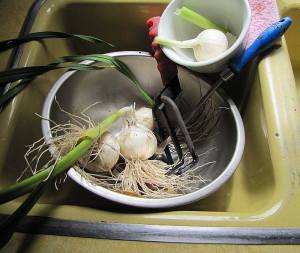
 potlucks, just Anja & Loren and one other “pod” at a time. Let us know if you’re interested!
 Next Winter Feast tentative Date is 2/15/21, Theme ??
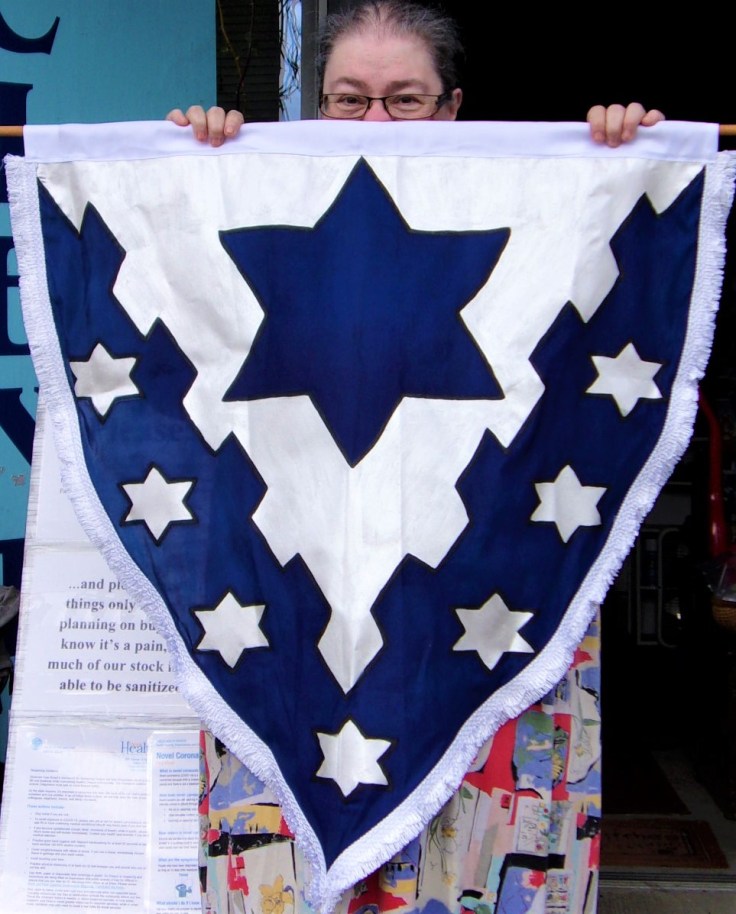

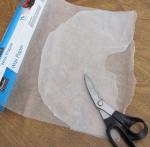
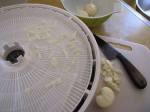
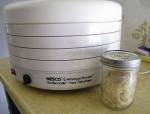




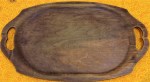


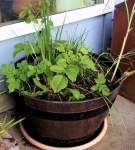

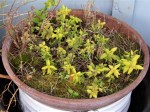

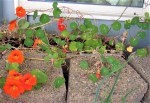
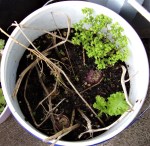
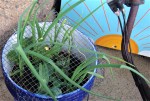


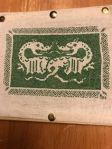

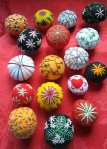



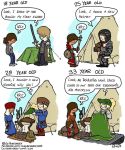







 In ministerio autem Somnium! Anja, graeca doctrina servus to House Capuchin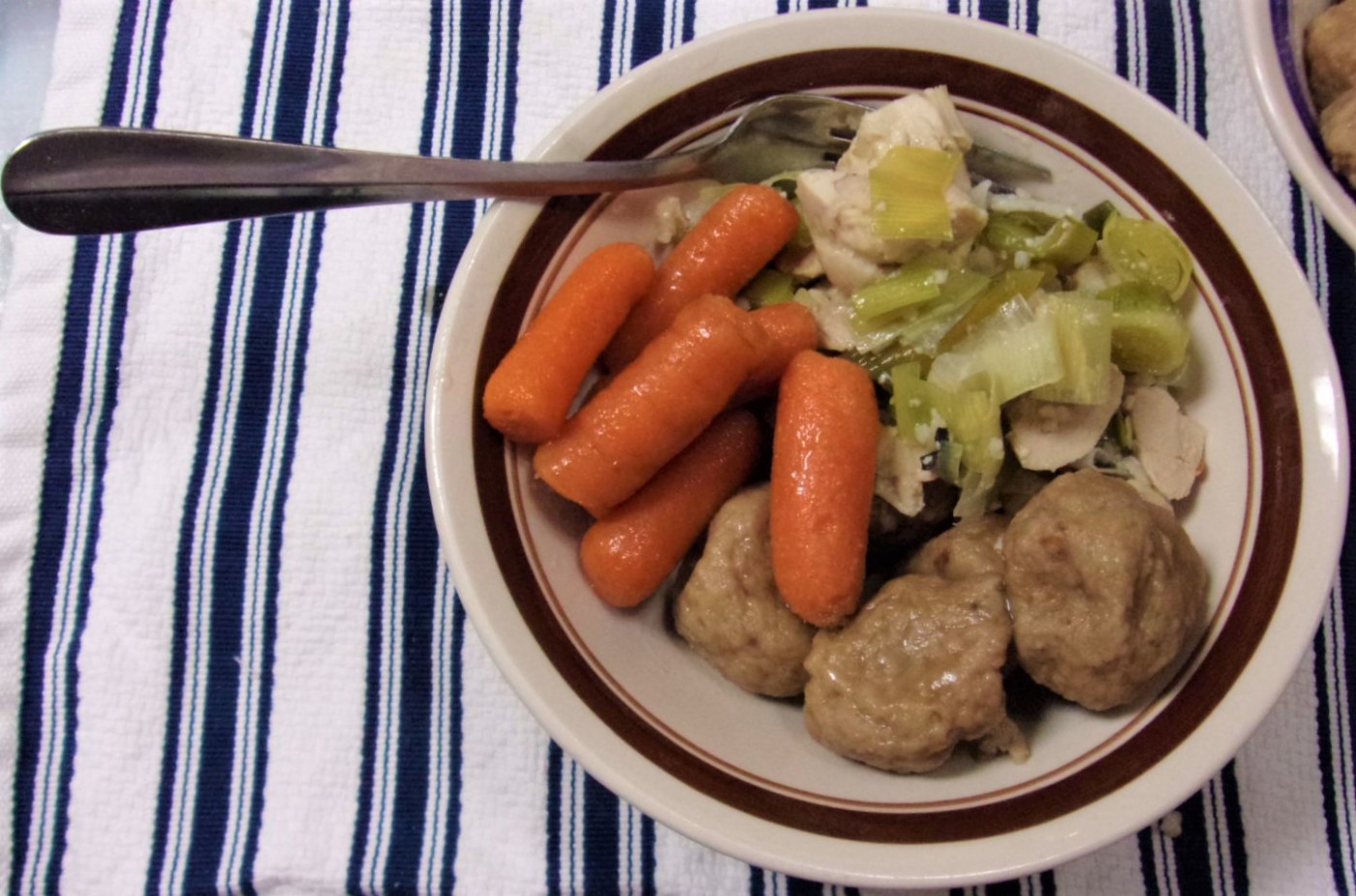
 Can your scribe plead an attack of the “lazies” last week? More like “tireds”, but…. First the recipes took longer to sort out, then the photos had to be re-done, twice. It was Wednesday when I realized, “Ain’t Hap’nin’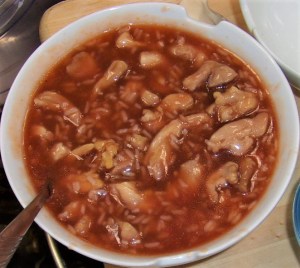
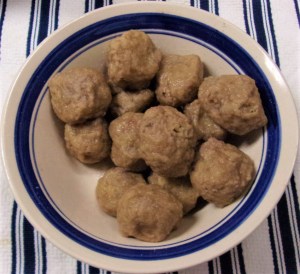






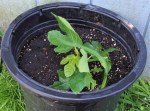
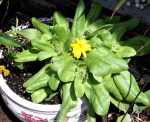

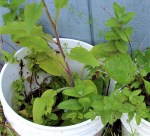
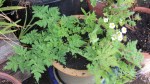

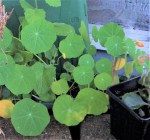
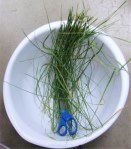


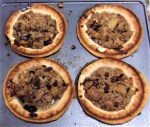


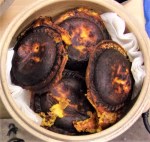
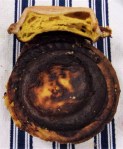







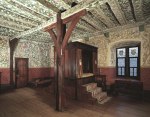


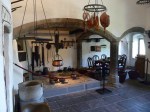



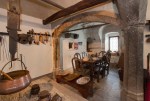










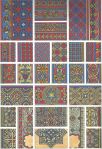








 Fewer classes, no dance vids, it’s been quiet this week for the House. Not to say that it’s been for the SCA. We’re in one of the perennial “flaps”, but that’s not what this newsletter is about.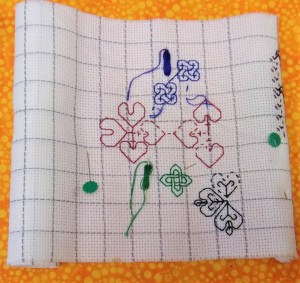
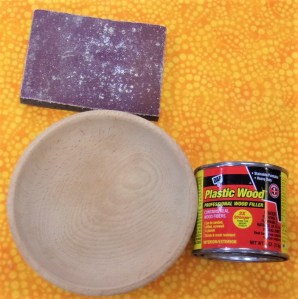


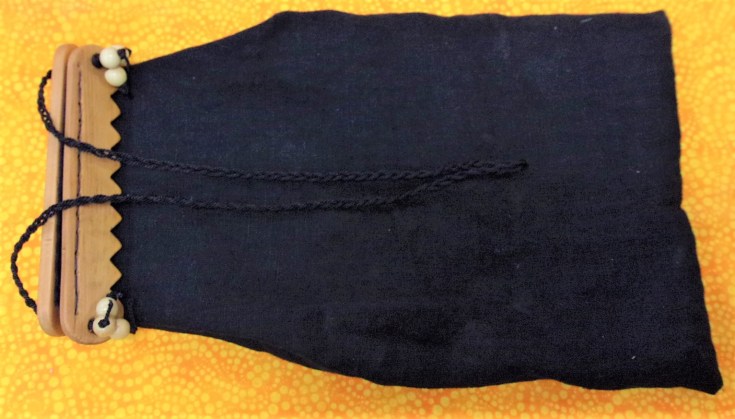


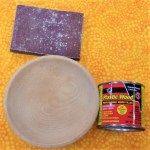

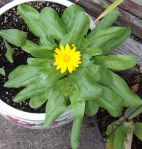

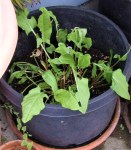







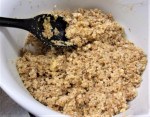
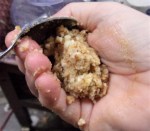
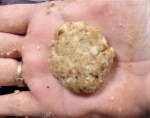
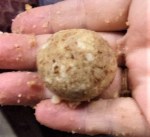


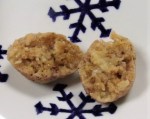



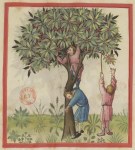
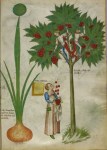
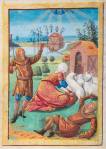
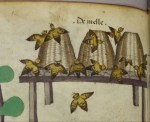









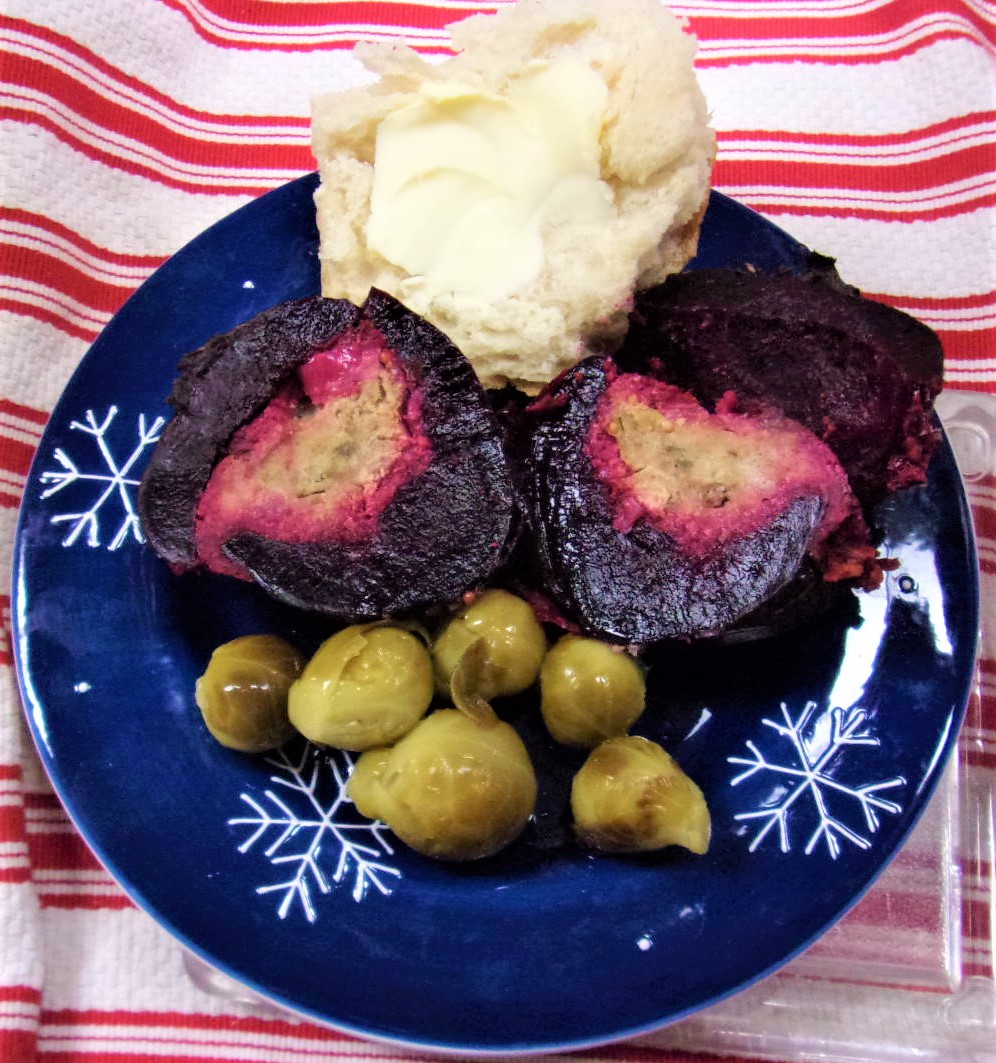
 It’s been a busy week and lots of distraction with all the protests and virus and worry. Anja and Loren have their shop open, so are pretty busy with that. Still no classes and workshops being held by the House in person. Everything is in the virtual realm.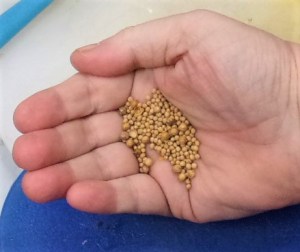


 As so many of us struggle with the pain of separation from one another socially, so too do we struggle with the realities of systemic inequality and racism in our society. In the United States and around the world, the recent senseless killings of George Floyd, Breonna Taylor, and too many before them have unleashed an avalanche of pent-up emotion.
 Instead we focused on having a mini-potluck with Louisa and her mother on Thursday. Anja put together a soup, then realized it was whey-based, so went fishing in the freezer for a pottage of some kind, since Louisa and her mother are both dairy-free. She also made apple mush and honey-ginger carrots for sides. We had the composte and a tray of nibbles to start. Louisa brought bread and some chops that she had marinated in red wine and Italian herbs and her mom brought a pound cake with strawberries in glaze, because it was Louisa’s birthday. Pix under “potluck” below.
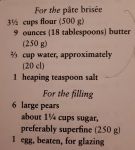
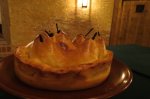

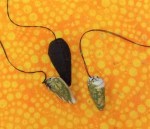


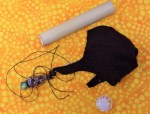
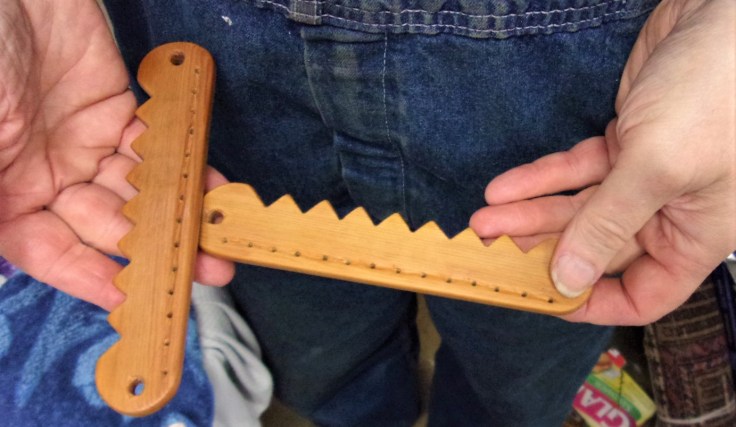





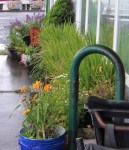

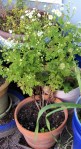

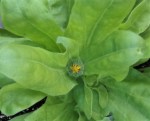


 Project Day – Loren worked on a bone needle, filed another lotus seed and sanded our big wooden nibbles tray, preparing to re-finish it. Anja was doing emery strawberries and a little rocking chair frame pincushion, plus mending a cushion and other small tasks.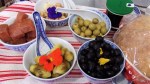
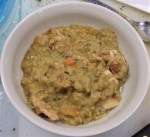



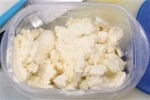

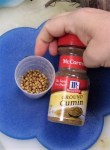

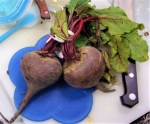
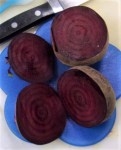
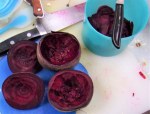
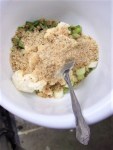


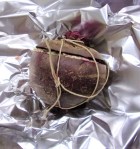

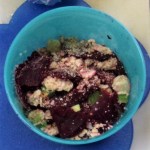
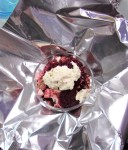


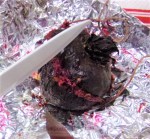















 Moar classes this week, but not as many. Anja and Loren were too busy getting their shop open again! There’s some cookery, some embroidery, some herbs and lots of other fun stuff in the post this week, including a new project that Isabeau is doing with bottle-cap pincushions.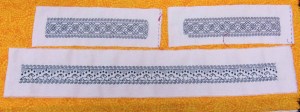
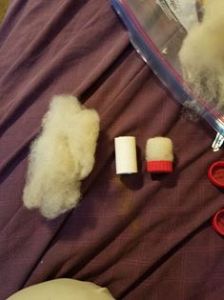


 Misc – Known Worlde Entertainment Guide –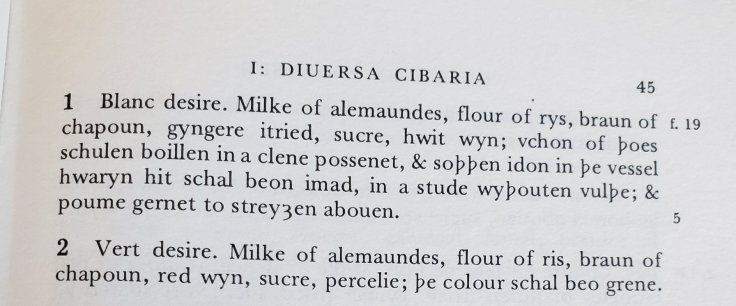



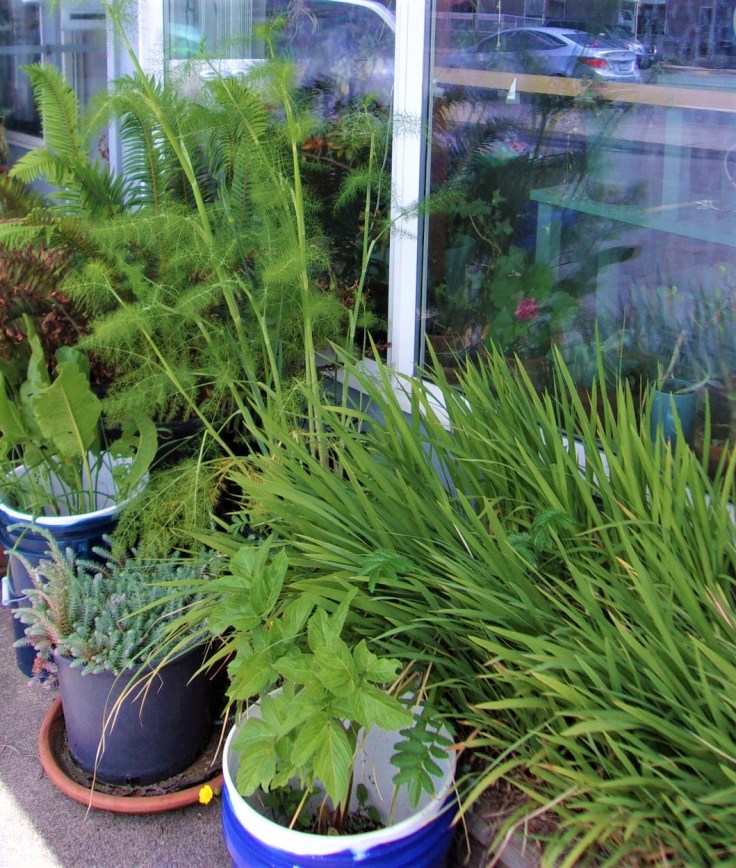
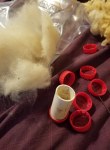


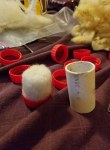
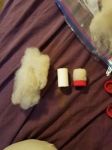
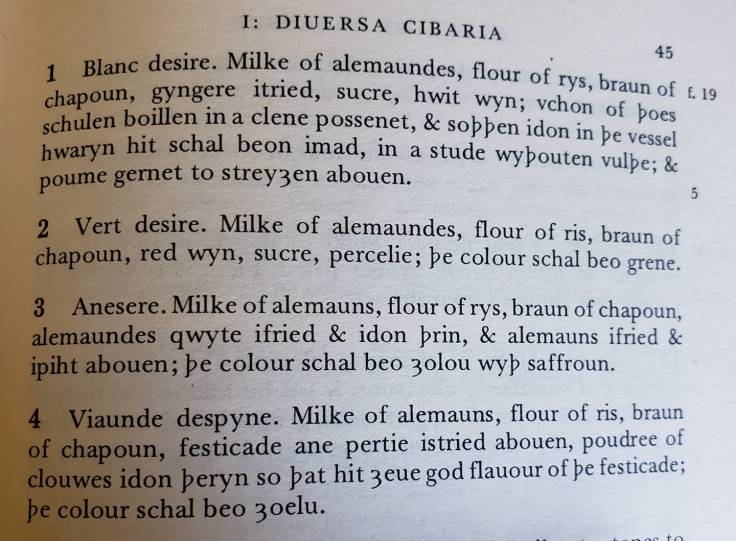

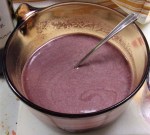
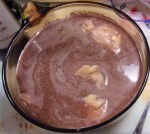

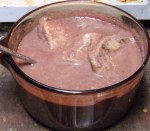
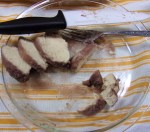

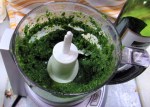


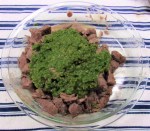
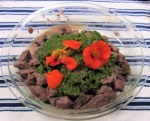
 Roman Breads Classes – Arrina Marina













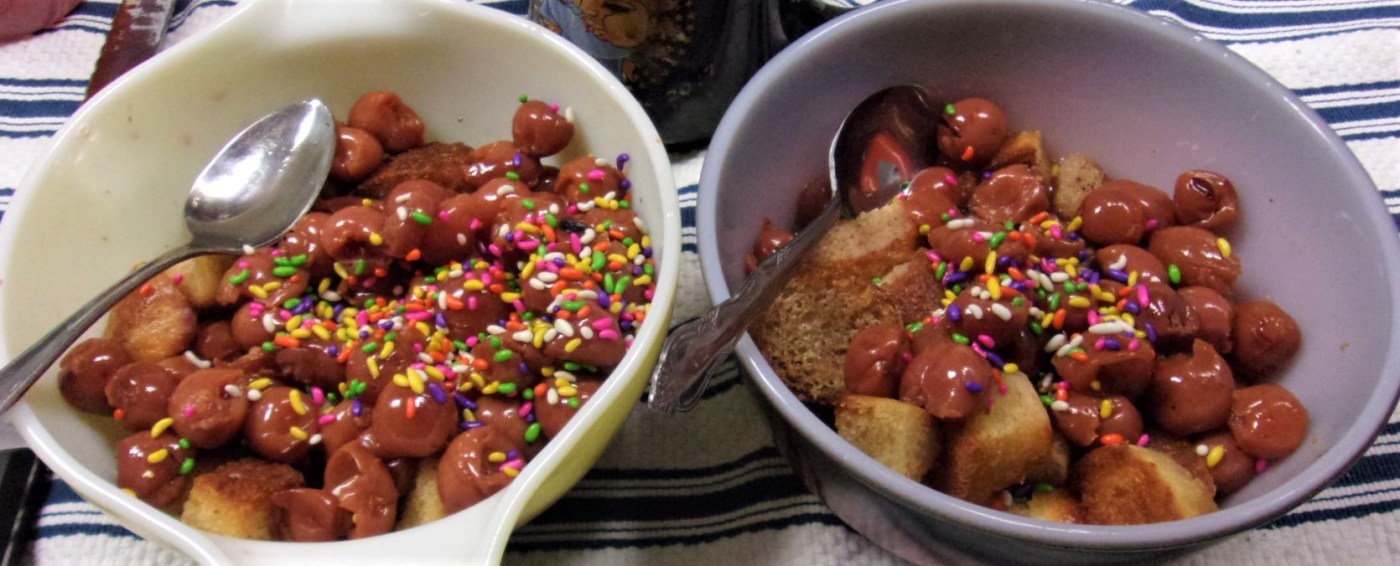



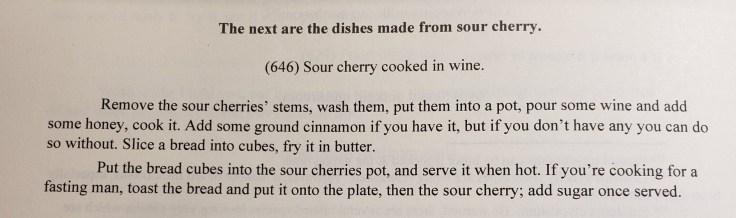




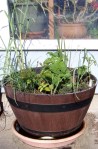



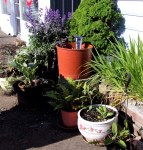
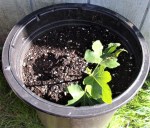

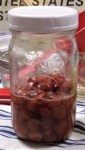


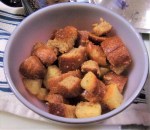



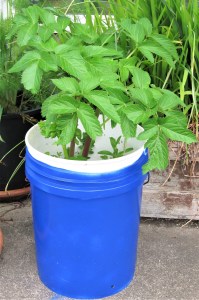
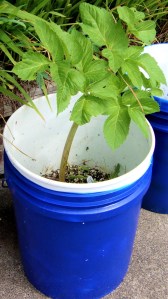
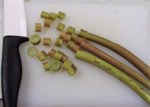
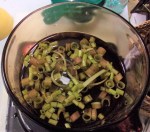

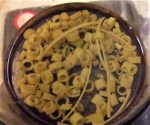
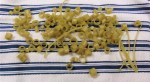

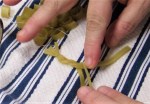
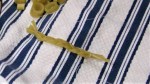


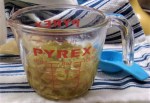



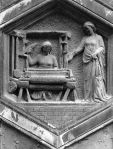










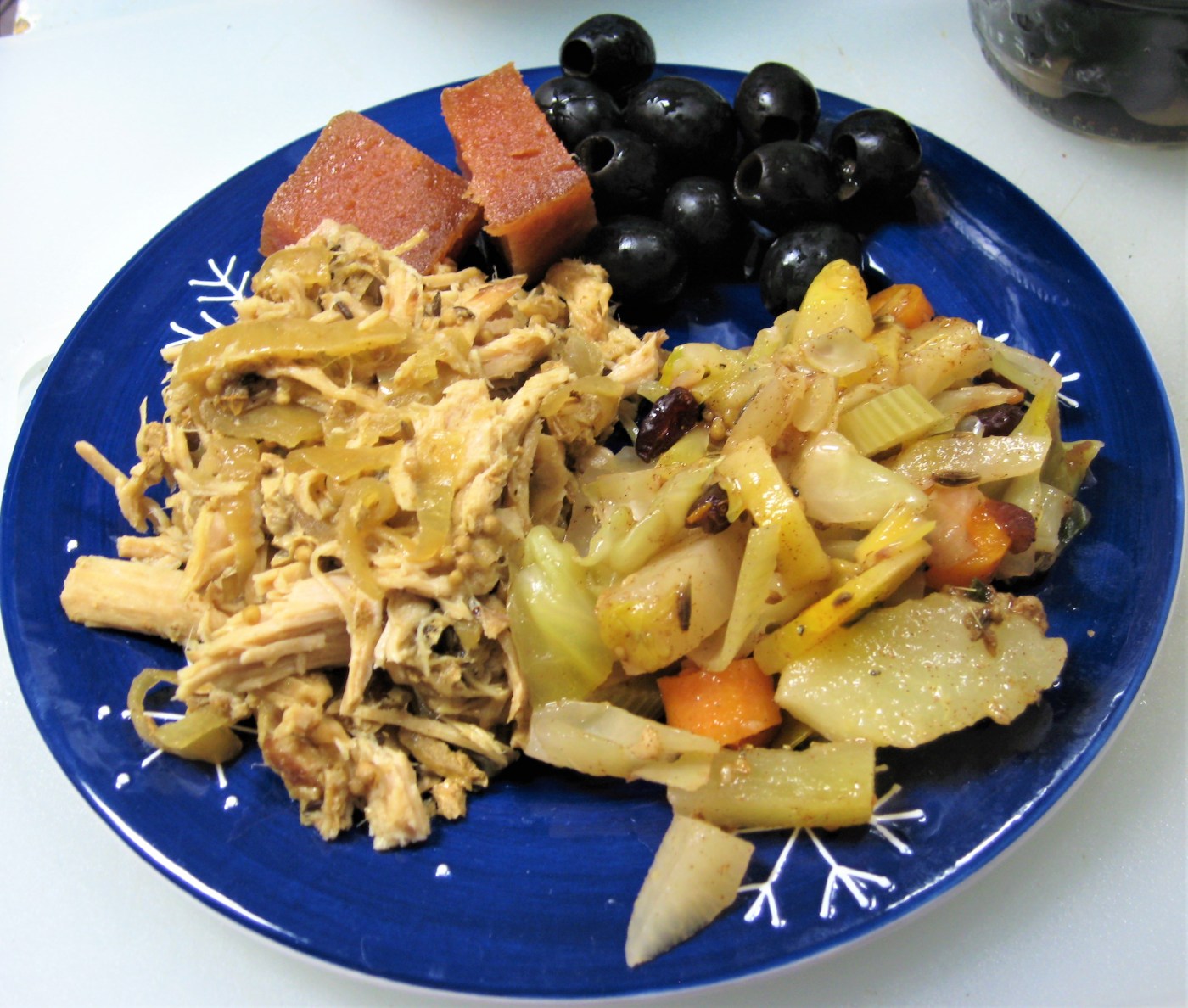
 People are getting tired, I think: tired of staying home, tired of eating their own cooking, tired of the projects they’ve been working on. With any luck as restrictions are loosening we won’t see another wave of the plague and can start getting to back to our regular lives…. We hope.
 All meetings are on hold for the moment, although Project Day and the Monthly Potluck are being held in the Virtual Realm.



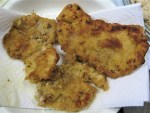
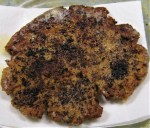


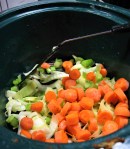


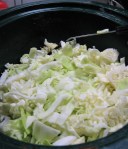


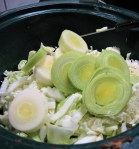

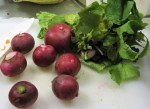


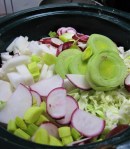
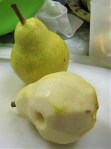
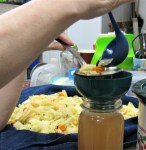
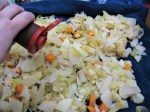

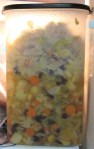
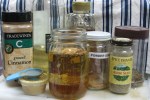
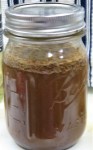


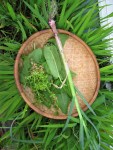


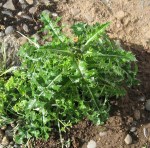
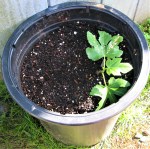
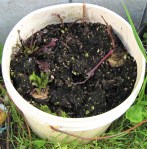
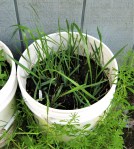

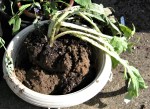
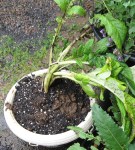
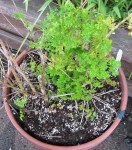



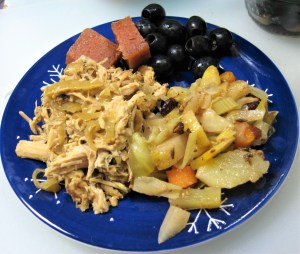

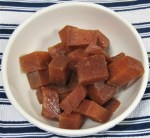

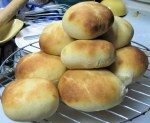


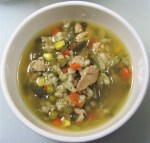
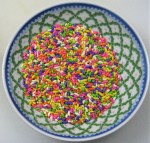




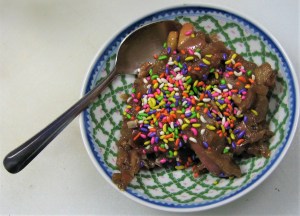

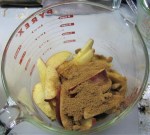
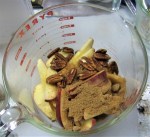
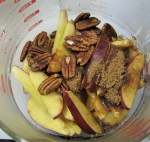
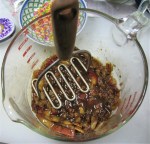

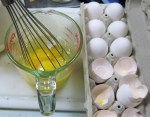
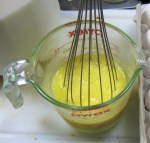


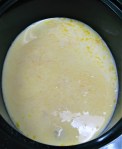
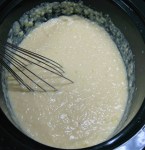


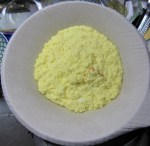


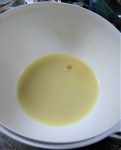
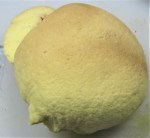
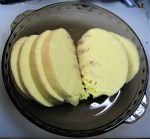

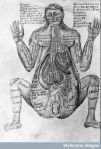

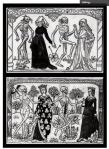










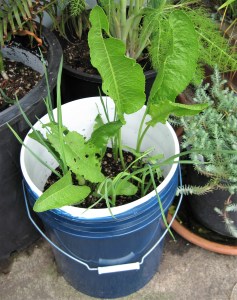
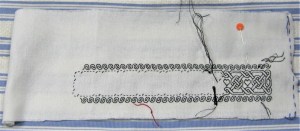


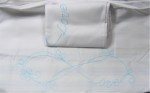
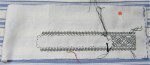
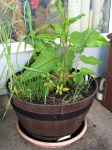
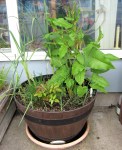

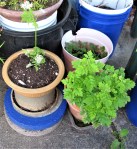
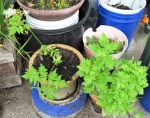
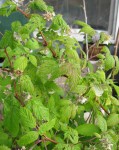
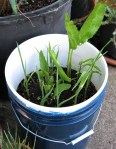


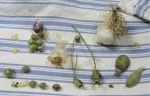
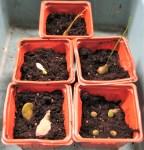


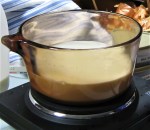

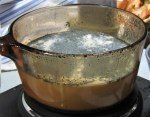
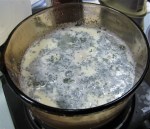

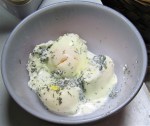

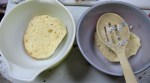
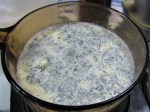

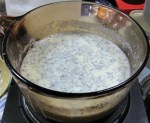
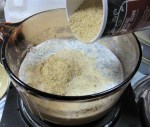
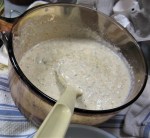
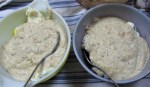
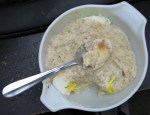
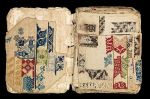
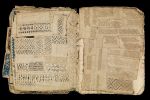
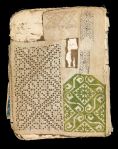











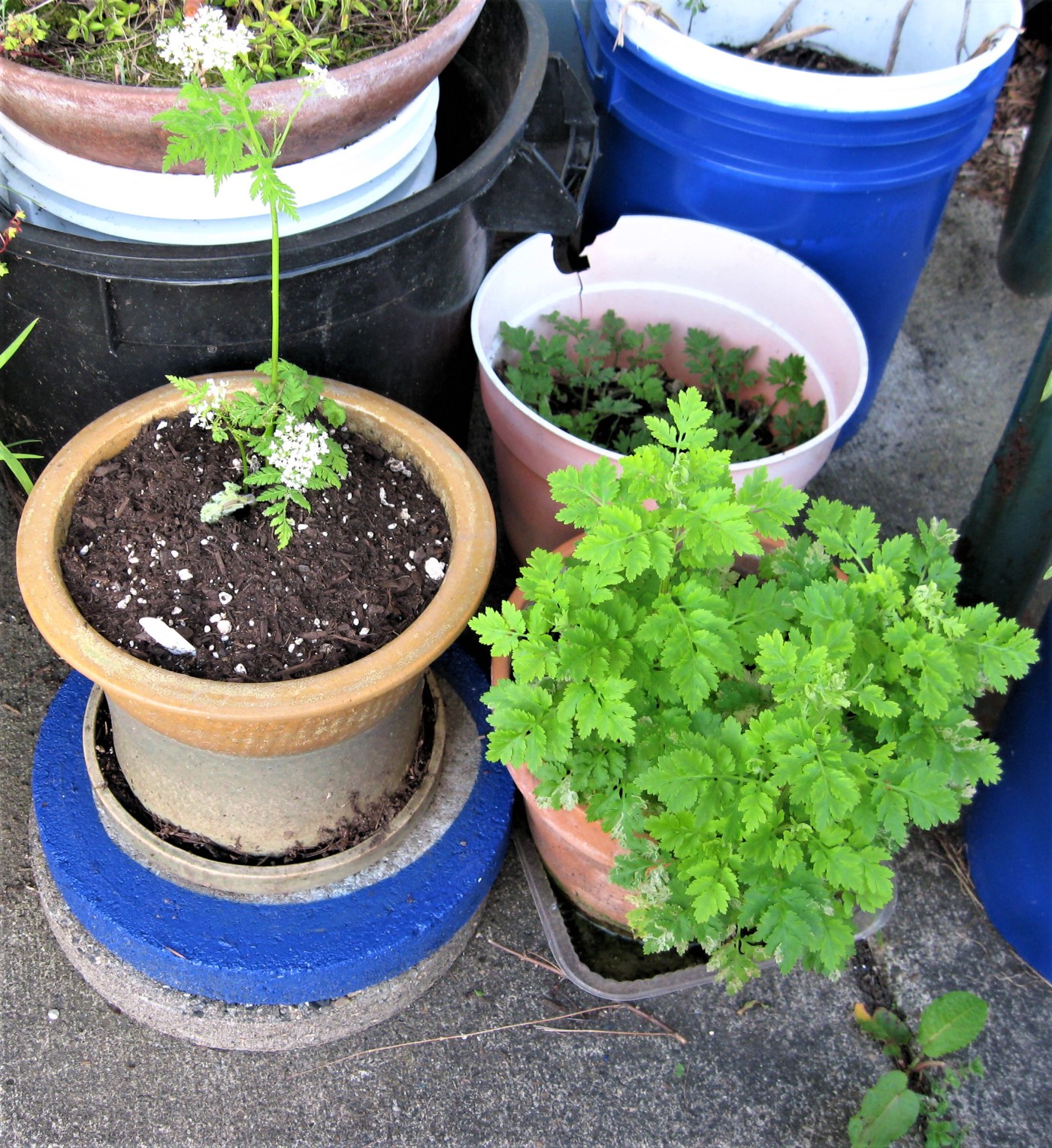






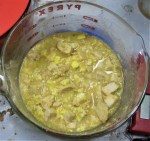
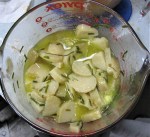


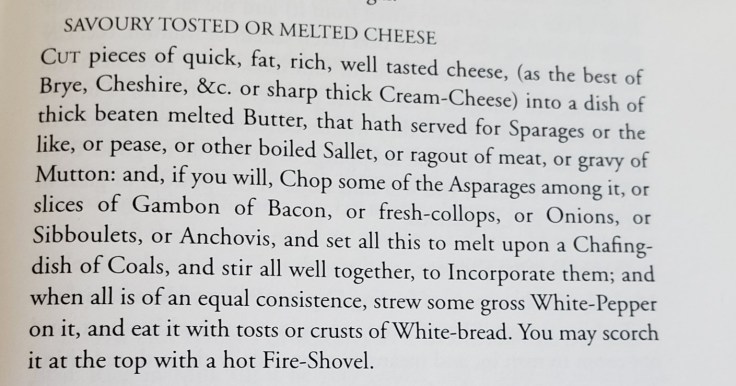






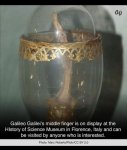







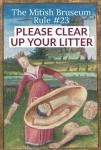

 House Capuchin 3